
Last updated November 23, 2026
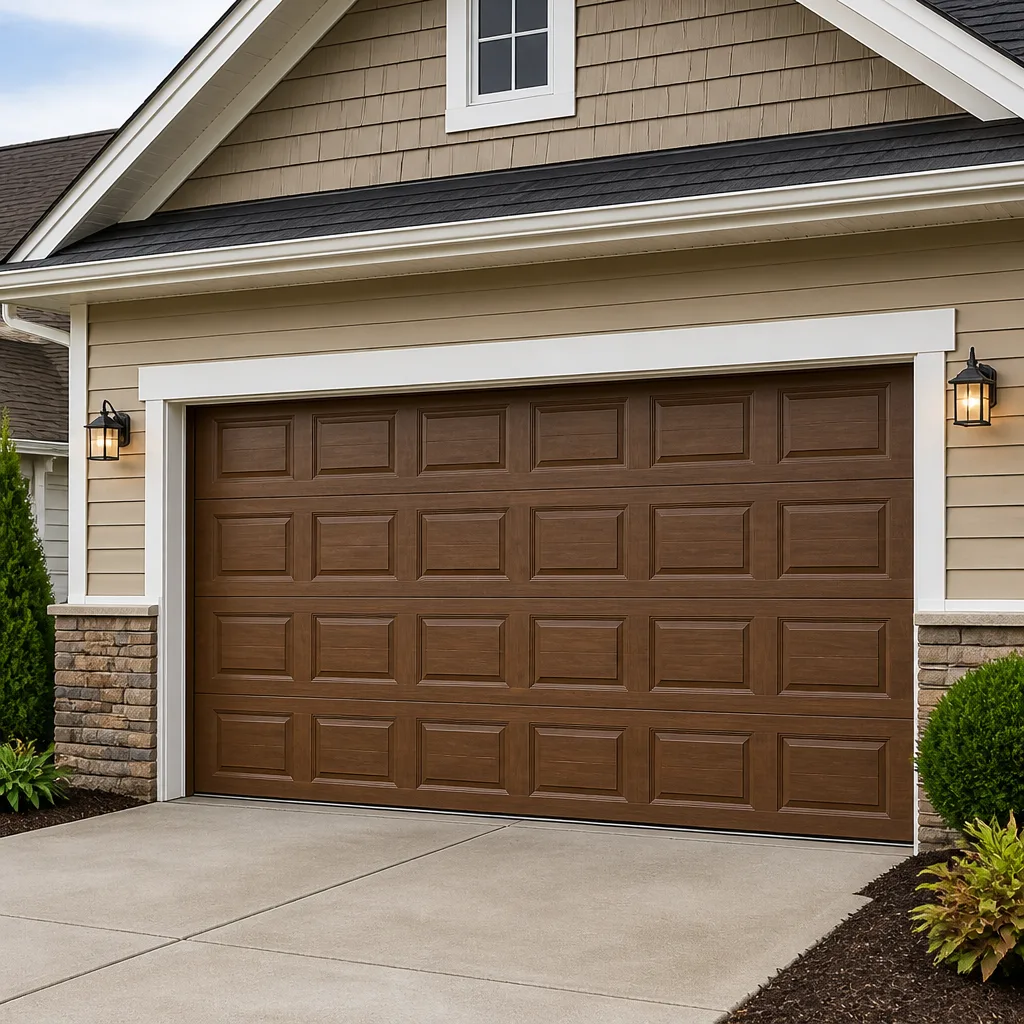 Raised-panel steel
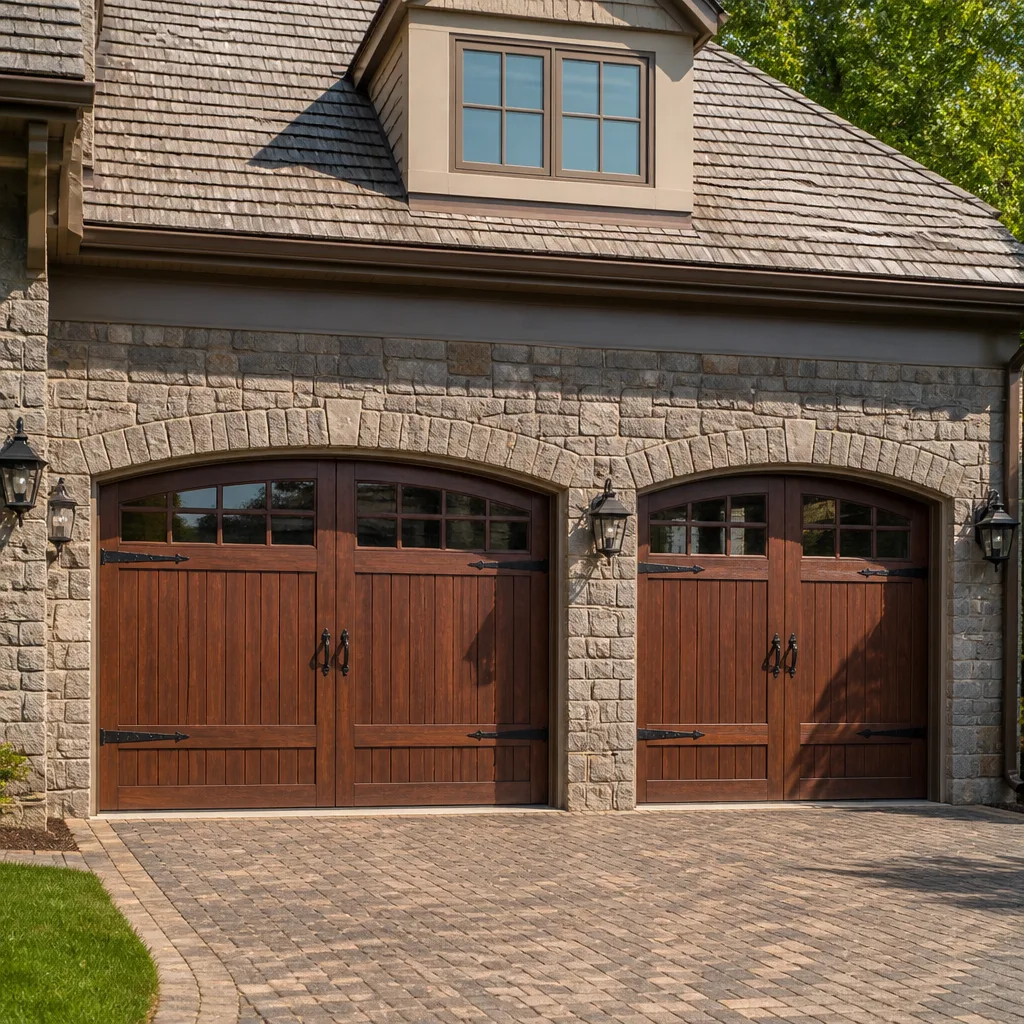 Carriage house
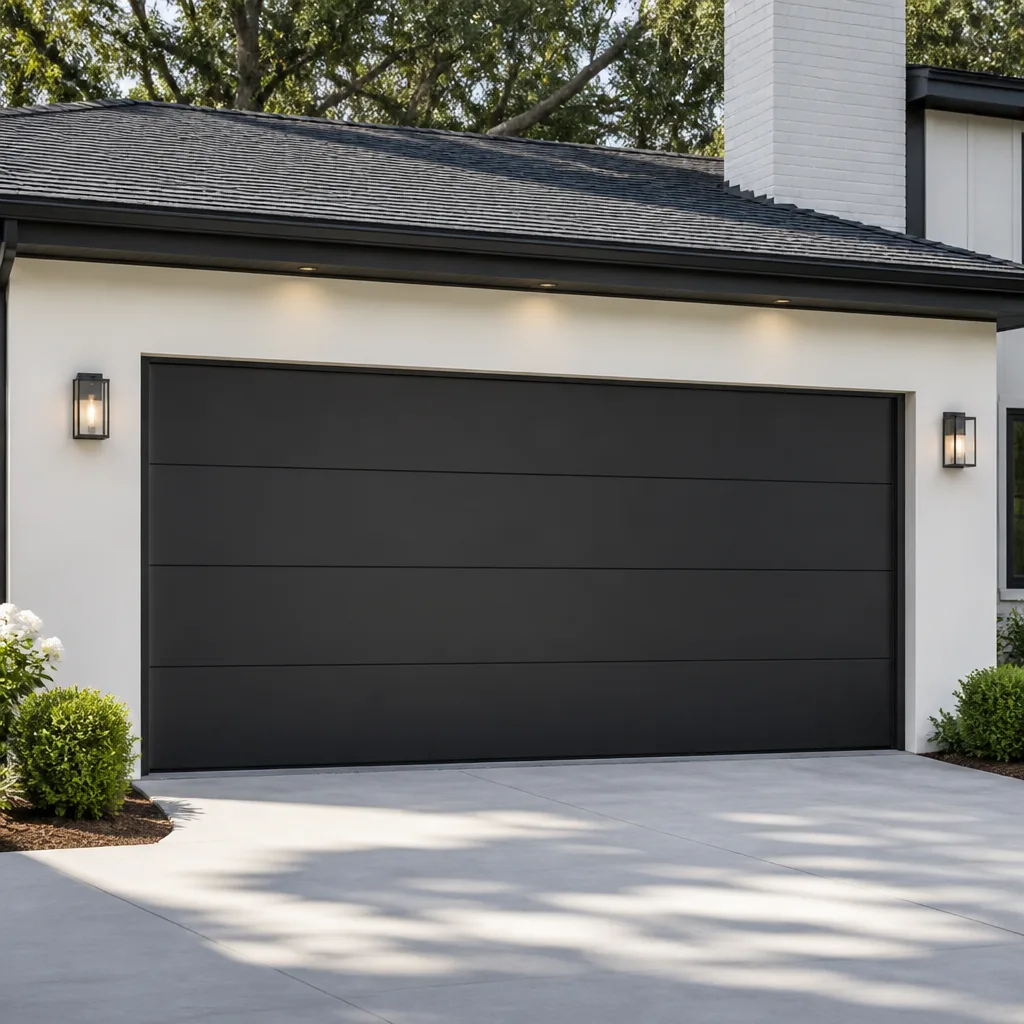 Modern flush
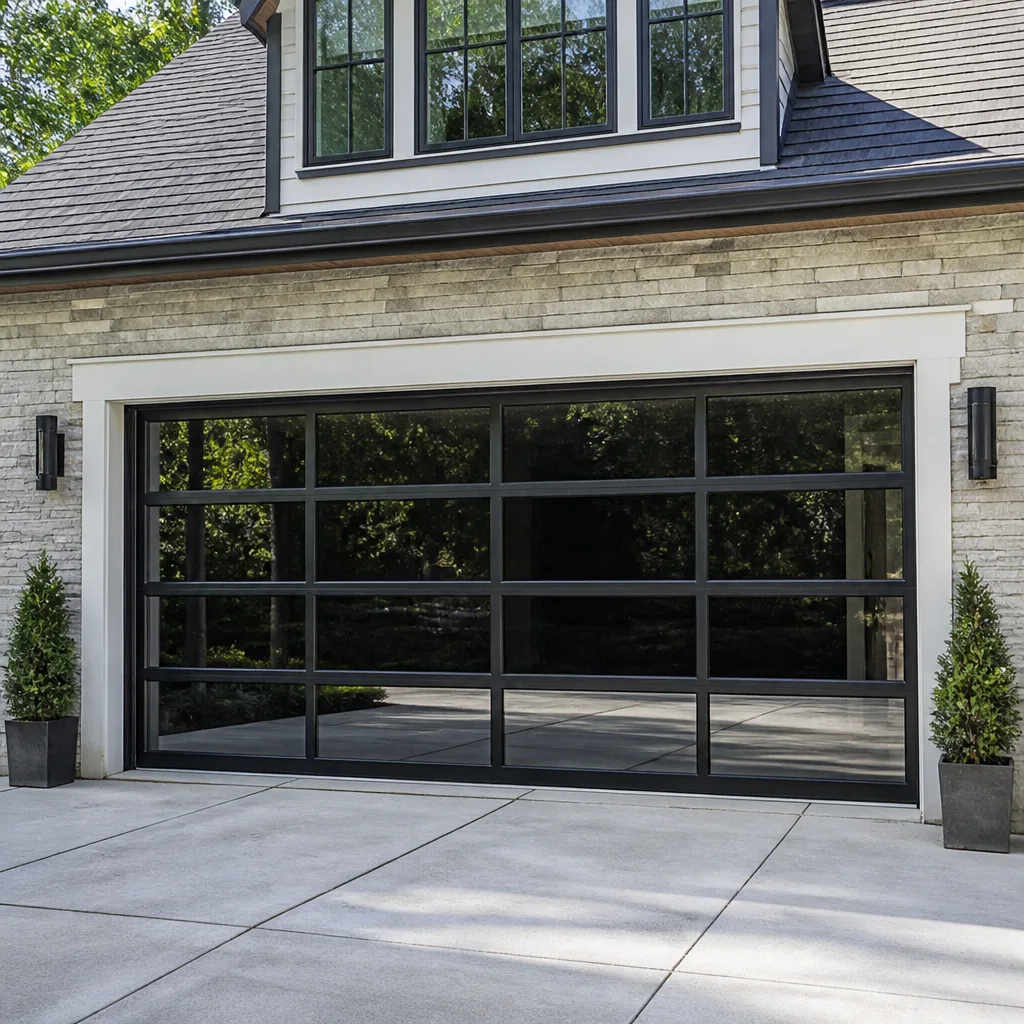 Full-view glass
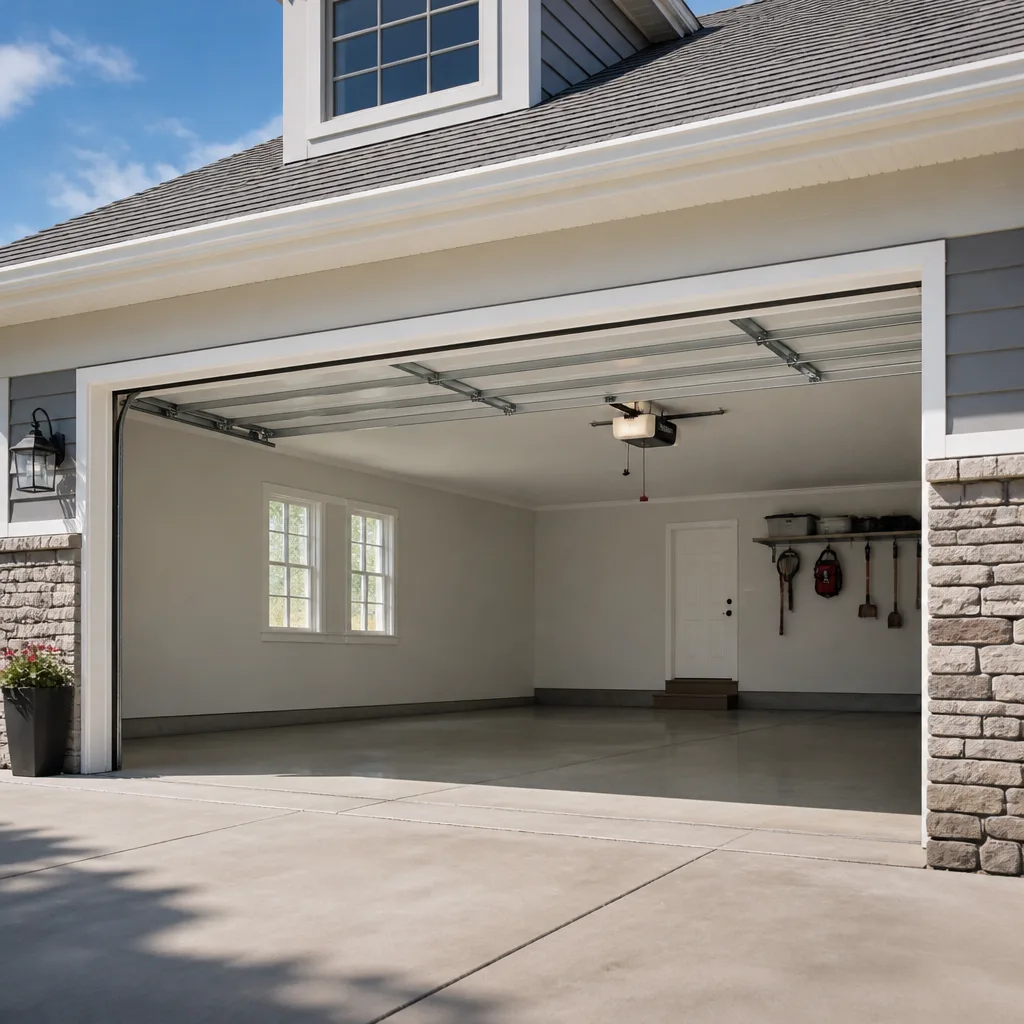 LiftMaster openers
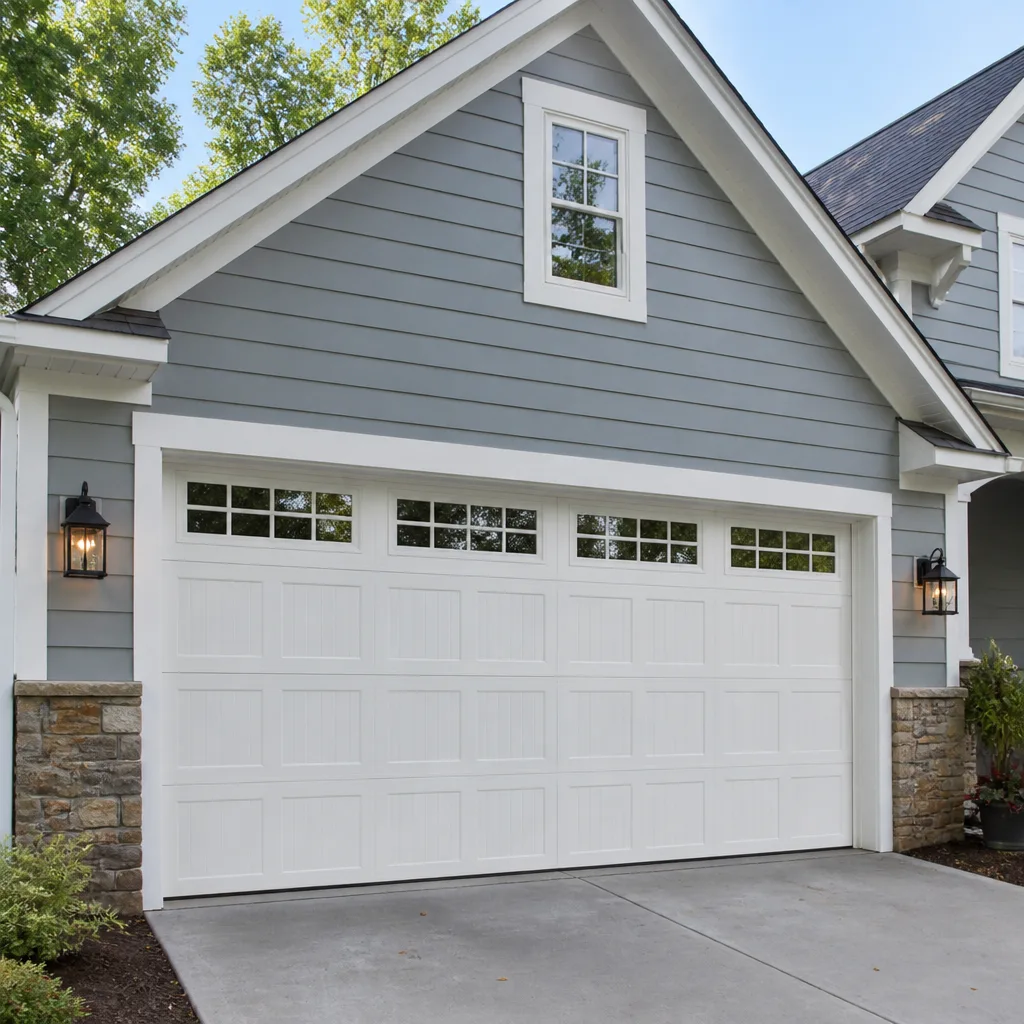 Chamberlain openers
Full 25-point door and opener safety check with every visit - springs, cables, rollers, tracks, and your LiftMaster or Chamberlain opener included
You get a price before we start. It does not change when the pro arrives.
Get your free estimateGarage Door Repair Troubleshooting in Stonecrest: Common Problems and How to Fix Them
A door that reverses before it closes and a door that won’t move at all look almost identical from the end of the driveway. One is usually a photo-eye or travel-limit problem you can sort out in a few minutes. The other often means a spring has failed and the door should not be touched until a technician gets there. Treat those two the same way, and a small fix turns into a bent panel, a burned-out opener, or worse.
This guide gives Stonecrest homeowners a diagnosis-first method: identify which of six failure categories you’re in, learn what’s safe to check yourself, and know exactly when to step back. We’ll cover the Georgia heat and humidity angle most guides skip, the blink-code system that tells you what a LiftMaster or Chamberlain opener thinks is wrong, and typical cost ranges so you can judge whether a DIY afternoon is worth it.
Styles & brands we work with
- Raised-panel steel
- Carriage house
- Modern flush
- Full-view glass
- LiftMaster openers
- Chamberlain openers
Quick Answer
Most garage door problems in Stonecrest come down to six categories: spring or cable failure, opener or drive issues, track and roller alignment, sensor and safety-reverse problems, balance and travel settings, and weather-related swelling or stiffness. You can safely check sensors, travel limits, and lubrication yourself. Anything involving spring tension, cables, or the door’s counterbalance system requires a trained technician. Typical Stonecrest-area repairs run from around $95 for a sensor or adjustment call up to $340 for a spring replacement, with the written estimate setting the final price before work starts.
Table of Contents
- The Six Failure Categories: Diagnose First, Act Second
- Symptom-to-System Map: What Your Door Is Telling You
- Why Does My Garage Door Reverse Before Closing?
- Why Won’t My Garage Door Open at All?
- What Do the Noises Mean? Grinding, Squealing, and Banging
- Reading Blink Codes on LiftMaster and Chamberlain Openers
- How Stonecrest Heat and Humidity Affect Your Door
- What Do These Repairs Cost in Stonecrest?
- Common Mistakes to Avoid
- When to Call a Professional
- Frequently Asked Questions
- The Bottom Line
The Six Failure Categories: Diagnose First, Act Second
Every garage door problem we’re called about falls into one of six buckets. Knowing which bucket you’re in before you touch anything is the single most useful thing this guide can teach you, because the safety rules are completely different for each.
- Counterbalance failure – springs, cables, drums. The door feels impossibly heavy, hangs crooked, or won’t stay up. Dangerous. Stop and call.
- Opener and drive failure – motor, logic board, gear, belt or chain. The door is fine by hand but the opener won’t run it, or runs it erratically.
- Track and roller problems – the door binds, scrapes, or comes off track. Sometimes DIY-friendly, often not.
- Safety system faults – photo-eyes, safety-reverse, edge sensors. The door reverses or refuses to close.
- Balance and travel settings – limit screws, force settings, close-travel adjustment. Usually a screwdriver job.
- Weather and material issues – swelling wood, stiff lubrication, expanded metal. Seasonal in Stonecrest, and often reversible with maintenance.
Here’s the safety line that matters most: categories 1 and 2 belong to a technician, categories 4 and 5 are usually safe for a careful homeowner, and 3 and 6 depend on what you find. We cover the boundaries for each below. If you’re ever unsure which category you’re in, that uncertainty itself is a reason to call.
Stonecrest Garage Door Repair works on doors and openers from eight brands – LiftMaster, Chamberlain, Genie, Clopay, Amarr, Wayne Dalton, Craftsman, and Raynor – so the diagnosis doesn’t depend on who made your door. Our technicians have up to 11 years of experience, which means the failure modes below are ones they’ve seen in every configuration.
Symptom-to-System Map: What Your Door Is Telling You
Start with the symptom, not the part. This table maps what you observe from the driveway to the system most likely responsible, and whether it’s a safe DIY check.
- Door reverses immediately after touching the floor → Safety-reverse / travel limit → Safe to check
- Door reverses before it reaches the floor → Photo-eye misalignment or obstruction → Safe to check
- Opener runs, door doesn’t move → Broken spring, snapped cable, or stripped opener gear → Technician
- Door won’t budge at all, opener silent → Power, logic board, or wall control → Safe to check power and remote
- Loud bang from above, then nothing → Torsion spring failure → Technician, do not operate
- Grinding or scraping as door travels → Rollers, track alignment, or lubrication → Visual check only
- Door moves slowly or strains → Spring tension loss, worn rollers, or opener force setting → Mixed
- Door hangs crooked, one side lower → Cable off drum or broken spring → Technician
- Remote works sometimes, not others → Battery, antenna, or logic board → Safe to check
- Door opens partway then stops → Travel limit or force setting → Safe to check
Print that list mentally and keep it. Nine out of ten calls we get describe one of those exact symptoms, and the symptom tells you which system to inspect first. If your symptom is “the door is crooked and hanging by one side,” skip the rest of this guide and call – that’s a cable or spring failure and running the opener on it will make things worse.
Why Does My Garage Door Reverse Before Closing?
A garage door that reverses before closing is almost always a safety-system issue, not a mechanical failure. The two most common causes are misaligned photo-eyes and a travel limit set too high, and both are things a homeowner can usually check safely.
The safety-reverse system has two parts. The photo-eyes are the small lenses mounted on each side of the door opening, about six inches off the floor. They shoot an invisible beam across the opening, and if anything breaks that beam the door reverses. The safety-reverse is a pressure sensor built into the opener that reverses the door if it meets resistance. A door that reverses mid-travel is usually seeing an obstruction it shouldn’t. A door that reverses right at the floor is usually a limit or force setting.
What to check, in order:
- Look at both photo-eye lenses. Is one knocked out of aim, dusty, or blocked by a stored item, a trash can, or a hanging broom?
- Check that the small LED on each photo-eye is lit and steady. A blinking or dark LED means the beam is broken.
- Wipe both lenses with a dry cloth. Stonecrest dust and pollen collect on them faster than most people expect.
- Check the door’s bottom edge for anything stuck to it – a pebble, a piece of weather seal, or a child’s toy.
- If the door reverses only when it’s cold or after rain, suspect a stiff seal or a swollen wood bottom section rather than the sensors.
If the sensors are clean and aligned and the door still reverses, the travel limit or force setting is the next suspect. Those live on the opener housing and are adjusted with a screwdriver – we cover them in the balance section. If adjusting doesn’t fix it, the opener’s logic board may be failing, especially on older units. That’s a diagnostic job and worth a call rather than a guess.
Cost checkpoint: A photo-eye adjustment or sensor replacement typically runs $95-$180 in Stonecrest, including the service call. If the opener itself needs a new logic board, expect $180-$320. If the problem turns out to be a bad spring masquerading as a sensor issue, you’re in spring territory – see the cost section below before you commit.
Why Won’t My Garage Door Open at All?
A door that won’t open at all splits into two very different problems: the opener isn’t running, or the opener is running but the door isn’t moving. The first is usually electrical or logic. The second is usually mechanical, and it’s the one that can hurt you.
If the opener is silent, work through the electrical side first. It’s safe and it rules out the easy stuff:
- Check the wall outlet the opener is plugged into – test it with a lamp.
- Check the breaker panel for a tripped circuit.
- Try the wall control button, not just the remote. If the wall button works and the remote doesn’t, it’s a remote, battery, or receiver issue.
- Look for a blinking LED on the opener housing – if it’s flashing, the opener is telling you something (see the blink-code section).
- Check the vacation lock or lockout switch on the wall control, if your opener has one.
If the opener runs but the door doesn’t move, stop. Disconnect the opener’s emergency release only if you can safely hold the door up – and if the door is heavy, don’t. A door that won’t lift by hand usually has a broken spring or a cable off its drum. Running the opener against a door with a failed counterbalance strips the opener’s gear and can bend the top panel. This is the point where a broken spring stops being a repair and starts being an unsafe condition.
We say this plainly because spring repair is one of the two most dangerous jobs in residential garage doors, alongside the cables it tensions. A torsion spring holds enough stored energy to injure a person badly. There is no safe DIY path through it, and every spring repair we do treats it as a specialty job, not an errand.
Cost checkpoint: A single torsion spring replacement typically runs $180-$340 in Stonecrest. A matched pair, which is usually replaced together, runs about twice that. Cable replacement typically runs $150-$260. Openers that won’t run get a diagnostic visit first, with a written estimate before any work.
What Do the Noises Mean? Grinding, Squealing, and Banging
Noise is the cheapest diagnostic your door gives you. The type of sound points almost directly at the failing part, and catching it early is the difference between a $20 roller and a $300 track repair.
- A single loud bang, then a dead door – torsion spring snapped. Stop operating the door. This is a technician call.
- Grinding, scraping metal – rollers worn flat, a track bent out of alignment, or a door rubbing its frame. Visual check only; don’t force it.
- Squealing or squeaking – dry hinges, rollers, or torsion tube bearings. Lubrication territory, and a safe homeowner job.
- Rattling or banging as the door moves – loose hinge bolts, a loose track mount, or a worn opener chain. Usually safe to inspect.
- Humming but not moving – the opener motor is trying and failing. Often a stripped gear, a broken spring, or a jammed trolley.
- Chain slapping or popping – a slack chain, which on a LiftMaster or Chamberlain is usually a simple adjustment.
What’s safe to do about noise: lubricate hinges, rollers, and the torsion tube with a garage-door lubricant, not WD-40, which attracts dust and dries out. Tighten visible loose bolts on the hinges and track brackets. What’s not safe: anything that requires reaching into the torsion tube itself, tightening a spring, or adjusting a cable drum. Those are the components under load, and they’re the reason garage door repair is a trade and not a weekend project.
Cost checkpoint: Roller replacement typically runs $110-$200 for a full set. A lubrication and tune-up call runs $85-$150. A bent track section is usually $130-$220 to straighten or replace. If you catch the noise early, you’re in the low end of those ranges.
Reading Blink Codes on LiftMaster and Chamberlain Openers
LiftMaster and Chamberlain openers – and their shared-building cousins – use a diagnostic LED on the motor housing that flashes a pattern when something is wrong. Counting the blinks and the pauses tells you what the opener thinks the fault is, before you’ve picked up the phone.
Here’s how to read it, in steps:
- Stand where you can see the LED on the back or side of the motor housing.
- Press the wall control or remote to start a cycle.
- Count the flashes in each group. A pause separates one group from the next. So “flash flash flash – pause – flash flash” means 3 blinks, then 2.
- Look up that number in the owner’s manual chart, or note it for your technician.
- Record the pattern on your phone before calling. It saves a diagnostic round-trip.
Common patterns and what they usually mean:
- 1-2 blinks – often a sensor or obstruction issue. Check the photo-eyes first.
- 3 blinks – typically a travel or limit problem. The opener thinks the door should have stopped somewhere.
- 4 blinks – usually a force or resistance problem, often a door that’s binding or a worn spring.
- 5 blinks – often a logic or control issue. This one usually means the board is unhappy.
- 6 blinks – typically a motor or wiring fault. Stop cycling the door.
Blink codes aren’t a replacement for a real diagnosis, but they’re a signal that narrows the field. On Genie and Craftsman openers, the diagnostic LED behaves differently, and older units may not have one at all. If you’re not sure what you’re reading, the code is still useful to report when you call, and it’s one of the reasons we work across all four major opener brands rather than only one.
Cost checkpoint: A blink-code diagnostic visit typically runs $95-$140 in Stonecrest. If the repair is a board or sensor, add $80-$200 depending on the part. The written estimate always comes before the work.
How Stonecrest Heat and Humidity Affect Your Door
Garage door failures in Stonecrest have a seasonal signature. The same door that ran smoothly all spring starts binding in late summer and reverses in January, and the reason is almost always heat, humidity, and the way they interact with the materials in the door.
Three effects matter here:
Wood door swelling. Stonecrest’s summer humidity is high enough that wood sections absorb moisture and swell. A wood door that fits perfectly in April can rub its frame by August. The bottom section is the usual culprit because it sits closest to the ground and takes the most moisture. Swelling shows up as scraping, a door that won’t fully close, or a bottom seal that drags. The fix is often a weather-seal replacement and a track adjustment, not a new door. If you’re planning a replacement anyway, a steel or aluminum door from Clopay or Amarr sidesteps the problem entirely.
Metal track expansion. Steel and aluminum tracks expand in the heat. A track that was straight in March can develop a slight bow by July, and that bow is enough to make the rollers bind on the way up. Track bind often looks like a slow or straining opener when it’s really the track. A visual check for a bowed track is safe. Straightening it is a technician job because the track carries the door’s alignment, and a bad adjustment makes the door worse.
Lubrication viscosity. Cold snaps in January thicken grease in the rollers and hinges, which makes a door that’s lubricated with the wrong product feel stiff and slow. The opener compensates by pulling harder, which trips force settings and produces the reverse that looks like a sensor fault. A garage-door-specific lubricant designed for a range of temperatures handles this better than general-purpose grease. This is the one recurring maintenance item we’d ask every Stonecrest homeowner to keep up with.
One more note: Stonecrest gets storm systems that bring wind and blowing debris. A door that reverses after a storm is more likely to have a photo-eye knocked out of aim than a mechanical failure. Check the eyes before assuming the worst.
What Do These Repairs Cost in Stonecrest?
Repair costs in the Stonecrest area follow a fairly narrow set of ranges depending on the part and the job. The table below shows typical estimates, not exact prices – the written estimate for your door is the number that counts.
- Photo-eye sensor repair or replacement – $95-$180
- Travel limit or force setting adjustment – $85-$140
- Roller replacement (full set) – $110-$200
- Track straightening or section replacement – $130-$260
- Cable replacement – $150-$260
- Single torsion spring replacement – $180-$340
- Matched pair of springs – about twice the single-spring range
- Logic board or receiver replacement – $180-$320
- Opener gear replacement – $150-$280
- Full opener replacement – $380-$750 depending on the unit
- Lubrication and tune-up visit – $85-$150
Two things are worth spelling out. First, a spring price is for one spring. Most doors carry two matched springs, and replacing one without the other usually means coming back shortly when the second fails – so a pair costs about twice the single-spring range. Second, the price is quoted and agreed before any work starts. No surprises on the invoice, no line items that appeared after the fact.
If you’re weighing DIY time against a call, this is the rule we’d use: if the job is on a setting, a sensor, or a lubrication point, and you’ve got an afternoon, go ahead. If the job involves a spring, a cable, the counterbalance system, or a logic board, the DIY time investment isn’t worth the risk or the wrong-part return trips. We’ll give you a free estimate on the phone and a written price on-site.
Common Mistakes to Avoid
- Running the opener on a door with a broken spring. The opener isn’t designed to lift the door’s full weight, and it will strip its gear or burn out the motor trying. Stop operating the door and call.
- Adjusting spring tension yourself. A torsion spring holds enough stored energy to cause serious injury. There is no safe amount of DIY here, no matter how many videos you’ve watched.
- Using WD-40 on the rollers and hinges. It attracts Stonecrest’s summer dust, turns gummy, and leaves the door stiffer than before. Use a garage-door-specific lubricant.
- Forcing a door that’s off its track. A door that’s hanging crooked has a cable off its drum. Pushing it back into place can drop it. Leave it and call.
- Ignoring a single seasonal adjustment. A door that needs a limit tweak every summer and every winter is usually a swelling or track-expansion problem that a proper tune-up solves once.
- Assuming the blink code means what a random forum said. Blink patterns vary by brand and model. Check the manual for your opener, or read it as a hint rather than a diagnosis.
- Replacing a door when the opener is the problem. We’ve seen homeowners price a new door to fix a reversed close that was really a $95 sensor adjustment. Diagnose the system first.
When to Call a Professional
Call a technician if any of these are true: the door is crooked, hanging, or won’t lift by hand; you’ve heard a bang and the door is now dead; the door won’t move at all and you’re not sure why; the opener runs but the door doesn’t; the door reverses and you’ve already cleaned and aligned the sensors; the tracks are visibly bent; or a spring, cable, or drum is involved at all. Those are the cases where a same-day call beats any amount of time on a ladder.
Stonecrest Garage Door Repair offers free estimates in Stonecrest. Emergency garage door service is a core part of what we do, not an upsell, and we work on the door and drive systems you actually own. Call (877) 792-7296. We answer 24/7. Fast dispatch from 7am to 7pm, Sunday through Friday. If your door fails on a Saturday, call and we’ll book you into the next opening on Sunday.
Frequently Asked Questions
A diagnostic visit typically runs $95-$140 in Stonecrest, and simple fixes like a sensor adjustment or travel limit tweak fall in that same range. Bigger repairs like springs, cables, or a logic board are quoted separately, with the written estimate setting the final price before any work starts. Call (877) 792-7296 for an exact quote – estimates are free.
Same-day service is available for most repair calls in Stonecrest, and emergency garage door service is something we offer directly rather than refer out. Call (877) 792-7296. We answer 24/7. Fast dispatch from 7am to 7pm, Sunday through Friday. A call outside dispatch hours is booked into the next opening, Sunday through Friday, 7am to 7pm.
No. The price is quoted and agreed before any work starts, so the written estimate is what you pay. If we open the door up and find something the diagnostic didn’t show, we’ll explain it and re-quote before touching anything. That’s the whole point of the estimate – you decide with the number in hand. Call (877) 792-7296 for a free estimate.
The local professional connected to your job is licensed and insured as Georgia requires, and our technicians have up to 11 years of experience across the eight brands we support. Spring repair is treated as the specialist job it is, not a general handyman call. Call (877) 792-7296 to book a free estimate.
Usually yes – photo-eye alignment and travel-limit adjustments are safe homeowner checks, and most reversed closes are one or the other. If you’ve cleaned and aimed the sensors and checked the travel limits and the door still reverses, the opener’s force setting or logic board is the next suspect, and that’s worth a call. Call (877) 792-7296 for a free estimate if you’d rather not guess.
We work on LiftMaster, Chamberlain, Genie, Clopay, Amarr, Wayne Dalton, Craftsman, and Raynor doors and openers – the eight brands most commonly installed in Stonecrest homes. That includes smart openers like LiftMaster’s myQ line and older chain-drive units. If your brand isn’t on that list, tell us on the call and we’ll let you know honestly. Call (877) 792-7296.
The Bottom Line
Garage door trouble is almost always one of six failure categories, and the symptom tells you which one. A reversing door is usually a sensor or travel-limit fix you can handle. A door that won’t move at all is usually a broken spring, and that’s a stop-and-call. The line between safe DIY and dangerous guesswork runs through the counterbalance system: springs, cables, and drums are technician territory, full stop. Check the settings, clean the eyes, keep the rollers lubricated with the right product, and take stonecrest’s seasonal swelling and expansion seriously. When you’re in doubt, a free estimate costs nothing. Call (877) 792-7296 for a free estimate. If your door has failed and you’d rather have a technician look at it today, you can also schedule garage door repair with us, or read more about garage door spring repair if your symptom is a broken spring.
For the wider service picture, our garage door opener repair page covers the diagnostic side in more depth, and Stonecrest Garage Door Repair is the place to start if you’re new to us.
Written by the team at Stonecrest Garage Door Repair.
See the difference
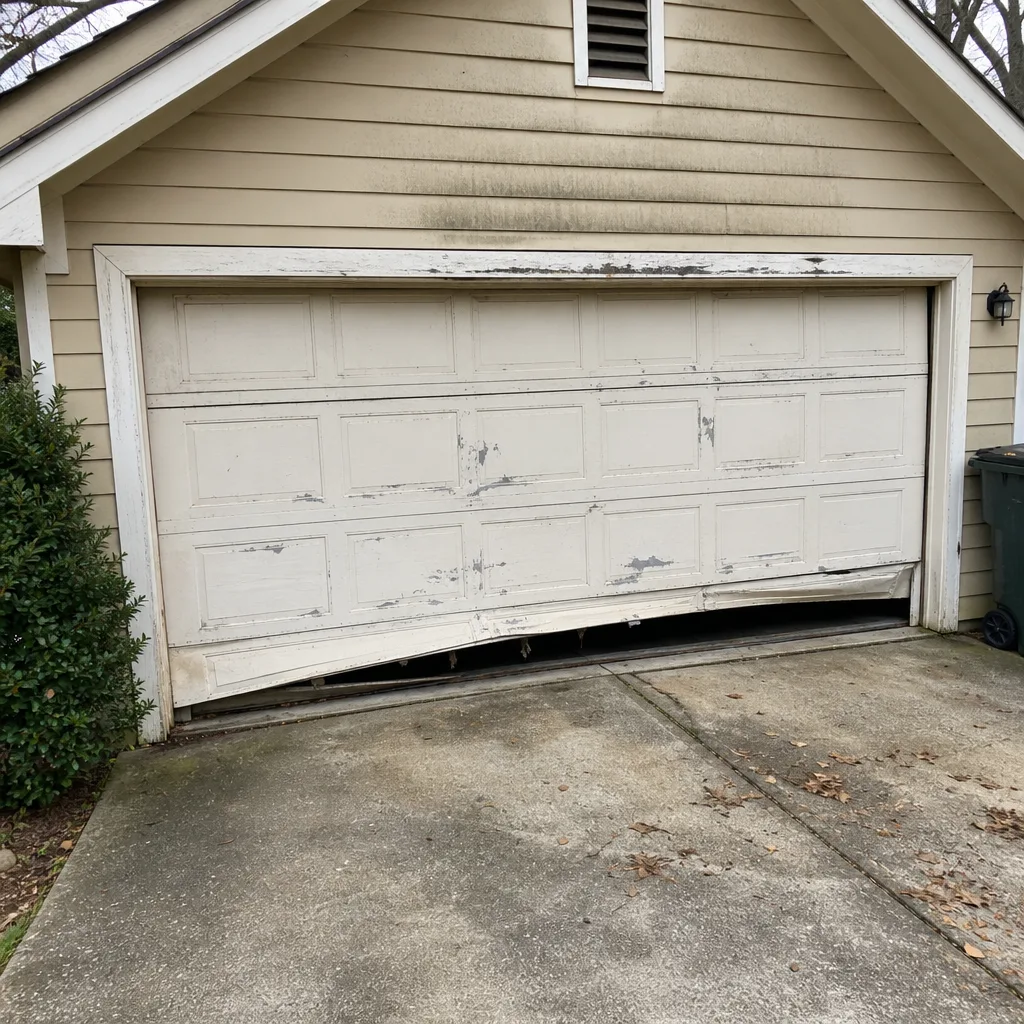 Before
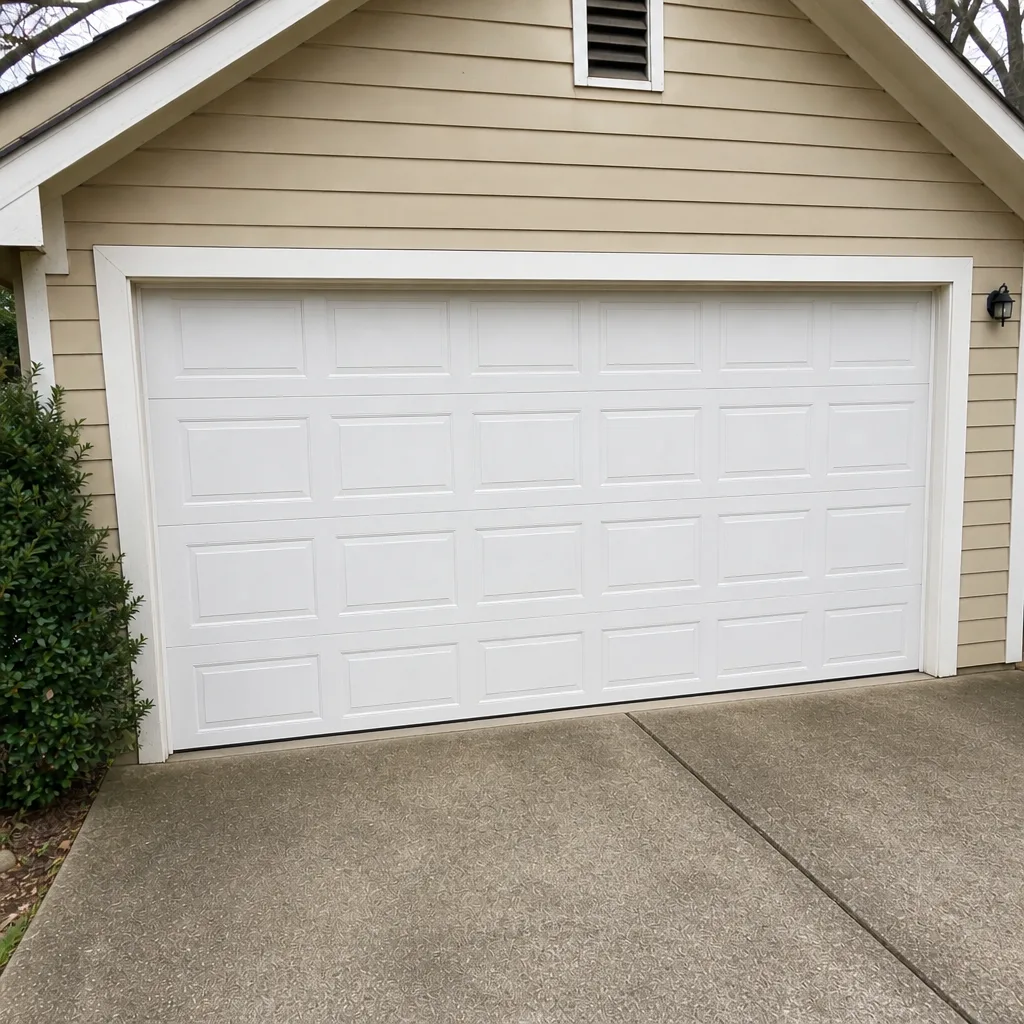 After
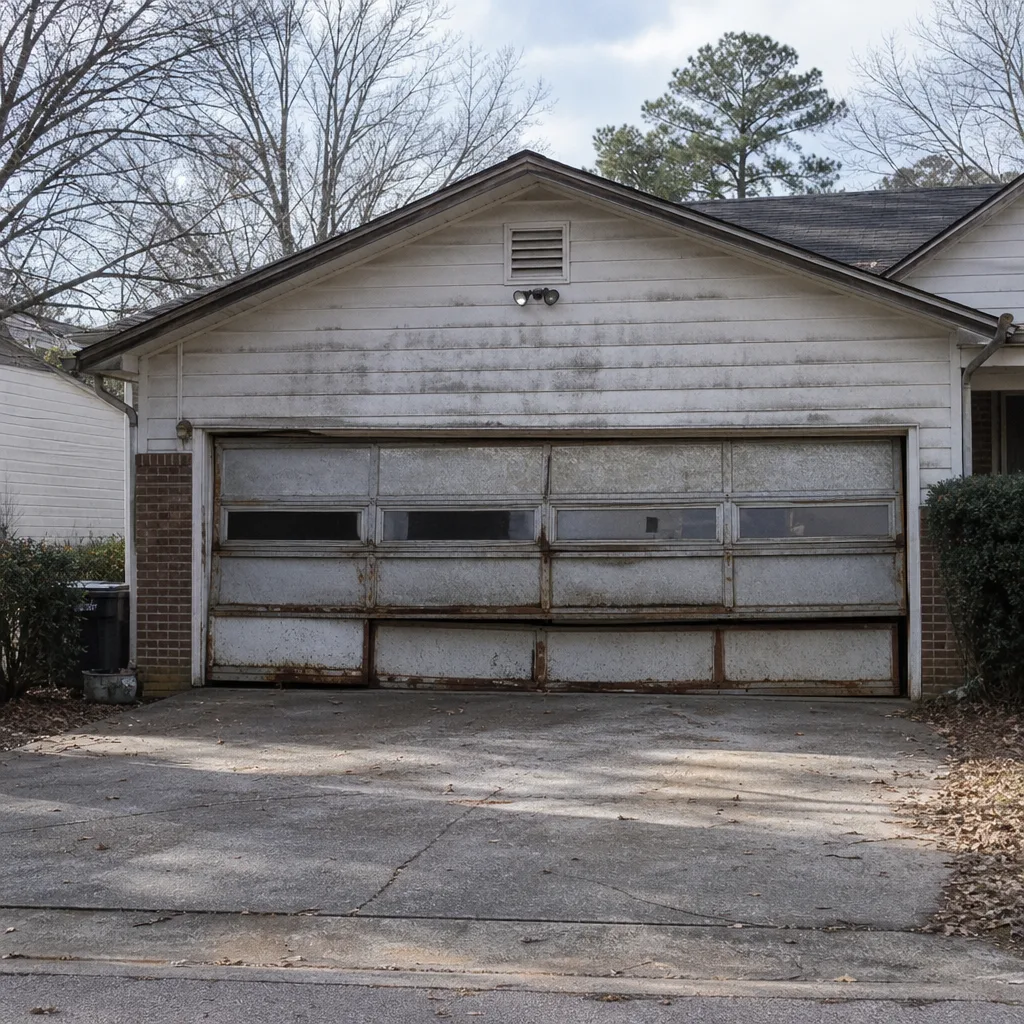 Before
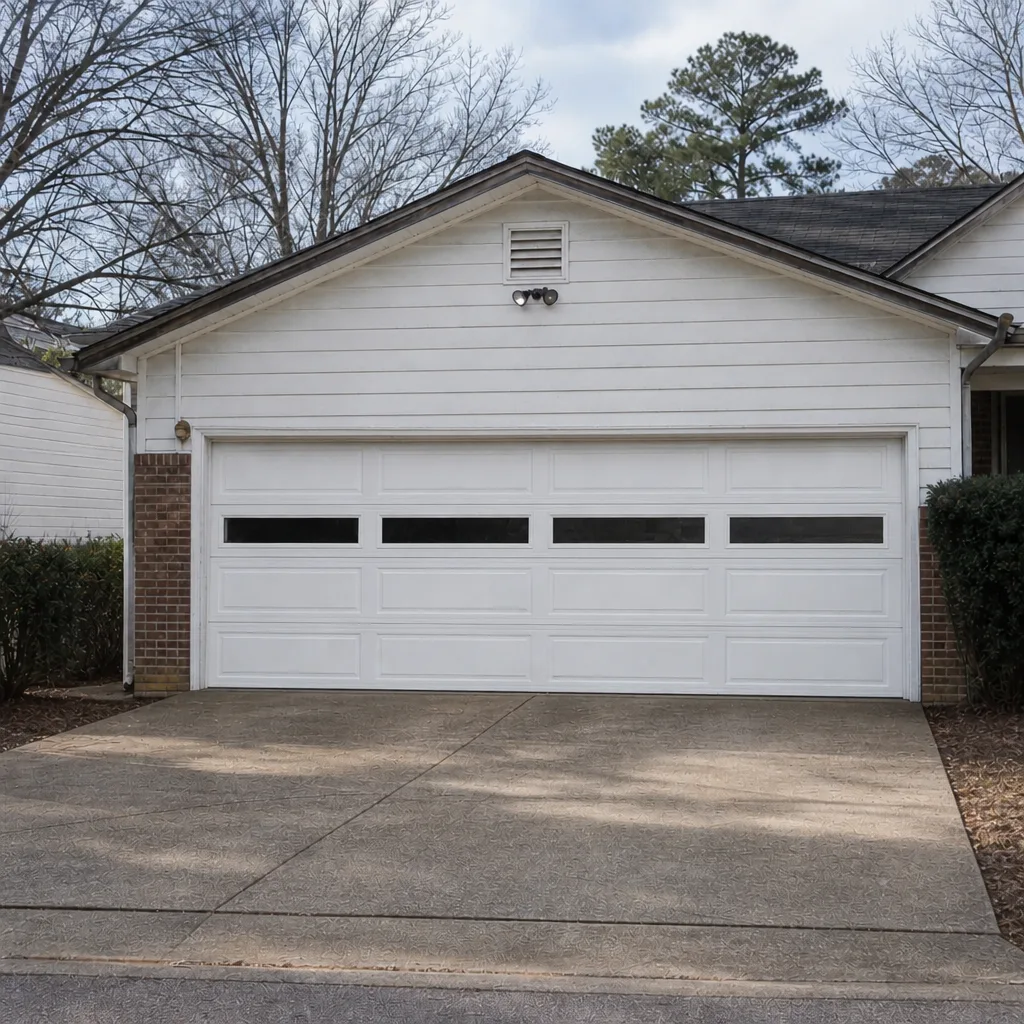 After
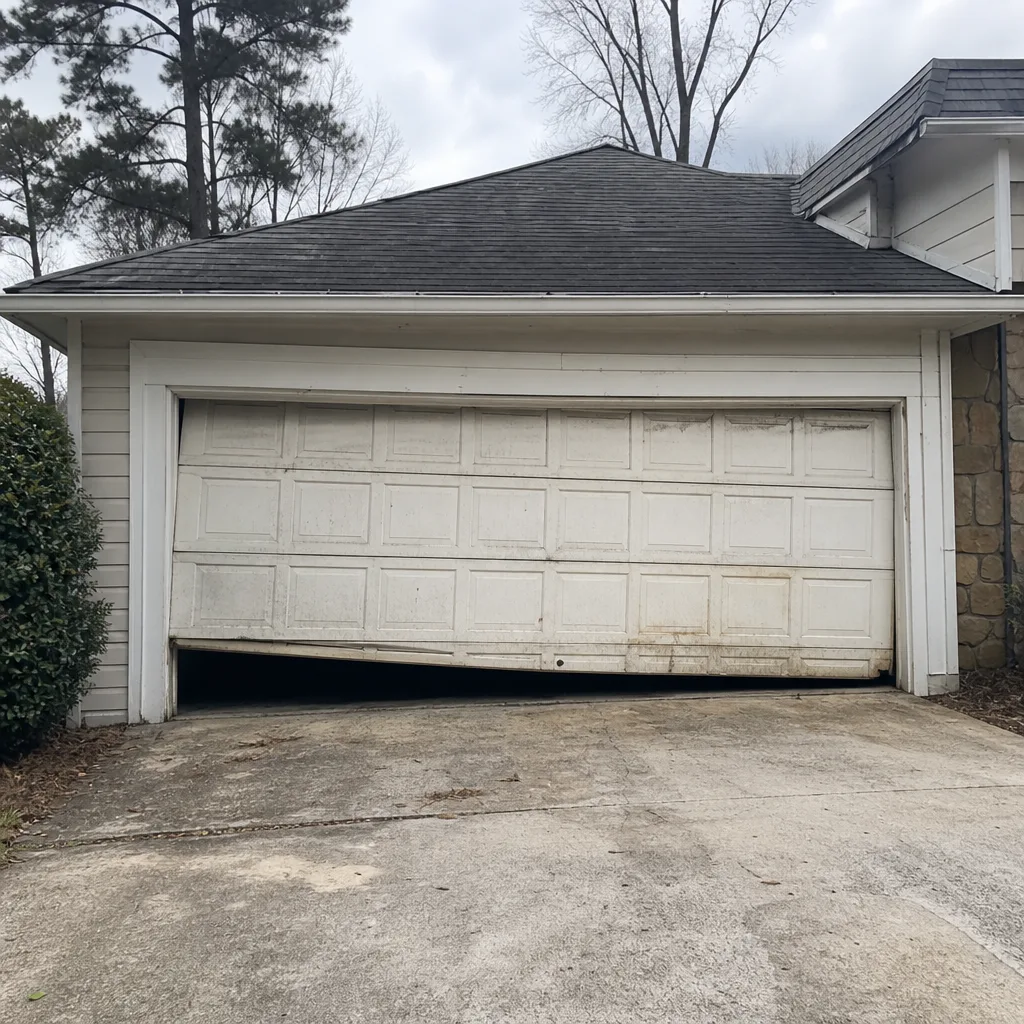 Before
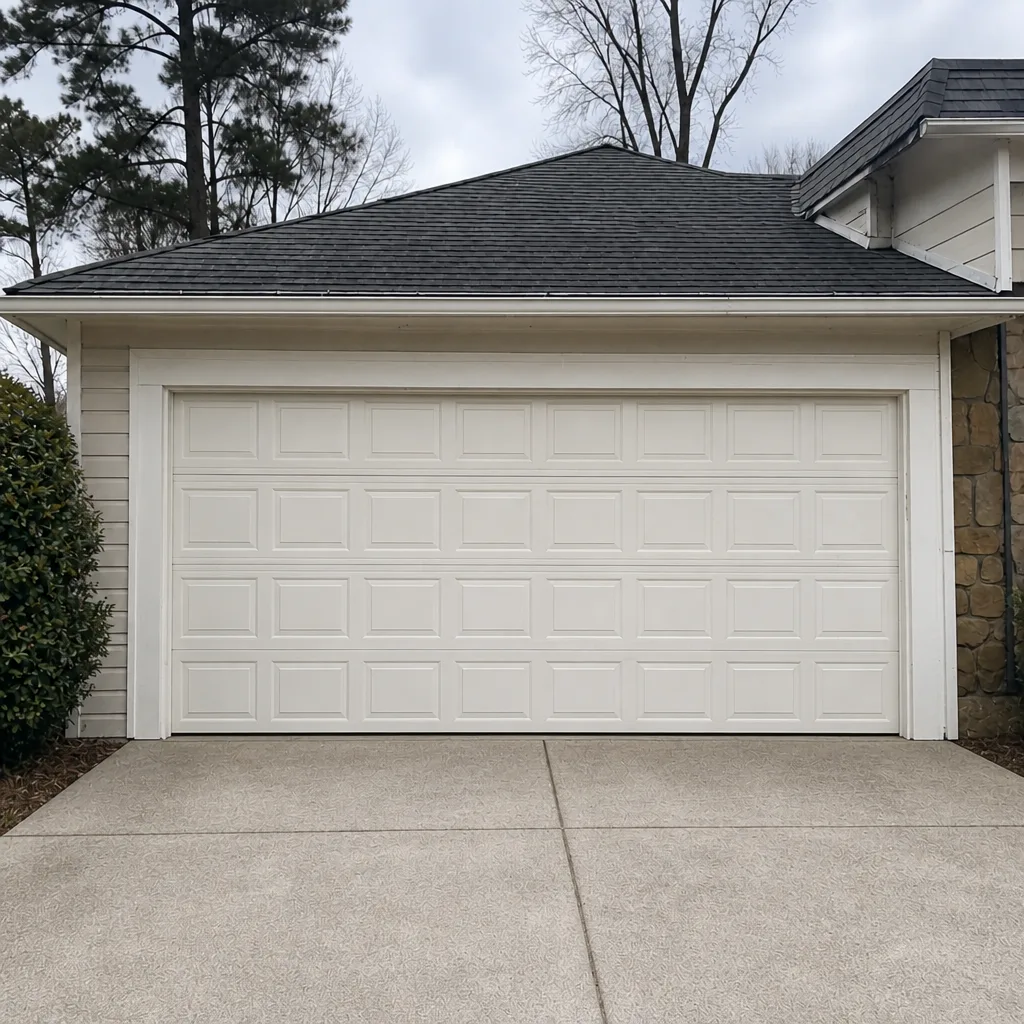 After