
Last updated November 23, 2026
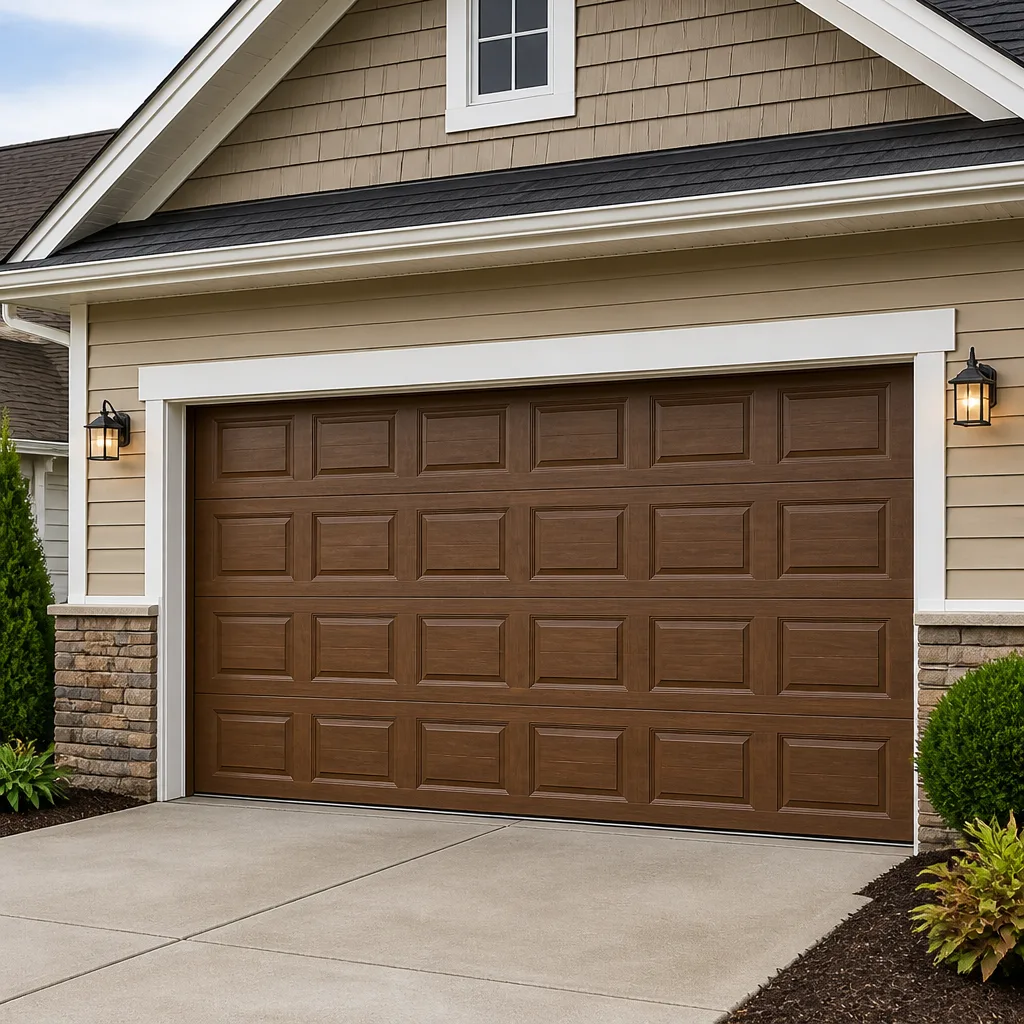 Raised-panel steel
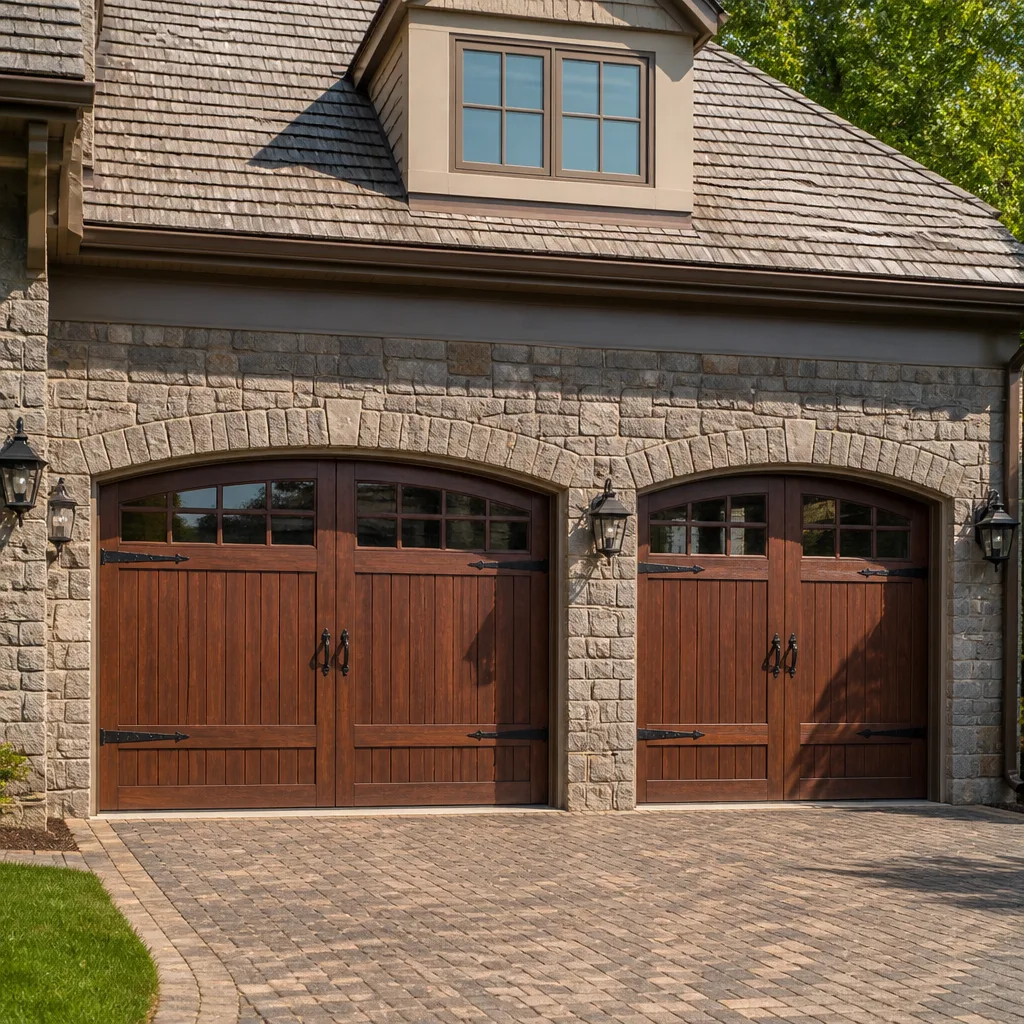 Carriage house
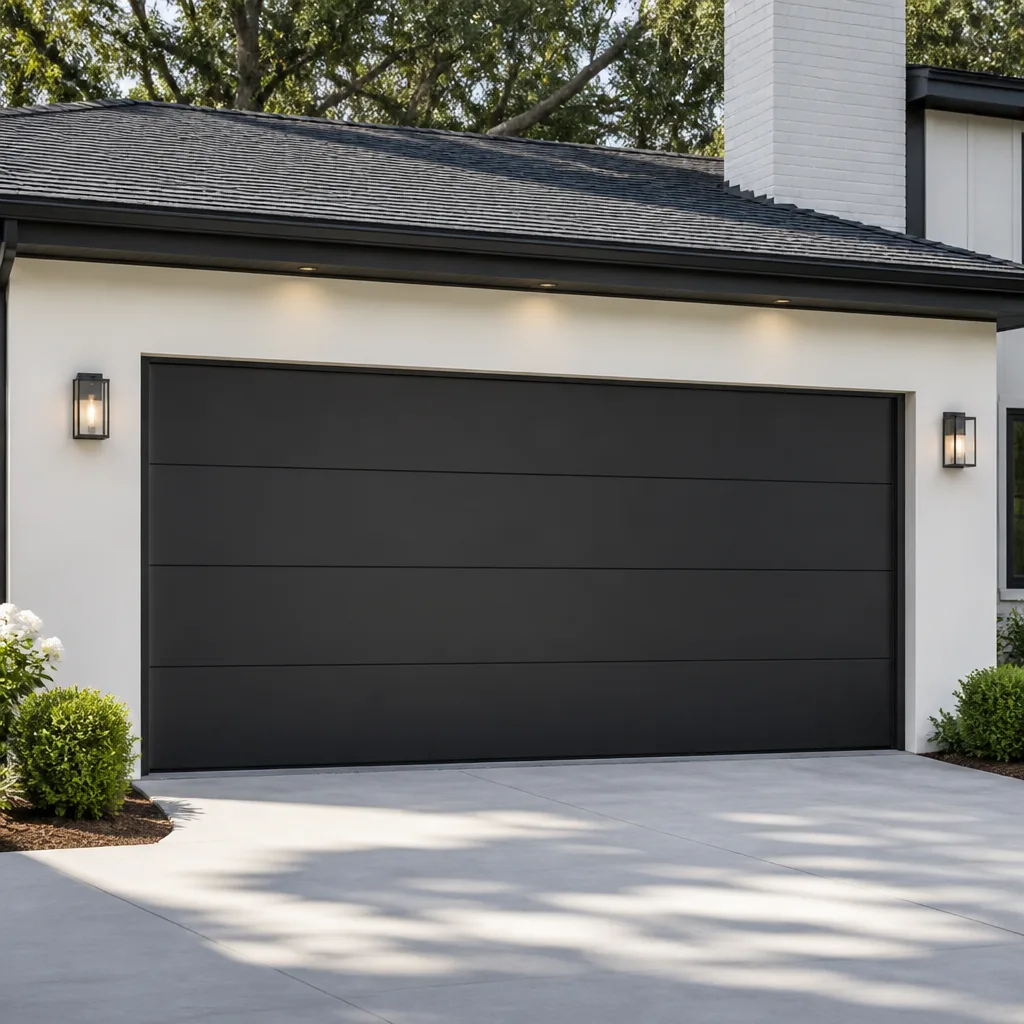 Modern flush
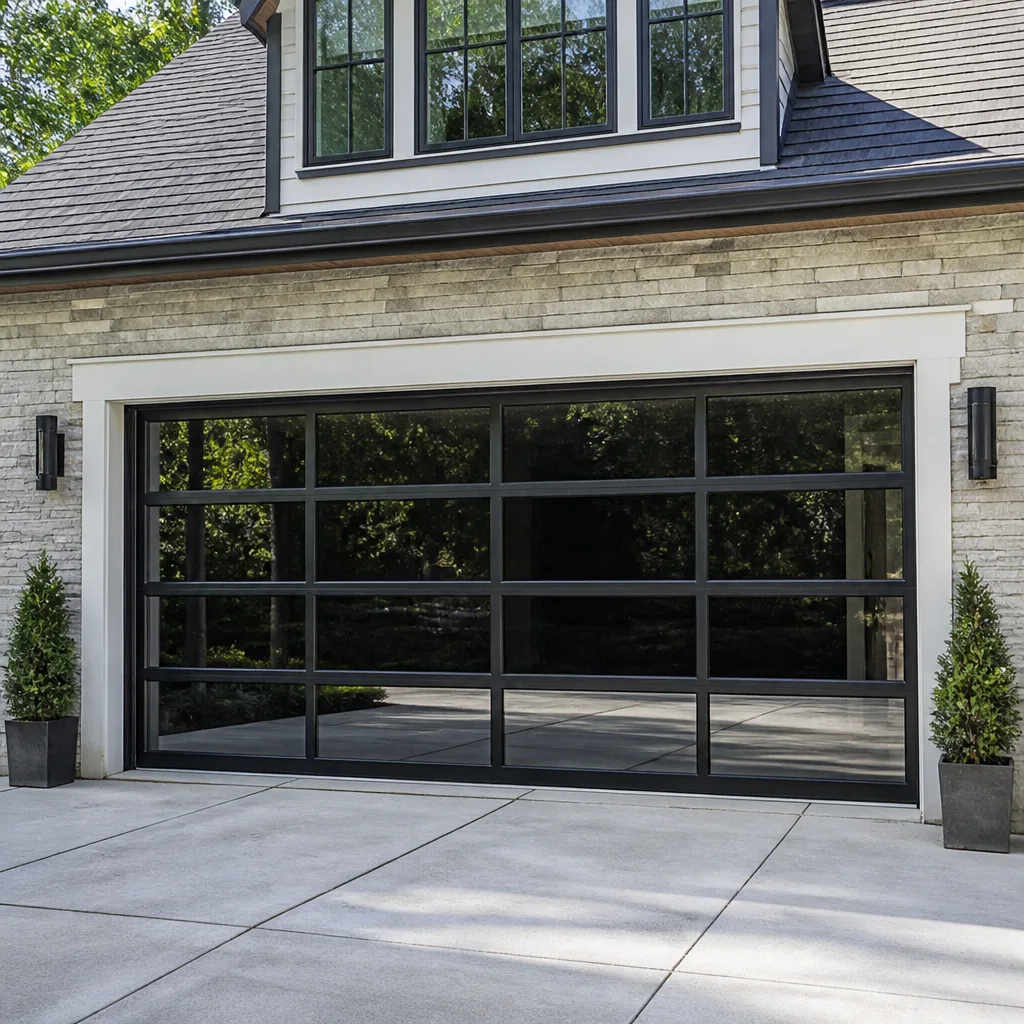 Full-view glass
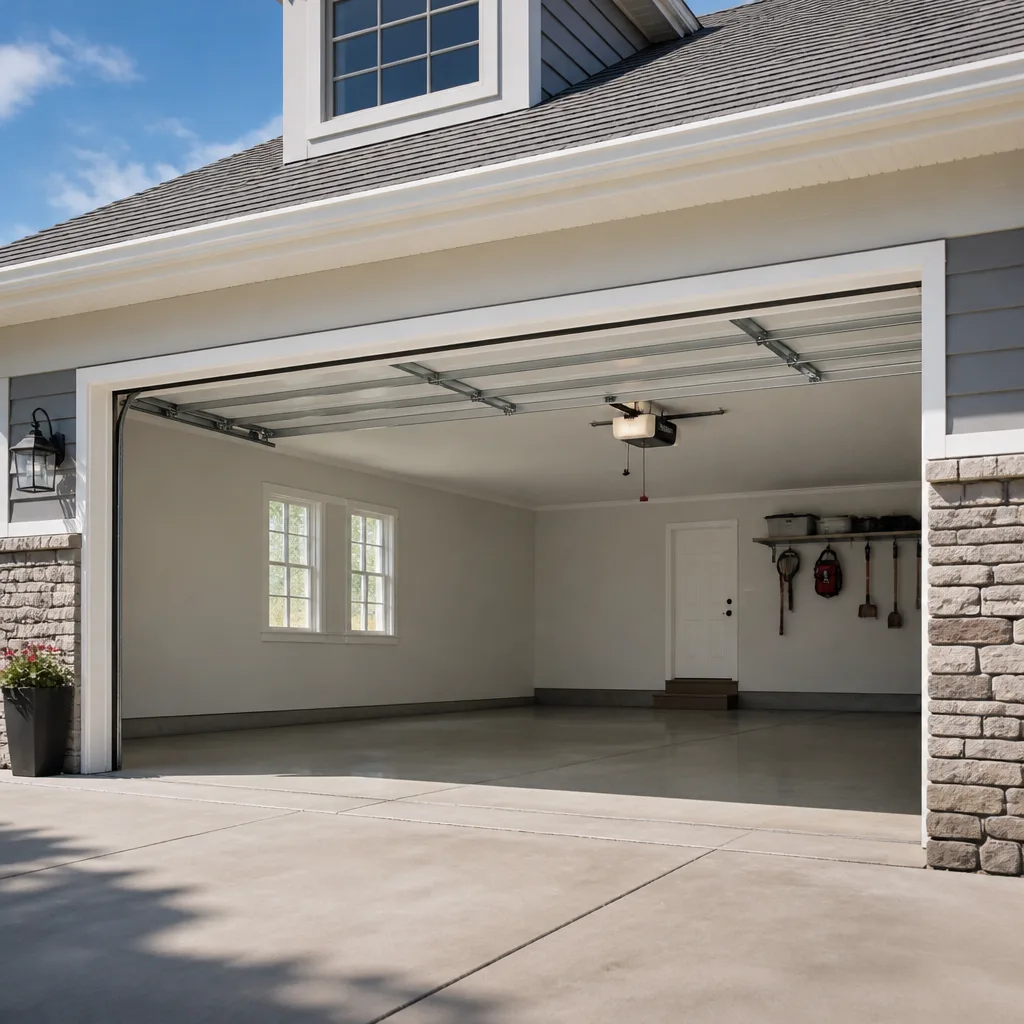 LiftMaster openers
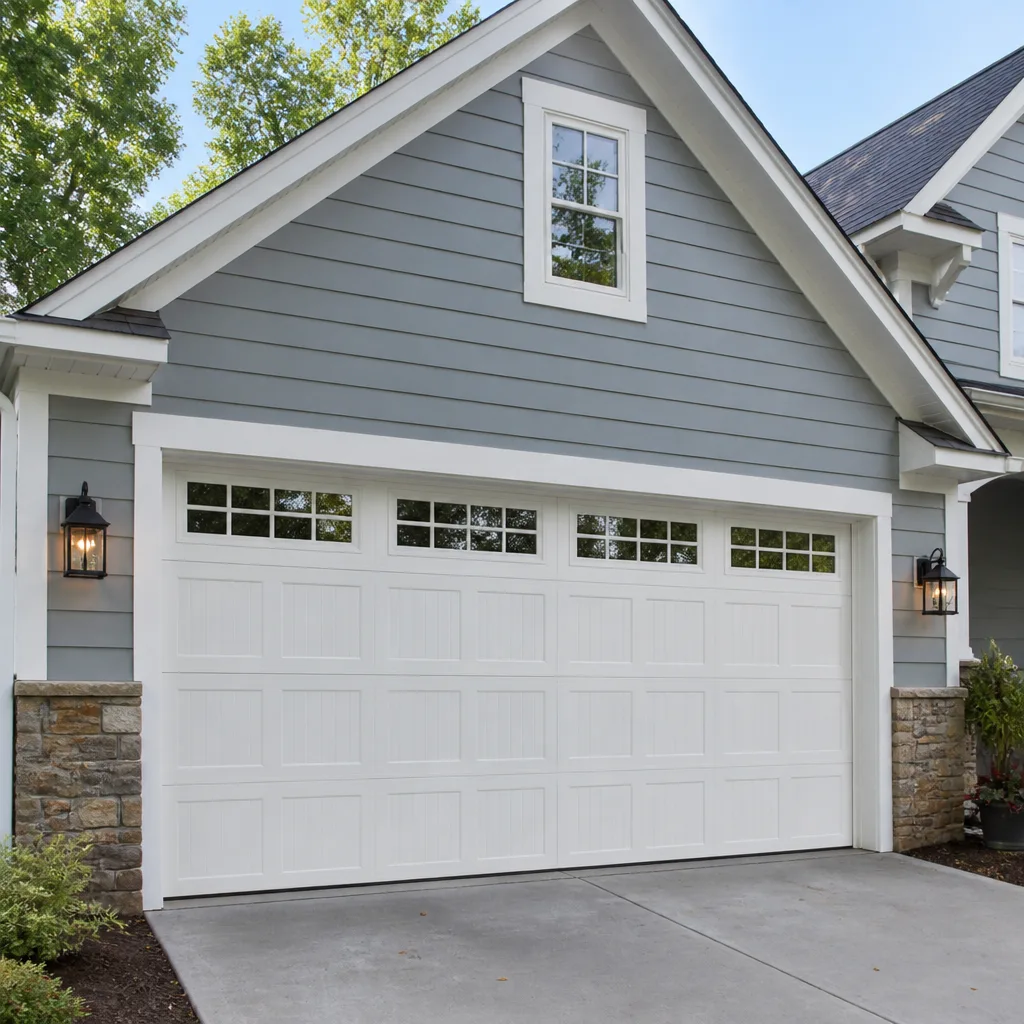 Chamberlain openers
Full 25-point door and opener safety check with every visit - springs, cables, rollers, tracks, and your LiftMaster or Chamberlain opener included
You get a price before we start. It does not change when the pro arrives.
Get your free estimateGarage Door Warning Signs: A Stonecrest Homeowner’s Reference Guide
The warning signs most homeowners notice are the wrong ones. A loud bang, a door that won’t open, a car trapped in the garage – those are the end of the story, not the beginning. By the time a torsion spring snaps or a cable lets go, the door has usually been telling you something for weeks. A little hesitation before it moves. A change in how it sounds on the way down. A gap at the floor that wasn’t there before. This Stonecrest Garage Door Repair guide walks through the quiet signals, what each one predicts, and how to tell whether you’ve got time to schedule a repair or need a technician out today. Stonecrest homeowners deal with the same spring-loaded systems as everywhere else; the point is reading yours before it fails.
Quick Answer
The most reliable early warning signs of garage door failure are: a door that hesitates before moving, a change in sound (squeak, grind, or pop), an uneven gap at the floor, an opener that reverses too easily or runs longer than it used to, and a door that feels heavy or won’t stay up when you disconnect the opener. Any one of these means you should have the door checked – the ones that point to a spring or cable problem should be checked before you operate the door again.
Styles & brands we work with
- Raised-panel steel
- Carriage house
- Modern flush
- Full-view glass
- LiftMaster openers
- Chamberlain openers
Table of Contents
- The Half-Second Hesitation
- Reading the Sound Profile: Squeak, Grind, or Pop
- Visual Asymmetry: What a Gap at the Floor Reveals
- Opener Behavior Changes as a Repair Signal
- The Manual Disconnect Test
- Warning Signs by Door Material: Steel, Wood, or Composite
- How Georgia Weather Affects the Signs
- Common Mistakes to Avoid
Why Your Garage Door Hesitates Before It Moves
A garage door that hesitates for half a second before moving is not warming up. In most cases, it’s a torsion spring losing tension. That hesitation typically precedes a full break by 30 to 90 days, which gives you a window most homeowners miss because the door still technically works.
Here’s what’s happening. The springs are what carry the weight of the door – not the opener. When a spring loses tension, the opener has to work harder to lift the door, so the motor pauses slightly while it builds enough force. You hear it as a stutter: the door lifts an inch, stops, then continues. On a healthy door, the movement is smooth from the first inch.
Hesitation is easy to miss because it develops gradually. If you use the garage door every day, you stop noticing the change. A few ways to catch it:
- Watch the first five seconds of the door’s upward travel. Does it rise smoothly or stutter?
- Listen for the opener’s motor to strain at the start of the cycle – that’s not normal.
- Compare how the door moves in the morning to how it moved last month. Any change is worth noting.
Other causes of hesitation include a binding track, worn rollers, or a failing opener motor. A technician can tell the difference in a few minutes. If you’re noticing hesitation and you want it diagnosed, our technicians have up to 11 years of experience reading exactly these signals, and we work on your brand whether that’s LiftMaster, Chamberlain, Clopay, or anything else you’ve got. For spring problems specifically, garage door spring repair is what we do, and we treat it with the caution it deserves.
Reading the Sound Profile: Squeak, Grind, or Pop
Sound is the most information-dense signal a garage door gives you, and most homeowners lump every noise into “it’s getting loud.” In our experience, three sounds mean three different things, and they predict different failures.
Squeak
A high-pitched squeak – usually on the way up – points to a lubrication or roller problem. The metal rollers or the hinges are dry, or the rollers are worn and grinding against the track. This is the least urgent of the three, but if you ignore it long enough, the rollers seize and start damaging the track itself. Squeaks are often fixable in a single visit.
Grind
A grinding sound, especially if it gets louder toward the top or bottom of the cycle, points to a track or roller problem or a worn bearing. If the grind is consistent along the whole travel, suspect a failing bearing on the torsion shaft or the opener’s drive. Grinding that started suddenly and stuck around is worth a call. If it’s grinding and the door is also moving slower than usual, the two signs belong to the same underlying issue.
Pop
A single pop or snap, especially followed by the door becoming harder to lift, is the most serious of the three. That’s almost always a spring or cable letting go. Stop operating the door. A door with a broken spring can come down hard and fast, and the opener will pull against a cable that’s no longer holding. A pop you hear once and never again, followed by the door refusing to lift, is the classic signature of a torsion spring break. A pop that repeats is more likely a loose hinge or a roller jumping the track; either way, it’s worth checking.
If you hear a pop, don’t run the opener to “see if it still works.” That’s how a manageable repair becomes a door on the ground. Call us at (877) 792-7296 and we’ll get a technician out. We answer 24/7, with fast dispatch from 7am to 7pm, Sunday through Friday.
Visual Asymmetry: What a Gap at the Floor Reveals
One of the most useful checks a homeowner can do takes about ten seconds and no tools. Stand inside the garage, shut the door, and look at the gap where the door meets the floor. Is it even all the way across, or is one side sitting higher than the other?
A door that’s raised slightly on one side at the floor is telling you that the cable or spring on that side is out of balance with the other. If the gap is new, it’s a strong sign of cable stretch, spring wear, or a track that’s out of alignment on one side. When one cable is pulling harder than the other, the door lifts crooked, and the opener fights the imbalance every time it runs.
Related checks that use the same idea:
- The horizontal line test. Open the door partway and look at the horizontal gap between the door’s top edge and the header. Is the door level? A door that’s visibly crooked in the opening is out of balance.
- The roller check. Look at the rollers where they sit in the track. If a roller is riding on top of the track edge instead of inside it, the door has jumped the rail and the door needs to be brought down to rest before anyone operates it.
- The panel check. Hinges and panel connections should line up. A door sagging visibly at one hinge means a hinge or the panel itself is failing, and the sag puts extra strain on the track.
Asymmetry is one of those signs that gets worse faster than homeowners expect. A door that’s a quarter inch off today can be a half inch off a week later, and once the imbalance is big enough, the door binds. For cable and track issues, garage door repair is our everyday work. We fix the imbalance, not just the symptom.
Opener Behavior Changes as a Repair Signal
The opener is the part of the system that gives you the clearest electronic breadcrumbs. When an opener starts behaving differently, it’s often telling you that the door’s mechanical side is fighting back – or that the opener’s own motor or logic board is starting to fail.
Watch for these opener behaviors:
- Longer cycle time. A door that used to take about fifteen seconds now takes twenty-plus. The opener is working harder against a heavier door, which usually means spring or roller trouble.
- Reversal sensitivity. The door that used to close firmly now reverses if it touches anything, even a leaf. A door that reverses for no reason is often detecting resistance from the door itself – a binding track, a stretched cable – or the opener’s safety sensors or logic board are on the way out.
- Remote range drop. If you used to open the door from the end of the driveway and now you have to be right next to it, the opener’s antenna, logic board, or the remote’s battery is declining. On smart openers like LiftMaster and Chamberlain myQ systems, this can also point to a Wi-Fi or logic board issue.
- The opener runs but the door doesn’t move. The motor turns, the chain or belt moves, but the door stays put. This is usually a stripped gear, a broken trolley, or the manual release having been left pulled.
- The opener’s light flickers or the safety sensors trip. On a Craftsman or a Genie, a blinking sensor light often means the sensor is misaligned or a wire has been damaged – sometimes by something as simple as a bumped track.
If you’re seeing opener changes, garage door opener repair covers what we do on the electronic side, from basic chain-drive units to smart-home-integrated openers. We work on your brand, so you’re not calling a specialist who only knows one system. In Stonecrest, where a lot of homes have a mix of newer smart openers and original equipment from the build, that range matters.
The Manual Disconnect Test
There’s a test any homeowner can do that tells you whether your springs are still carrying their share of the load, and it takes about a minute. It’s the most useful single check in this guide, because it separates a door that’s fine from a door that’s one cycle away from a problem.
The manual disconnect is the pull cord that hangs from the opener’s trolley. Pulling it disconnects the door from the opener so the door moves freely on its own springs.
- Close the door fully and make sure no one is standing in the door’s path.
- Pull the manual release cord to disconnect the door from the opener.
- Lift the door with one hand to about waist height. It should move easily – a properly balanced door takes only a light pull.
- Let go. The door should stay where you left it, or drift very slowly. If it drops on its own, the springs aren’t carrying the load. If it rises on its own, the springs are over-tensioned.
- Reconnect by pulling the cord again until the trolley re-engages, then test the opener.
What the test tells you: a door that falls when released has weak or broken springs, and the opener has been lifting the entire weight. A door that’s very hard to lift has binding in the track or a cable problem. A door that’s easy and stays put is balanced.
Safety caution: while this test is safe, a torsion spring or a high-tension cable is not something to adjust yourself. The springs are under enough tension to cause serious injury if handled without the right tools and training, and the same is true of the cables. If the disconnect test shows a balance problem, stop operating the door and call a trained professional. Spring work is one of the most dangerous repairs on a garage door, and we treat it that way – it’s a named, dedicated service here for a reason. If you’d rather have it checked, call (877) 792-7296. Estimates are free.
Warning Signs by Door Material: Steel, Wood, or Composite
A generic warning-signs list treats all garage doors the same. They’re not. A steel door, a wood door, and a composite door fail in different ways, and the signs that matter most change with the material. Stonecrest has plenty of each, and we work on doors from Clopay, Amarr, Wayne Dalton, and Raynor alongside whatever else is out there.
Steel doors
Steel doors dominate newer Stonecrest homes. On steel, the most useful early signs are dent patterns and rust points. Small dents near the bottom panels are cosmetic on their own, but a door that’s taken repeated hits at the same spot is often out of alignment. Rust that appears along the bottom edge – common in Georgia’s humid summers – means moisture is getting behind the paint and the panel’s finish is failing. Left alone, rust pits the steel and weakens the panel. Steel also shows you spring problems earlier because the door’s rigid panels telegraph the imbalance into a visible gap.
Wood doors
Wood doors show problems through the finish. A wood door’s warning signs are usually surface ones: paint that’s peeling in a pattern, a spot that stays wet after rain, or a hinge that’s visibly splitting the wood. Wood also absorbs moisture and expands, so the door can bind against the frame in humid months and rattle in dry ones. If the door swells and sticks, the opener fights the bind and the cycle time goes up. Wood doors also hide spring problems less obviously than steel – a warped panel can mask an imbalance – so the disconnect test matters more here.
Composite and insulated doors
Composite doors are more stable than wood but can delaminate. The classic sign is a thin gap appearing between the outer skin and the core, usually along an edge or where the panel meets the stile. A delaminating composite panel is heavier than it looks once water gets in, which pushes the door’s weight past what the springs were set for and shows up as the same hesitation you’d see on a failing spring. Insulated doors in general can hide a bent track behind the panel, so a visual inspection from inside the garage is worth doing.
How Georgia Weather Affects the Signs
Stonecrest’s weather gives garage doors a specific set of stresses that owners should factor into how they read warning signs. The signs don’t appear in a vacuum; the climate shapes when they show up and how fast they get worse.
The biggest factor is the humidity. Georgia’s summers are wet, and that moisture works on every door differently. Wood doors swell and bind in the summer, and the extra friction on the track shows up as a slower cycle and a strained opener. Steel doors don’t swell, but the humidity gets behind the bottom seal and starts working on the steel’s finish. Composite doors are the most stable, but a composite that does delaminate will often do it after a wet stretch. The same humidity affects the opener itself – the logic board and the sensors are sensitive to moisture.
The other factor is the temperature swing. Georgia winters get cold enough that the springs go from the summer’s ambient to a winter morning in a matter of months. Metal contracts in the cold, and a torsion spring that was already reaching the end of its tension can snap on a cold morning, which is exactly when many homeowners hear the pop. If your door has been hesitating through the fall, don’t wait for the first cold snap to have it checked. That’s the window where we most often get called on a door that was giving signs for weeks.
Wind and storms matter too, though hail is uncommon here. The bigger issue is wind-driven rain getting into the track and the door’s seals, causing rust and rust-jammed rollers. After a stormy stretch, a quick visual check of the door’s bottom edge and the rollers is worth the thirty seconds. If your door’s been stressed by weather and you’re ready to have it looked at, our Stonecrest Garage Door Repair team is built to handle the diagnosis and the repair without a handoff.
Common Mistakes to Avoid
- Running the opener to “see if it still works” after a pop or a spring break. The opener will pull the door with a broken spring or cable, which can send the door down hard. Stop operating the door and call.
- Adjusting the torsion spring yourself. The tension in a torsion spring is enough to cause serious injury. A spring that’s out of balance is not a homeowner repair, even with a video tutorial.
- Ignoring a squeak because the door still opens. Squeaks are cheap to fix now and expensive later when the rollers seize and damage the track. A squeak that persists for weeks is a sign the door’s lubrication and rollers are failing.
- Assuming hesitation means the opener is dying. Often it’s the spring or the door’s balance, and replacing the opener just puts a new motor against the same problem. Diagnose before you replace.
- Skipping the disconnect test because the door “seems fine.” The test takes a minute and is the single best check of spring balance. A door that falls when released is unsafe to operate, even if it looks fine from the outside.
- Thinking all doors fail the same way. A wood door binding in the wet season isn’t giving you the same message as a steel door with a rusted bottom edge. Tailor your check to the material.
- Assuming a single brand specialist will cover your door. If your door is a Clopay with a LiftMaster opener, a generalist may not know either system’s quirks. We’re factory-familiar with eight major brands, so the answer isn’t “we’ll try anything.”
See the difference
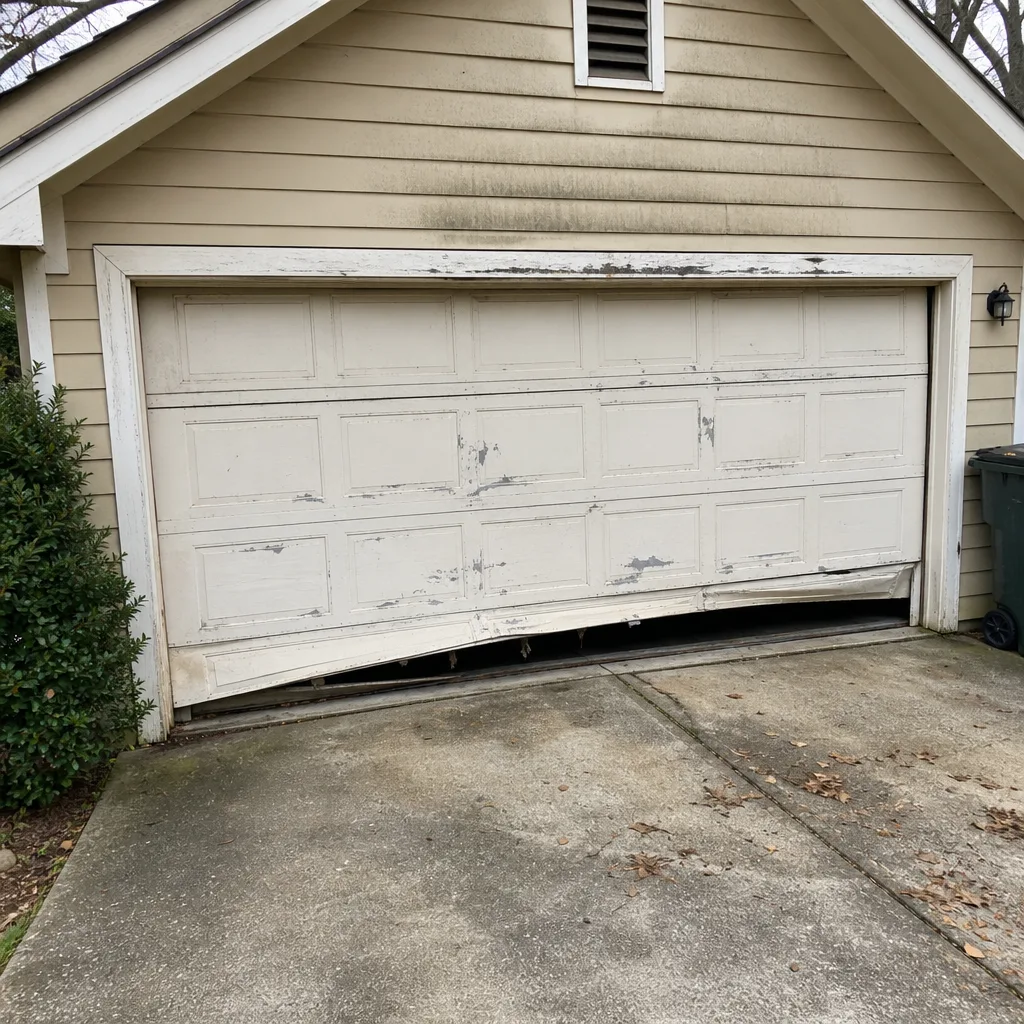 Before
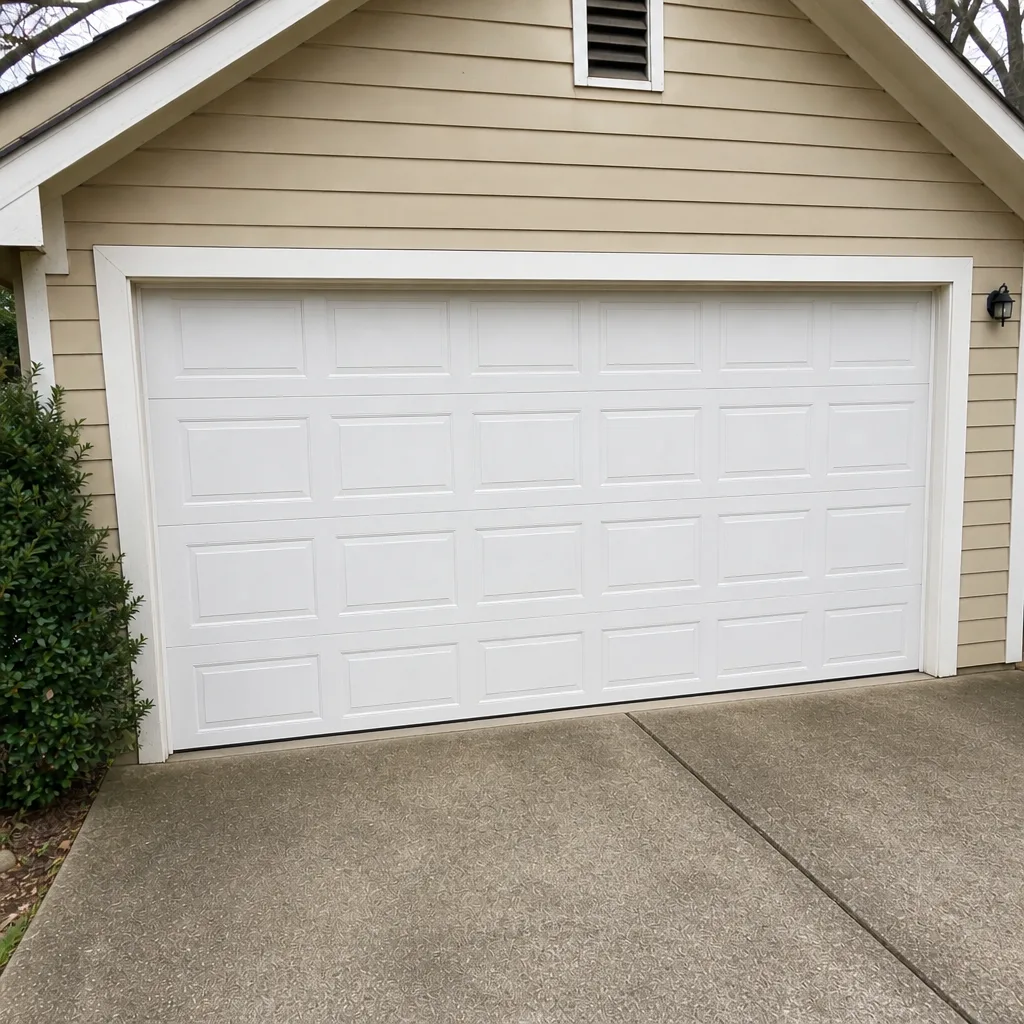 After
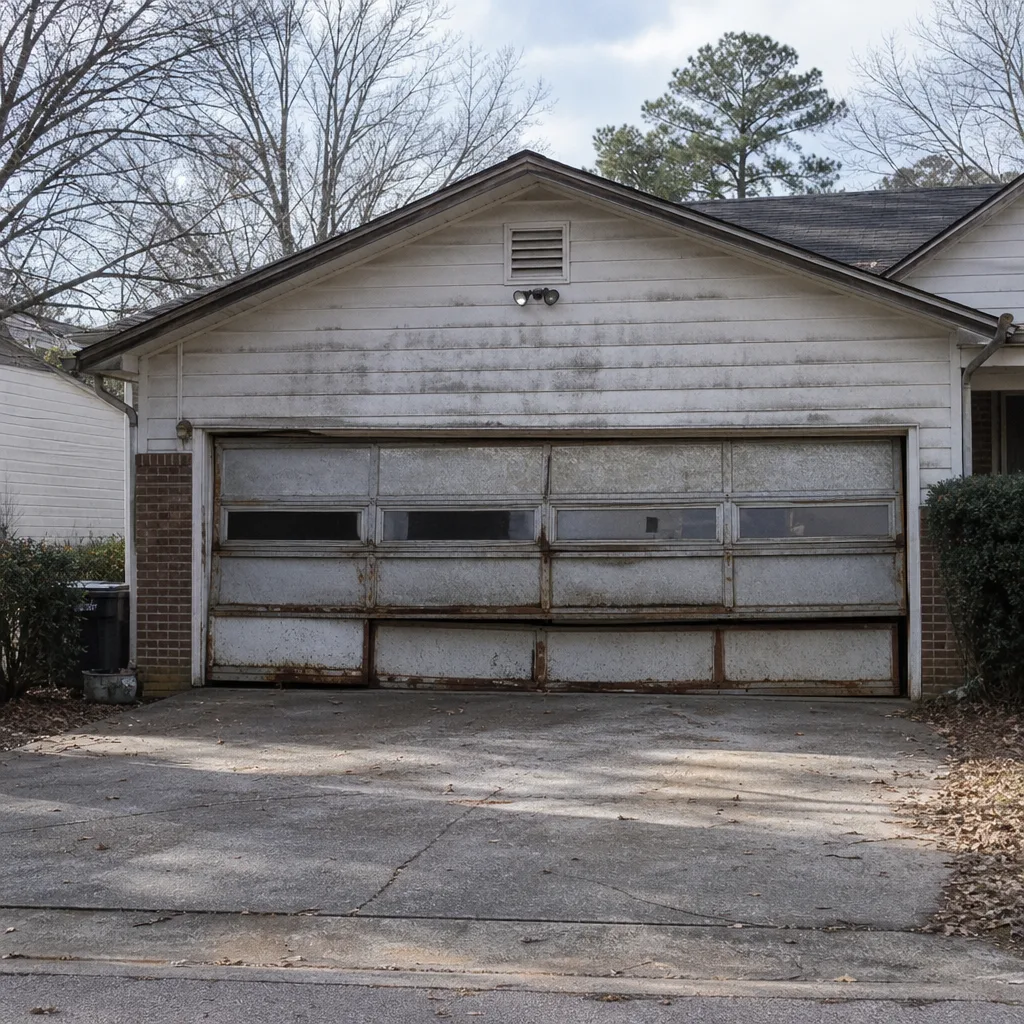 Before
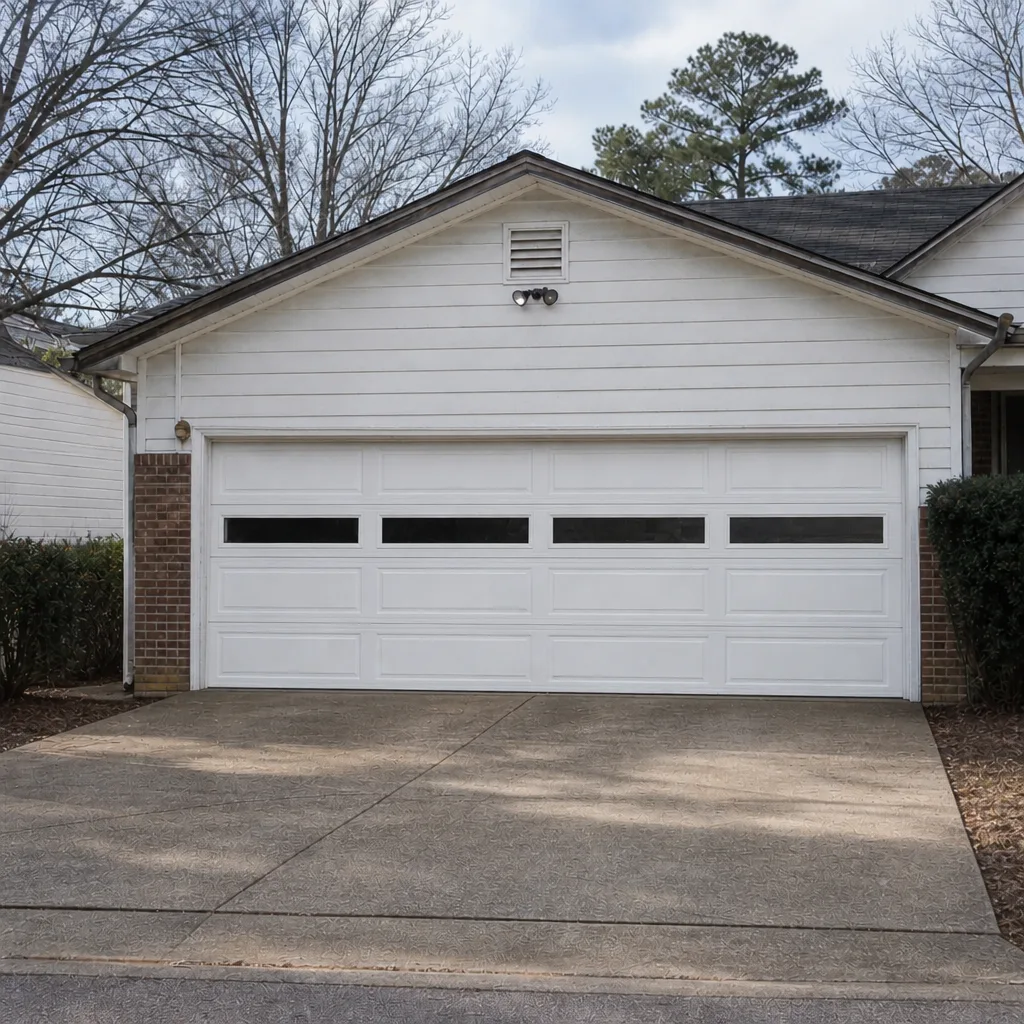 After
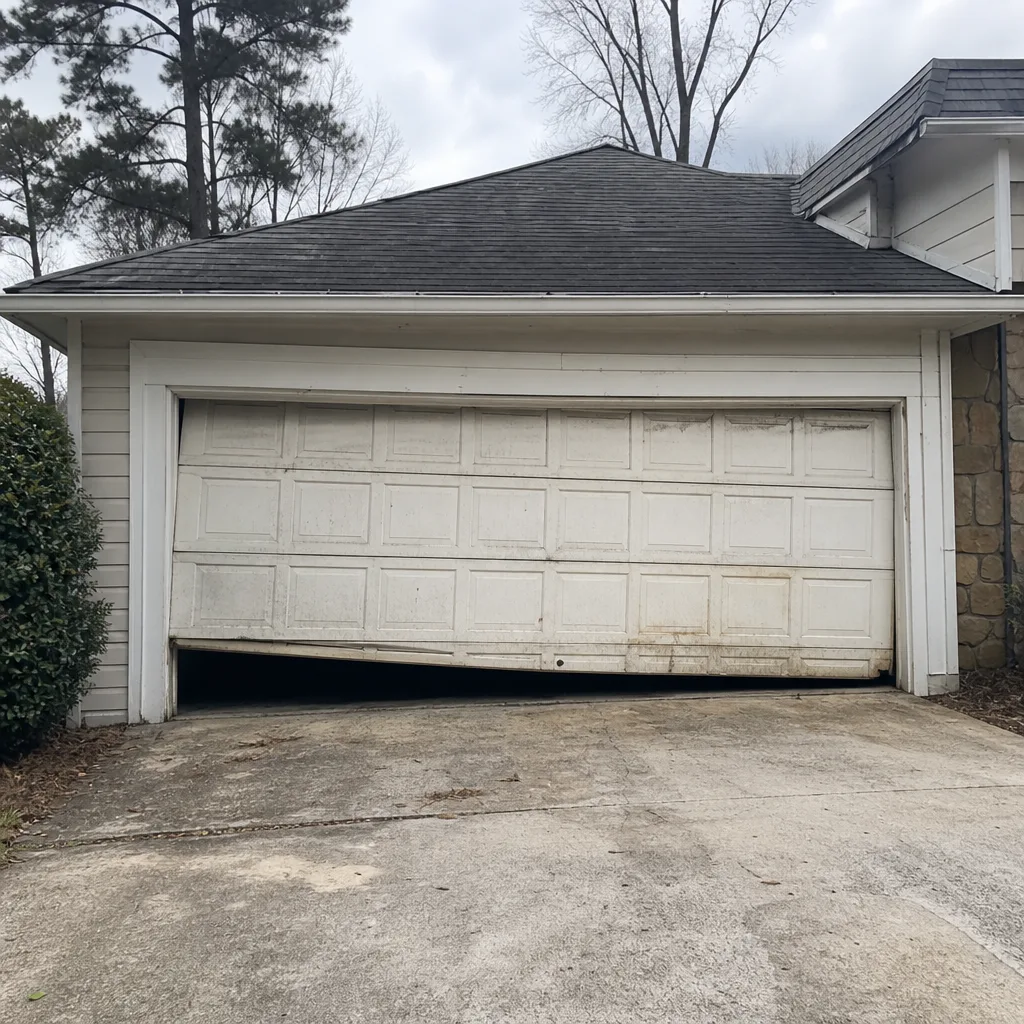 Before
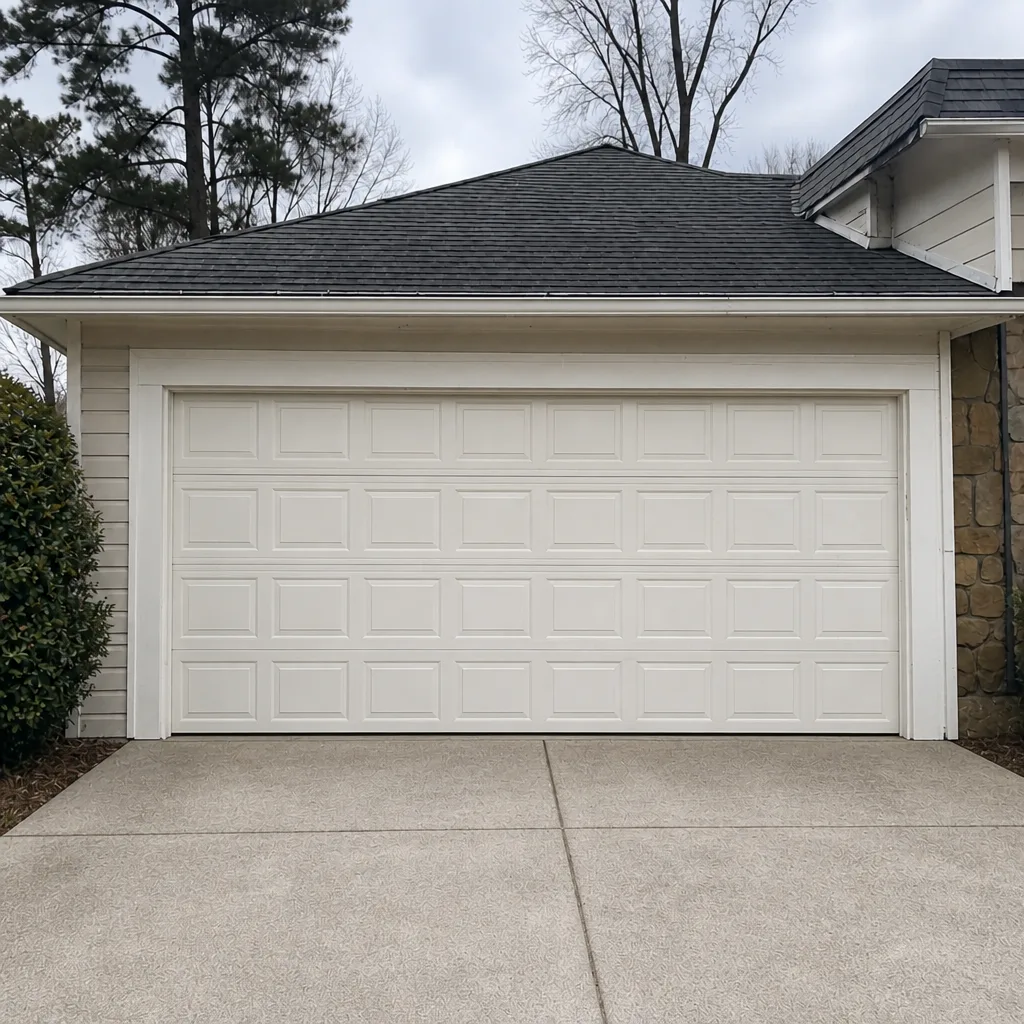 After
When to Call a Professional
Some signs can wait for a scheduled visit; others can’t. Call a professional immediately if you hear a pop or snap and the door won’t lift, if the door is visibly crooked in the opening, if a cable is visibly off its drum, or if the door falls when you release it during the disconnect test. Those are the cases where operating the door again can cause damage or injury. Signs that can wait for a scheduled visit include a squeak that’s getting worse, a small gap at the floor that’s new, an opener that’s reversed more than it used to, or a remote that’s lost range. Even those are worth booking soon – the earlier the diagnosis, the more likely it’s a repair rather than a replacement.
Stonecrest Garage Door Repair offers free estimates in Stonecrest – call (877) 792-7296. We answer 24/7. Fast dispatch from 7am to 7pm, Sunday through Friday. The written estimate sets the price, and it’s agreed before any work starts.
Frequently Asked Questions
The most reliable early warning sign is a door that hesitates before it moves. That hesitation usually means the torsion spring is losing tension, and it typically precedes a full break by 30 to 90 days. If you notice it, have the door checked before it becomes an emergency. Call (877) 792-7296 for an exact diagnosis. Estimates are free.
The signs are a hesitation before the door moves, a door that feels heavy or falls when released during the manual disconnect test, and a gap at the floor that’s appeared on one side. A single pop followed by the door refusing to lift is the break itself. Don’t operate the door after a pop; call a professional. Spring work is exactly the kind of high-tension repair to leave to a trained technician. Call (877) 792-7296 and we’ll get a technician out.
A noisy garage door isn’t automatically dangerous, but the type of noise matters. A squeak usually points to lubrication or rollers and is the least urgent. A grind points to a bearing, roller, or track problem that gets worse if ignored. A pop is the dangerous one – it usually means a spring or cable has let go, and the door should not be operated. If you’re unsure which you’re hearing, call (877) 792-7296.
No. A torsion spring stores enough energy to cause serious injury, and it needs the right tools and training to replace safely. This is one of the most dangerous repairs on a garage door, which is why we handle it as a dedicated service. If your spring has broken or your door is out of balance, stop operating it and call a professional. Call (877) 792-7296.
They differ more by door material and opener model than by brand, but brand matters. A smart opener from LiftMaster or Chamberlain can show different logic board or Wi-Fi symptoms than a basic Craftsman or Genie unit, and a Clopay or Amarr door’s panel construction shapes what you’ll see when it’s out of balance. We’re factory-familiar with eight major brands, so we work on your brand rather than sending you elsewhere for a system we don’t know. Call (877) 792-7296 for an exact quote on the diagnosis.
No. The written estimate sets the final price, and the price is quoted and agreed before any work starts. If a technician finds something beyond what the estimate covered, the additional work is quoted separately before it’s done. The estimate is free. Call (877) 792-7296 to book one. Just so you know what to expect: we answer 24/7, and dispatch runs 7am to 7pm, Sunday through Friday.
The Bottom Line
The signs that matter most on a garage door are the quiet ones. A half-second hesitation, a change in sound, a gap at the floor, an opener that runs a little longer, a door that drops when released – each one gives you weeks to schedule a repair instead of calling in an emergency. Check the sound, check the gap, and do the manual disconnect test once a month. Know what your door’s material is telling you, and factor in Stonecrest’s humidity and cold snaps, because they speed up the timeline. When a sign shows up, get it looked at. Stonecrest Garage Door Repair handles the diagnosis with technicians who have up to 11 years of experience, and we work from the first cable to the final panel. Call (877) 792-7296 for a free estimate. We answer 24/7. Fast dispatch from 7am to 7pm, Sunday through Friday.
Written by the team at Stonecrest Garage Door Repair.