
Last updated November 23, 2026
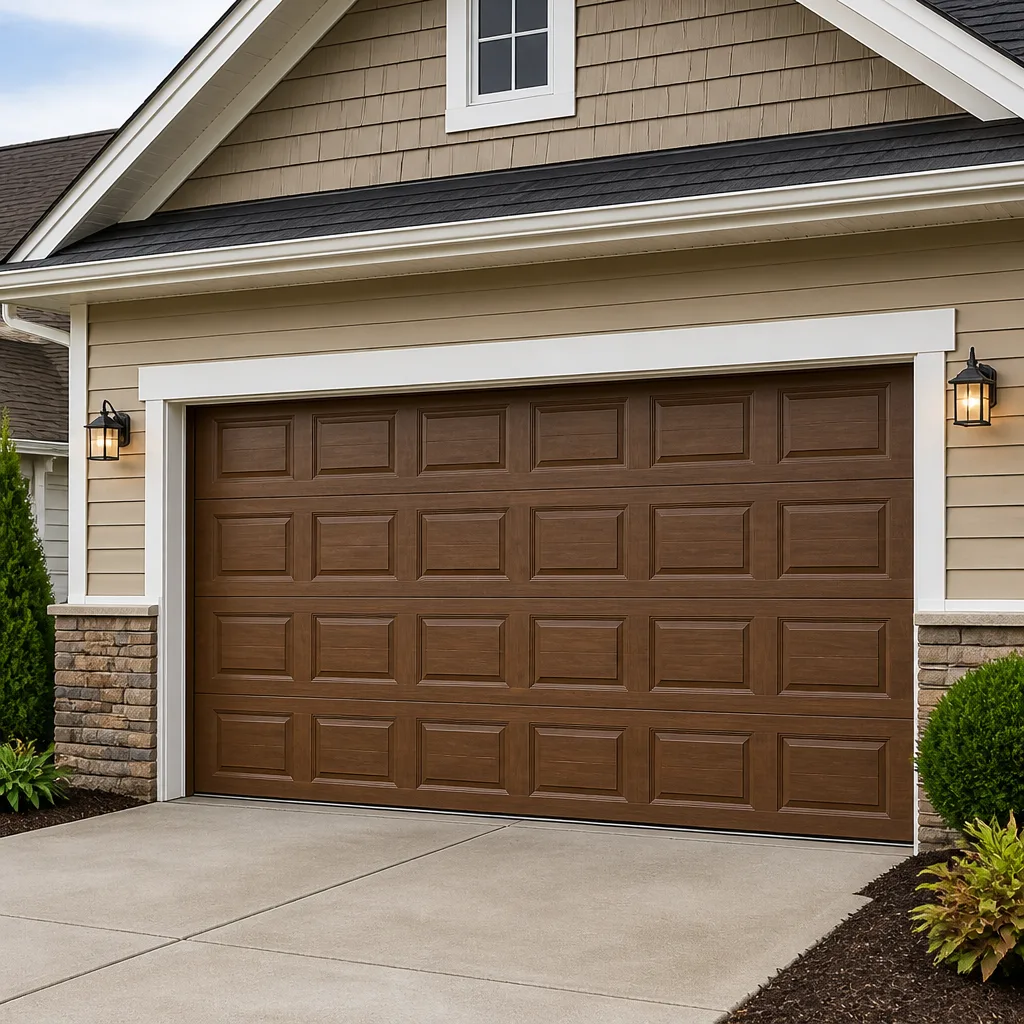 Raised-panel steel
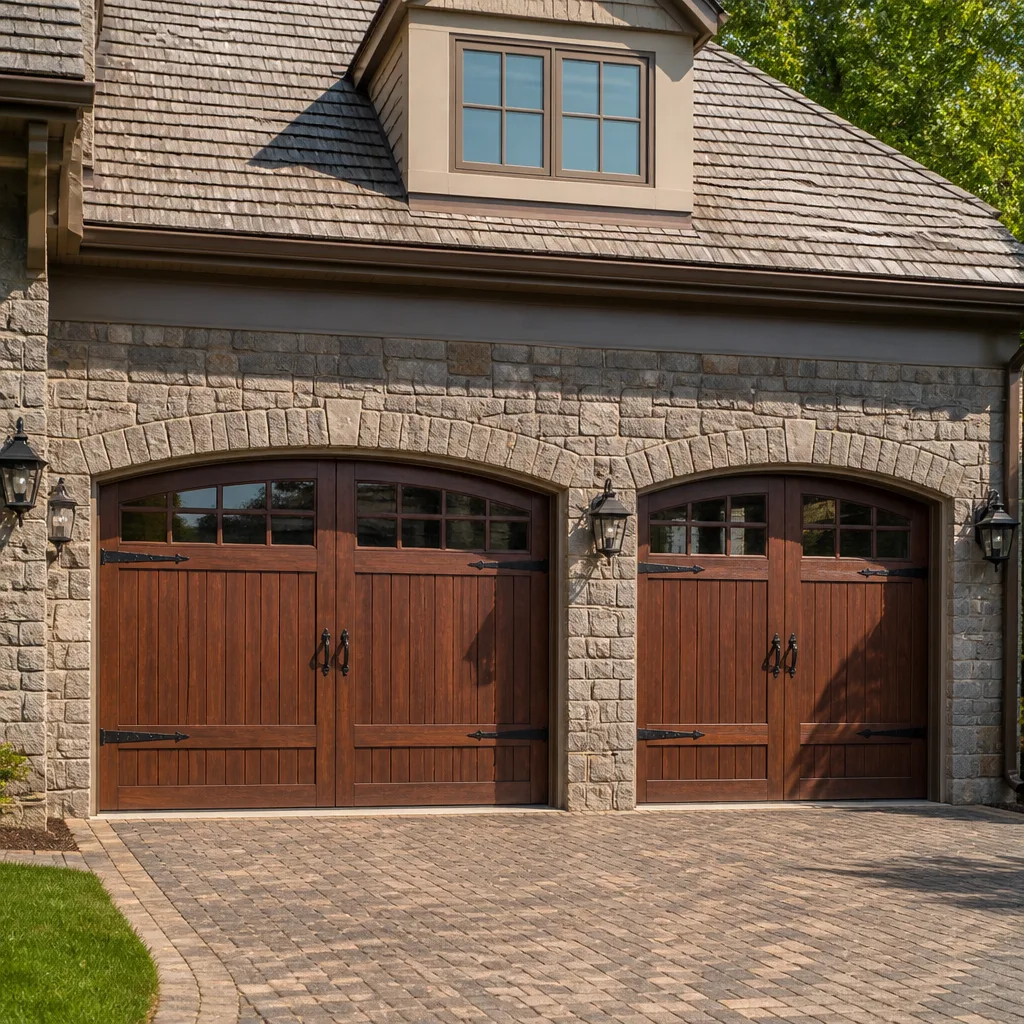 Carriage house
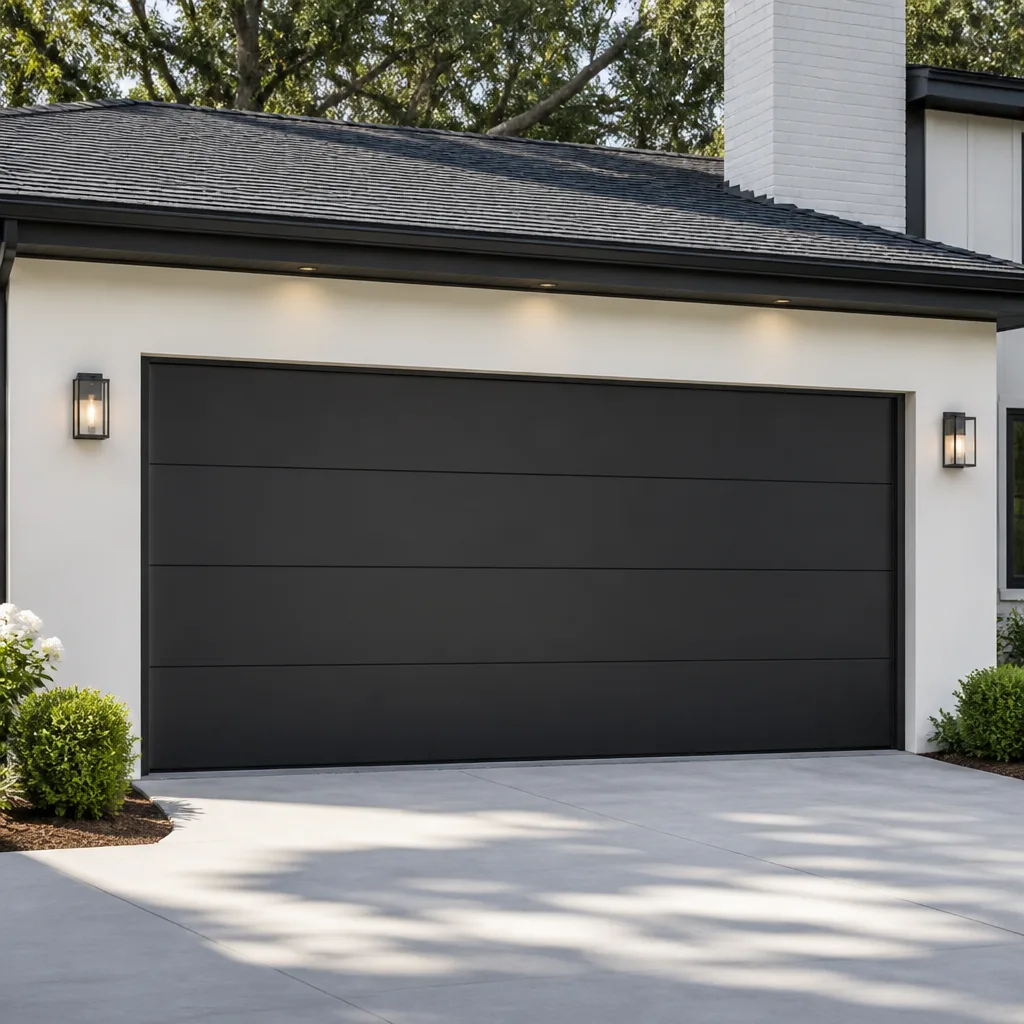 Modern flush
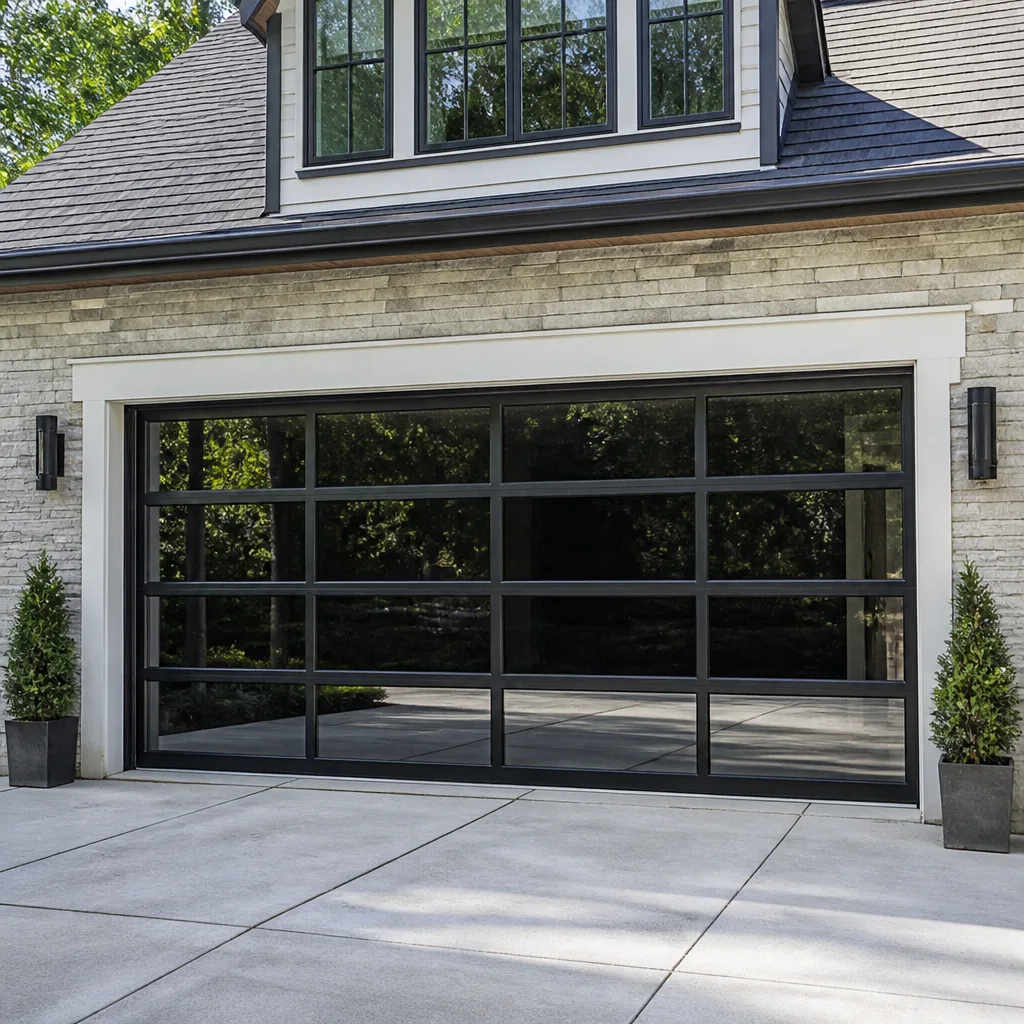 Full-view glass
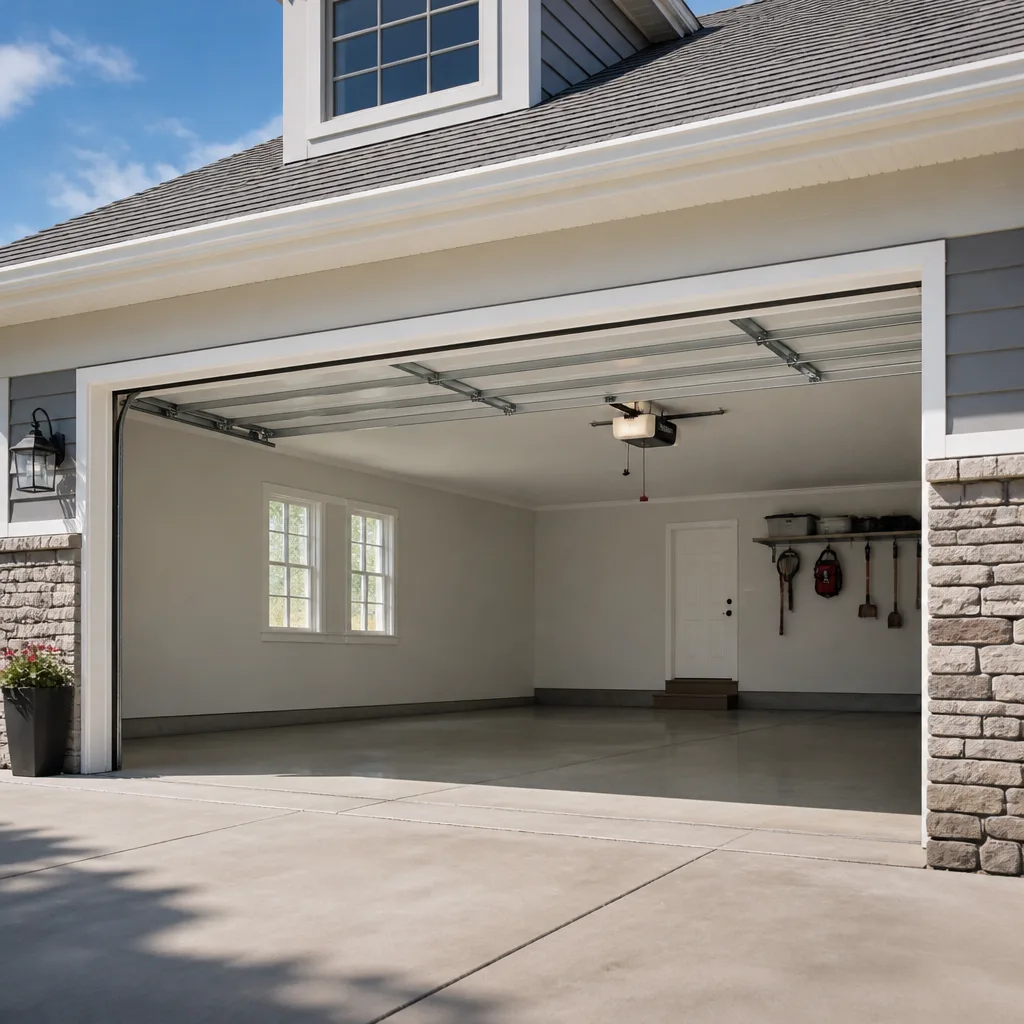 LiftMaster openers
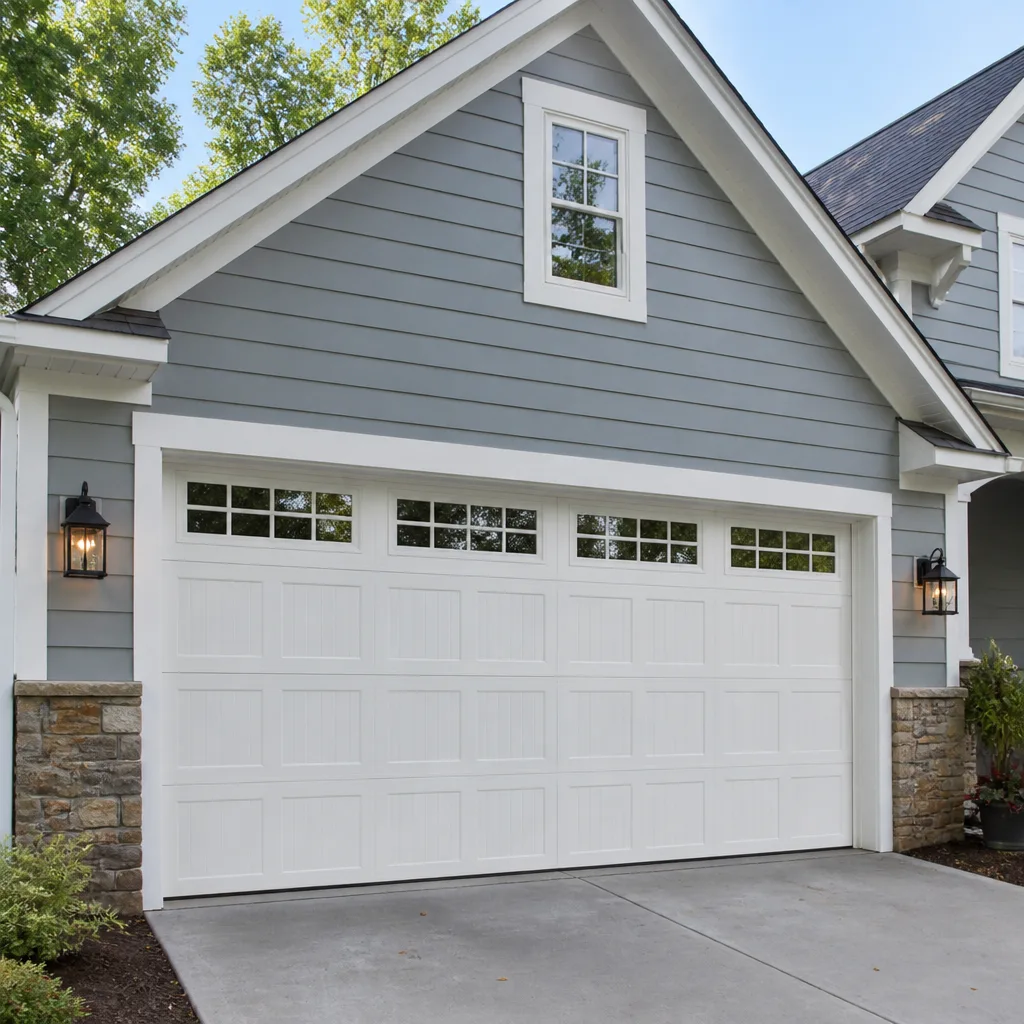 Chamberlain openers
Full 25-point door and opener safety check with every visit - springs, cables, rollers, tracks, and your LiftMaster or Chamberlain opener included
You get a price before we start. It does not change when the pro arrives.
Get your free estimateHow to Hire a Garage Door Contractor in Stonecrest: A Step-by-Step Guide
A contractor who works on “all doors” but can’t name the torque spec difference between a 7-foot and an 8-foot door is guessing, and you’re paying for the guess. That’s the part most hiring advice skips. People check for a license, glance at a review or two, and book the first name that comes up. Then the tech arrives, looks at your hardware, says something vague about “aftermarket parts,” and the job either stalls or gets priced a second time on the spot. The problem was never the tech’s willingness. It was that nobody asked the right questions before the driveway was full.
This guide is written for Stonecrest homeowners who want to get it right the first time. You’ll learn what to ask before you book, how to read a quote structure, where brand limits quietly show up, and what reviews can tell you about a garage door contractor that they can’t tell you about a plumber. By the end you’ll have five questions in your pocket that separate a real specialist from someone who learned garage doors recently. We’re Stonecrest Garage Door Repair, and we’ve watched enough of these calls go sideways to know exactly which ones to spot early.
Quick Answer
To hire a garage door contractor in Stonecrest, verify Georgia licensing and general liability insurance, ask five specific diagnostic questions about your door’s lift type, spring system, and brand, request a written quote with itemized parts and labor, and confirm whether the contractor works on your specific brand or only installs it. A trained specialist answers those questions in plain language without hedging. Anyone who dodges them, or says “we’ll take a look when we get there,” is selling a guess.
Styles & brands we work with
- Raised-panel steel
- Carriage house
- Modern flush
- Full-view glass
- LiftMaster openers
- Chamberlain openers
Table of Contents
- Why Hiring the Wrong Garage Door Contractor Costs More Than You Think
- What Georgia Requires: Licensing and Insurance for Garage Door Work
- The Five Diagnostic Questions That Expose Experience Level
- Why “Brand-Authorized” Doesn’t Always Mean They’ll Fix Your Door
- How to Read a Garage Door Quote: What Should Be Itemized
- What Garage Door Reviews Reveal That Other Trade Reviews Don’t
- Step-by-Step: How to Vet and Book a Contractor in Stonecrest
- What You Should Never Do Yourself
Why Hiring the Wrong Garage Door Contractor Costs More Than You Think
A garage door is the largest moving object in most homes. It weighs over a hundred pounds in most single-car configurations, runs on torsion or extension springs under real tension, and travels on tracks that have to be square to within a small margin. When a technician unfamiliar with your specific system touches it, small mistakes have a way of showing up a few weeks later. A door that closes “fine” after a spring swap can drift off-level, chew through rollers, or burn out an opener motor early because the counterbalance was set slightly wrong.
In Stonecrest, the housing stock is mostly 1990s through 2010s construction, which means a lot of original build-era hardware still in place. Those doors used specific spring configurations and opener generations that aren’t the same as what’s going into new homes today. A generalist handyman may know how to change a light bulb in an opener motor but won’t know why a 15-year-old chain-drive unit paired with an original torsion spring has a specific failure pattern. That’s the gap you’re paying for when you hire a specialist, and it’s why the questions later in this guide matter more than any single credential.
What goes wrong when you hire a generalist:
- They replace one spring when the matched pair needs to be done together, and the second spring fails shortly after because it was already at end of life.
- They use a spring with the wrong wire gauge for the door’s weight, which shortens the life of the spring and the opener.
- They adjust tracks by feel rather than checking plumb, and the rollers wear unevenly.
- They diagnose an opener fault as “replace the whole unit” when the problem is a limit switch or a stripped gear.
- They can’t identify which brand of door you actually have, so any parts ordered are a guess.
None of this is malicious. It’s just what happens when a technician’s experience is one step behind the system in front of them. We work on your brand directly, which means when we show up, the repair is planned around what’s actually on your door, not what happens to be familiar.
What Georgia Requires: Licensing and Insurance for Garage Door Work
Georgia does not issue a garage-door-specific contractor license. Garage door installation and repair typically falls under a general contractor classification when permits are required, and some municipalities treat it as a specialty trade that doesn’t require a state license at all for repair work. That inconsistency is exactly why homeowners get caught off guard. A handyman can legally offer garage door repair in many parts of the state, but that doesn’t mean he’s trained or insured for the risks the job carries.
What this means for you in Stonecrest:
- Ask for a certificate of general liability insurance. Not a verbal “we’re insured.” Ask to see the COI and check that the policy is current. A garage door injury or property damage claim falls on you if the contractor isn’t covered.
- Ask whether the technician carries workers’ compensation coverage. If someone is hurt on your property and the contractor doesn’t carry workers’ comp, you can be exposed to a claim.
- Ask your city’s building department whether your specific job requires a permit. Spring swaps typically don’t. Replacing a full door system, changing the structural opening, or altering frame work sometimes does. Call the Stonecrest permitting office and ask; it takes five minutes and eliminates the guesswork.
- Ask what happens if the repair triggers secondary damage. A reputable contractor carries insurance that responds when, for example, a garage door comes out of the track during a repair and dents a car or breaks a window. Ask how they handle that scenario before it occurs.
- Ask whether the technician subcontracts. Many operations dispatch third-party labor. If your tech isn’t the contractor’s employee, understanding who’s responsible matters when an issue comes up later.
If a contractor bristles at those questions or tells you they’re unnecessary, that’s your answer. A licensed and insured operator hands over paperwork without hesitation. The stonewalling usually signals a coverage gap.
The Five Diagnostic Questions That Expose Experience Level
These are the five questions we think every Stonecrest homeowner should ask before booking a garage door visit. None of them are confrontational. They’re the kind of questions a person who does the work every day answers quickly and specifically. Someone who doesn’t will falter, hedge, or pivot to a sales pitch.
- “What kind of springs are on my door, and how do you know?” A trained technician asks about the door’s weight, the brand, and whether you have torsion or extension springs. Torsion springs mount on a horizontal bar above the door; extension springs run along the horizontal tracks. If the person on the phone can’t describe the difference clearly, or says “we’ll figure it out when we get there,” that’s a red flag. garage door spring repair is a specialty, not a side job.
- “How do you handle a matched spring pair?” A correct answer: if one spring has failed and both are the same age, replacing both is usually the right call because the second is on borrowed time. A weak answer: “We only fix what’s broken.”
- “What brand of opener do I have, and can you work on it?” Ask specifically about your opener. Most Stonecrest homes have LiftMaster, Chamberlain, Genie, or Craftsman units. A technician should be able to name common failure points for each – stripped gears on older chain-drive units, battery backup issues on newer smart openers, limit switch drift. If they say “we can work on any opener,” press them for detail.
- “What’s the torque spec difference between a 7-foot and 8-foot door?” This one separates the technicians from the salespeople. Door height changes the cable winding and the torsion bar turns required. A trained tech knows that answer cold. Someone who changes doors on the side usually doesn’t.
- “What’s your process for testing the door after the repair?” A real answer includes safety-reverse testing, force adjustment checks, balance testing (opening the door halfway by hand to check whether it stays), and a visual inspection of cables and rollers. If the answer is “we run it up and down a few times,” keep looking.
Ask those five and you’ll learn, in about three minutes on the phone, whether you’re dealing with someone who has 11 years of experience on the tools or someone whose experience is mostly on the sales side.
Why “Brand-Authorized” Doesn’t Always Mean They’ll Fix Your Door
Here’s a scenario that catches people off guard. You buy a new Clopay door, or you already have one from the builder. The door starts dragging. You call the dealer your neighbor recommended because they’re “authorized Clopay.” They arrive, look at the system, and say they can’t help because the opener is a Genie, or the torsion hardware isn’t Clopay-branded, or the previous spring swap used parts outside their authorized supply chain. Now you’ve spent a day and you’re back where you started.
“Brand-authorized” is a real credential and a useful one when it applies. It means the dealer has been trained on one manufacturer’s installation specs and warranty terms. What it doesn’t mean is that they’ll touch a mixed-brand garage door system, and most residential doors are mixed. Builders mix doors with openers with springs from different suppliers to hit a budget, and any repair shop that only handles one brand ends up declining a lot of work.
We take the opposite approach in Stonecrest. We work across eight major brands – LiftMaster, Chamberlain, Genie, Clopay, Amarr, Wayne Dalton, Craftsman, and Raynor – and the reason we name those specifically rather than saying “all brands” is that the training is real. We know the quirks of a Wayne Dalton idrive torsion system, and we know the failure pattern on an Amarr 3000 series panel. That’s the difference between a repair that holds up and one that surfaces a new problem in three months. A single-brand installer is fine if you’re buying that brand new from them. For a repair on the door you already have, you need someone who works across the mix.
Questions to ask about brand capability:
- Can you tell me which brand my door is just from the photo or the description?
- Do you work on more than one door brand, and which ones?
- Have you worked on mixed-brand systems where the opener and door aren’t the same manufacturer?
- Are replacement parts available in the same brand as my original hardware, or are they compatible alternates?
When someone says yes to all four without hesitation, they’re set up to fix the door in front of them. That’s the standard you’re looking for.
How to Read a Garage Door Quote: What Should Be Itemized
A garage door quote should be a written document, not a verbal estimate, and every line should be something you can look at and understand. If you’re handed a single lump figure (“$X to fix the door”), ask for the breakdown before you agree to anything. The lump is where mistakes hide, and it’s also where good contractors can look expensive next to fly-by-night operators on a quote comparison.
What a proper quote should show as separate line items:
- Parts list – spring size and wire gauge, roller type, cable length, hinges, bearings. The size and grade should be named, not just “springs.”
- Labor hours – not just a flat labor charge. A service call and a full-door replacement carry different labor hours, and the number tells you something about how the job is being scoped.
- Haul-away and disposal – old springs, doors, and openers require disposal. It should be named if there’s a charge.
- Opener accessories or remotes – listed separately so you can decide whether you need them.
- Total, in writing – with a statement that the price won’t change unless you authorize additional work.
What vague bundling looks like on a quote:
- “Full system tune-up and repair – $X” with no parts list.
- “Spring replacement and adjustment” bundled with a door “service” you didn’t ask for.
- No specification of spring size, wire gauge, or cycle rating.
- An “additional materials” charge that appears after the fact.
Our own standard is the same every time: we quote in writing, we itemize, and the written estimate is the price. If something changes on-site that we couldn’t see on the phone, we walk you through it and get authorization before touching it. A garage door repair quote should be reviewable, not a take-it-or-leave-it number.
What Garage Door Reviews Reveal That Other Trade Reviews Don’t
Garage door reviews carry a different signal than plumbing or HVAC reviews because garage door failures are more urgent, more physical, and more likely to reveal a technician’s actual capability in the first visit. A slow leak in a toilet tank can go on for weeks. A snapped spring leaves you parking in the driveway. That means the review trail is compressed, and the failure modes show up faster.
Here’s what to look for that you won’t see on general contractor reviews:
- Brand mismatch complaints. “They said they only work on X brand and couldn’t help” is a specific red flag that tells you the contractor has brand limits. That’s not necessarily bad if you’re buying their brand; it’s bad if you have a mixed-brand system.
- Repeat-visit complaints about the same symptom. A door that “came back within a month” points to a misdiagnosis, not a quality part problem.
- Reviews that mention a price change after the technician arrived. This is one of the most common garage door contractor complaints, and it usually traces back to an incomplete phone diagnosis. It’s not always a bad actor; it’s often a contractor who quoted blind. Either way, it tells you to ask for a detailed quote up front.
- Feedback about explanations. A service review that says “he explained what was wrong before starting” is a sign you’re dealing with a technician, not a salesperson.
- Complaints about spring replacement without mentioning the paired spring. If reviews note a spring failed shortly after the first one was replaced, that contractor is probably replacing single springs and leaving the matched pair at risk.
- Opener brand notes. If reviews mention a technician who “didn’t know how to program my myQ,” or “couldn’t work on my old Genie,” that’s a signal about their opener knowledge limit.
We pay attention to this pattern because our own customers give us feedback in the same way. The review lines we see most often are about the technician explaining the diagnosis clearly and the price not shifting after the initial quote. Those aren’t marketing claims – they’re what people notice after the fact when the process is honest.
Step-by-Step: How to Vet and Book a Contractor in Stonecrest
Here’s the sequence we recommend for any Stonecrest homeowner who needs a garage door repaired or replaced. Each step is short, and the whole process takes about an hour of your time before the first technician arrives. That hour saves days of back-and-forth after.
- Diagnose what’s happening before you call. Write down what you see: is the door stuck open, closed, or halfway? Is the opener running but not moving the door? Is there a visible broken spring? Does the door reverse on its own? Small observations save phone time and help the contractor route the right tech.
- Note the brand and model. Look at the opener motor for a brand, and the door panels for a manufacturer decal. If you can photograph both, do. Any trained technician can identify the system from a photo and give a more accurate phone diagnosis.
- Ask for the certificate of insurance. Ask for it before you book. If the contractor can’t provide it, move on.
- Run the five diagnostic questions. Ask them in order. Note which ones the person answers specifically, and which they deflect.
- Request a written quote by phone or email. The initial quote may be an estimate subject to on-site inspection. What matters is the process: is it itemized? Is the price locked once you agree?
- Ask what the dispatch looks like. For a repair, ask whether same-day service is available. For an installation, ask about the measure and the lead time for the door. Those are different workflows, and a contractor should be clear about which one applies to your call.
- Compare at least two quotes. Not just on price, but on the parts spec and the labor description. A low quote that lists “springs” and a high quote that lists “torsion spring, 0.218 wire, 25,000 cycle, matched pair” are not the same offer.
- Book with the contractor who explained the most. The one who took time to walk you through the diagnosis before booking is almost always the one who will take time on-site.
For a garage door opener repair, the questions shift slightly toward the opener brand, the drive type (chain, belt, screw, or direct drive), and any smart-home integration. The steps are the same otherwise.
What You Should Never Do Yourself
This is the section where we get direct, because the risk is real. Torsion springs on a residential garage door are under significant tension. They can cause serious injury – broken bones, hand and arm damage, and worse – if they’re released without the correct winding bars and process. Any garage door repair guide that walks you through a spring swap in a text article is doing you a disservice. Cables, brackets, and springs are a trained-technician job, and there’s no version of “worth trying yourself” that makes sense.
What you can safely do as a homeowner:
- Test the safety reverse feature by placing a roll of paper towels under a closing door. If it doesn’t reverse, the door needs adjustment.
- Check the balance by opening the door halfway by hand and letting go. It should stay in place. If it slams or drifts, it’s a spring or counterbalance issue.
- Inspect rollers, hinges, and cables visually for fraying or wear.
- Clean the photo-eye lenses on the safety sensor and check alignment.
- Lubricate hinges, rollers, and tracks with a proper garage door lubricant every six months.
What you should never do yourself:
- Adjust or replace torsion springs or extension springs.
- Loosen or remove cable tension.
- Adjust the torsion bar or winding cones.
- Remove the door from the tracks or attempt to re-hang it alone.
- Work near an opener motor while the power is on.
If your door has a snapped spring, a frayed cable, or the door has come off the track, call a professional. That’s what we’re here for, and it’s not a sales pitch. It’s the actual scope of the job.
Common Mistakes to Avoid
- Booking from a photo without asking about the brand. If the contractor can’t identify your door brand from a photo or description, they’re going to figure out the parts needed in your driveway on the day. Ask about the brand before you book.
- Accepting a verbal quote over the phone with no itemization. Verbal quotes leave room for the price to change once the technician is on-site. Ask for a written estimate that names the parts, the labor, and the total.
- Choosing a contractor based only on review count. A high review count across many services usually means a generalist. Look for reviews that mention the specific problem you have – springs, openers, off-track doors, or installation.
- Forgetting to ask about paired springs. Replacing one spring when both are the same age is one of the most common ways to end up paying twice. Ask directly whether both will be replaced, and if not, why.
- Not asking about opener-brand familiarity before booking. If your opener is a LiftMaster myQ system, a Genie, or a legacy Craftsman, ask whether the tech is familiar with that unit. A tech who’s never worked on a myQ unit is a coin flip on the diagnostic.
- Assuming a permit isn’t needed. For a spring repair, it usually isn’t. For a full door swap or structural changes, it sometimes is. Check with Stonecrest’s building department before the job, not after.
- Booking an installation the same day you first think of replacing the door. Installations require measurement, brand selection, and a lead time for the door. Anyone promising a full new door installed the same day is likely pulling from stock they haven’t confirmed matches your opening.
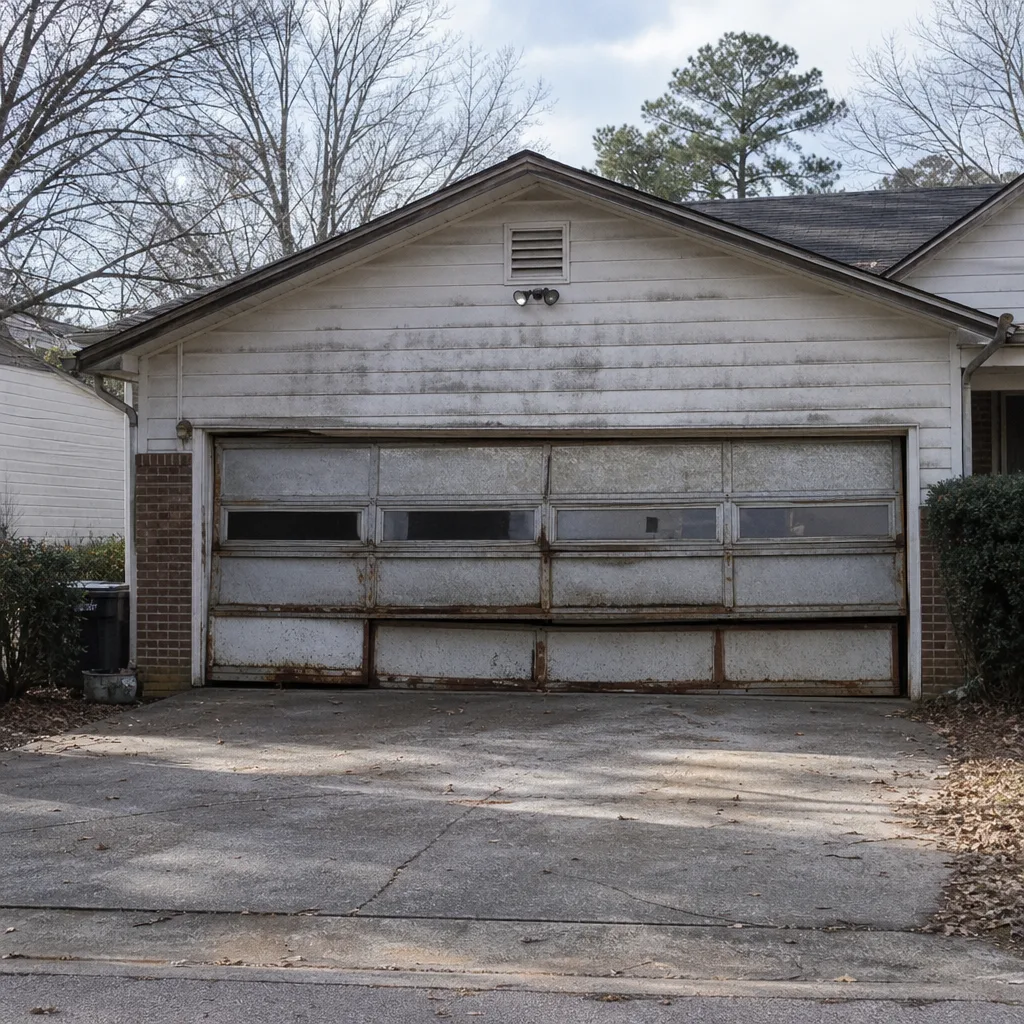
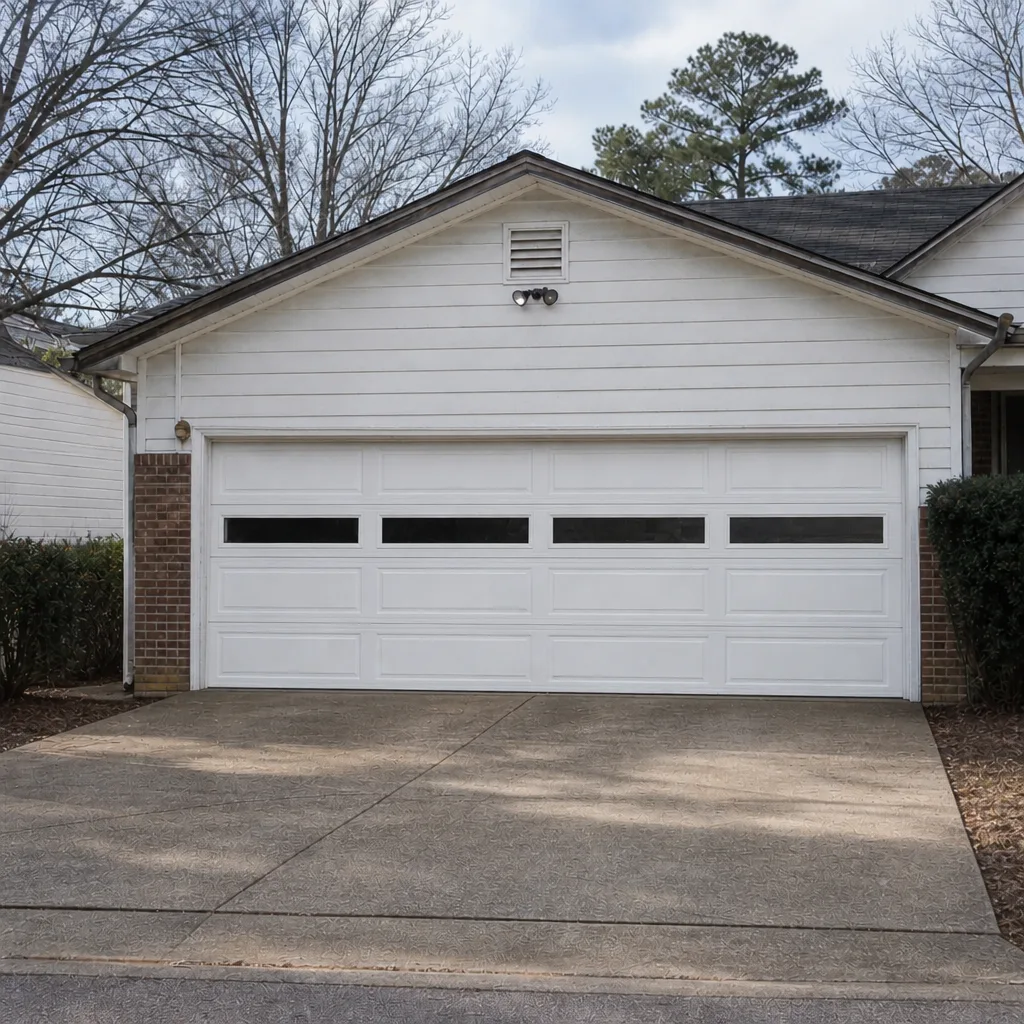
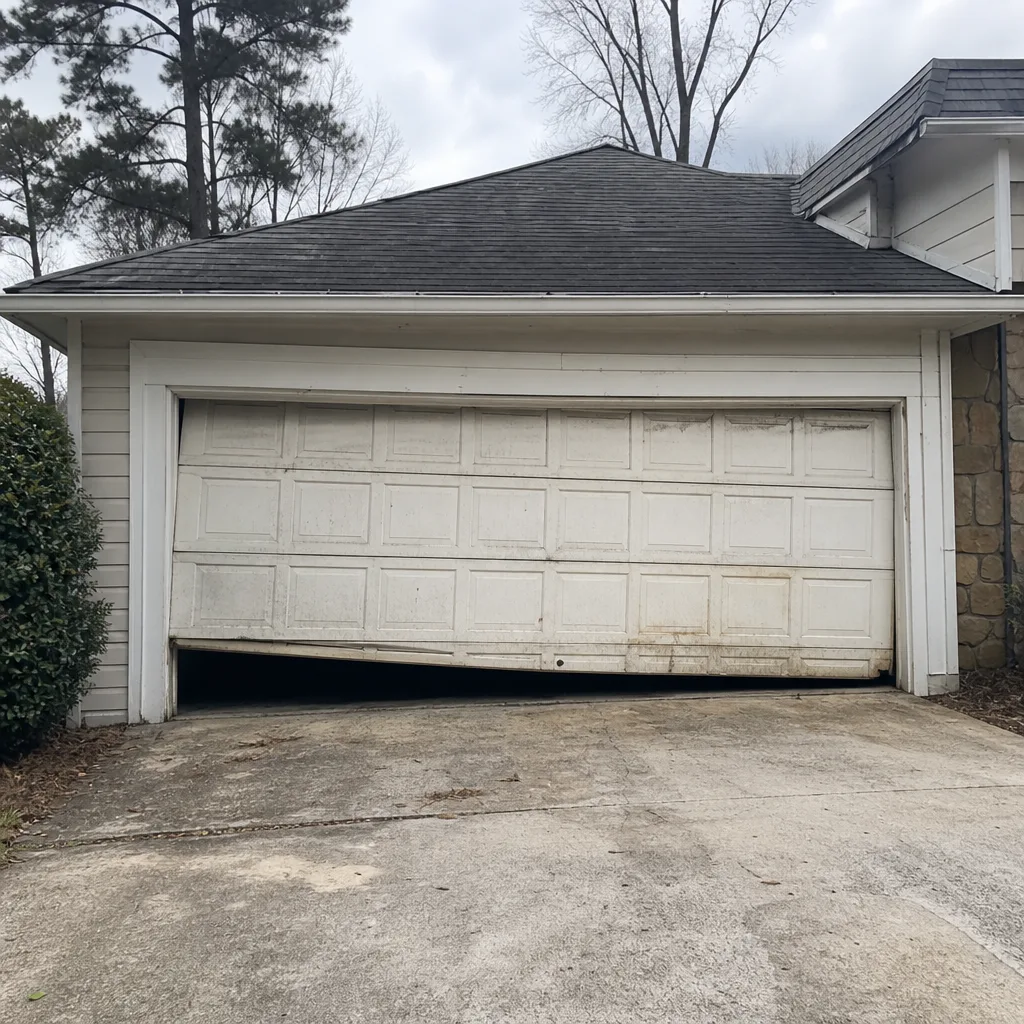
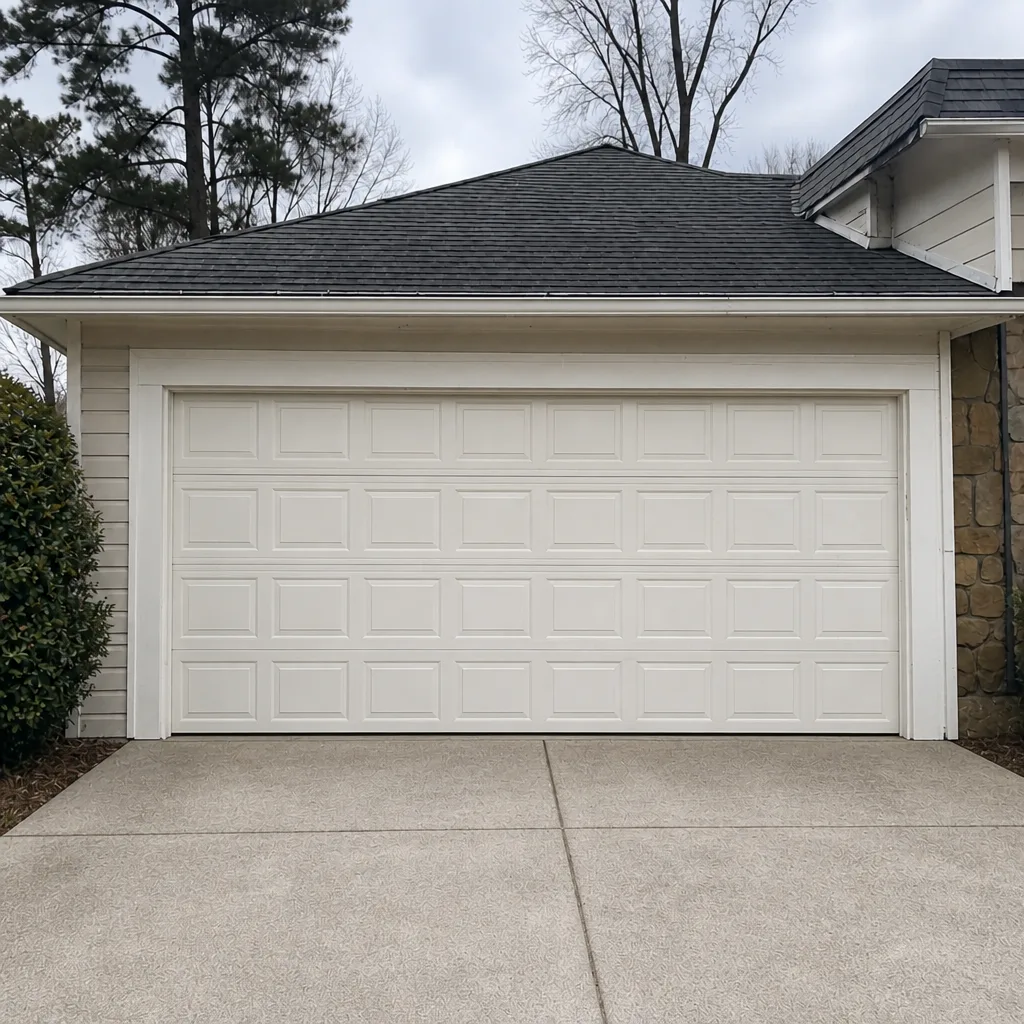
See the difference
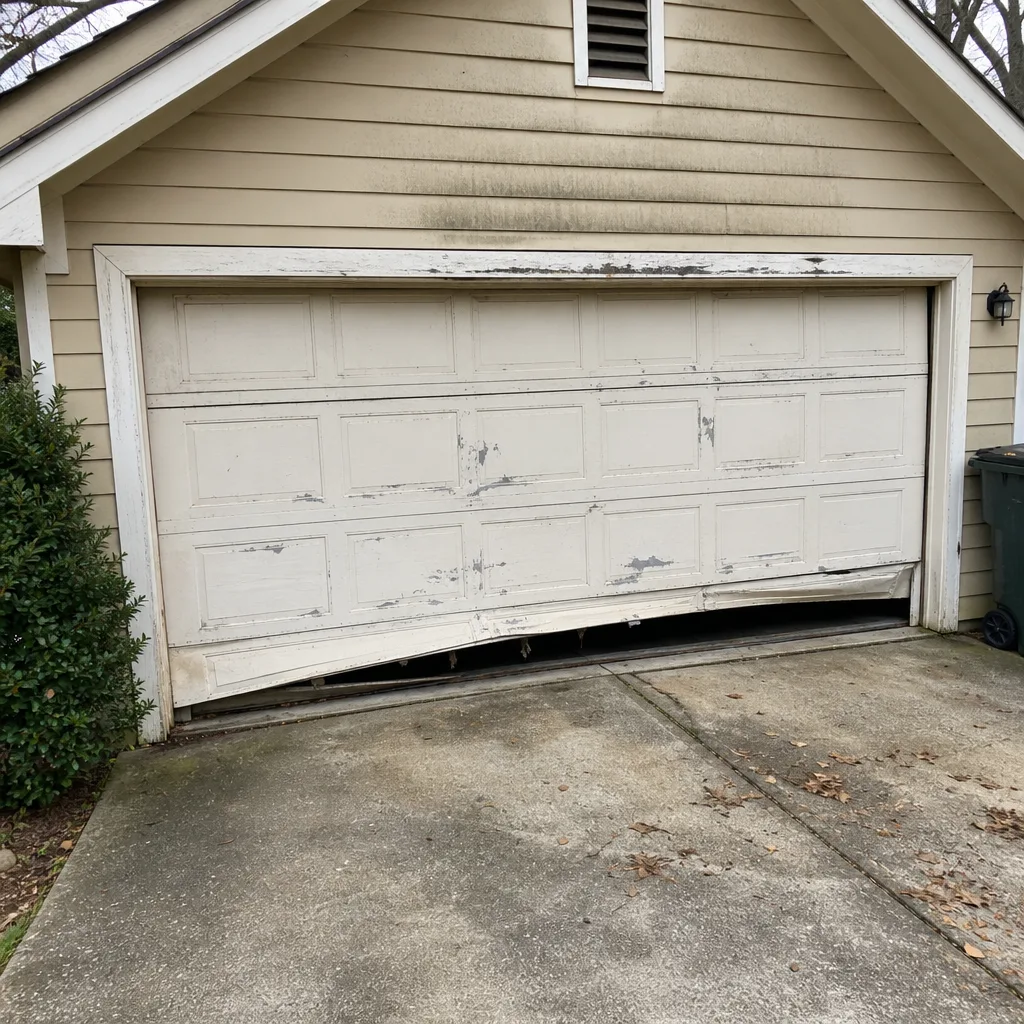 Before
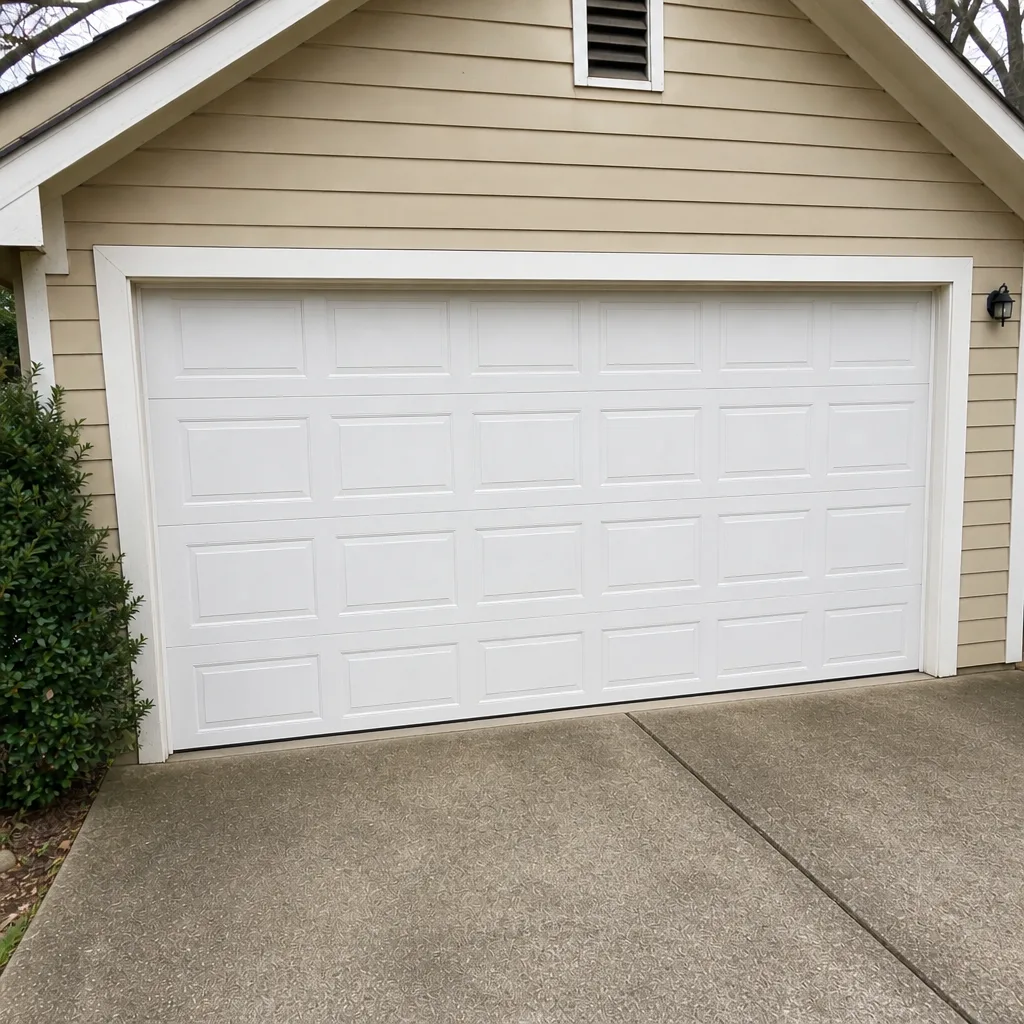 After
 Before
 After
 Before
 After
When to Call a Professional
Some garage door problems are self-solvable with a lubricant and a screwdriver. Others need a technician. Call a professional when the door won’t open or close at all, when you hear a snap or bang from the door system (that’s usually a spring or cable), when the door is off its tracks, when the opener runs but the door doesn’t move, or when you see a visibly bent or broken spring. Call immediately if any of those involve a door stuck open, since your home is exposed until it closes.
We also recommend a professional visit when you’re not sure what’s wrong. A lot of door symptoms get blamed on the opener when the spring has lost tension, or blamed on the spring when a cable has slipped. Getting the diagnosis right the first time is cheaper than two visits. For a door replacement, the decision point is different: most homeowners should call when the door is dented beyond repair, missing panels, or when the opener needs replacement at the same time – because repair and installation under one roof means a single visit and no scheduling gap.
Stonecrest Garage Door Repair offers free estimates in Stonecrest – call (877) 792-7296. We answer 24/7. Fast dispatch from 7am to 7pm, Sunday through Friday. For a new door, we schedule a free measure and a written price instead. Our technicians have up to 11 years of experience working on systems across the eight major residential brands, and they’ll walk you through the diagnosis before touching the door.
Frequently Asked Questions
Spring repair in Stonecrest typically runs $180 to $340 for one spring, and a matched pair usually costs roughly twice that because the two springs are replaced together for balance and safety. Prices vary by spring size, door weight, and the winding configuration on your specific door. Our written estimate sets the final price before any work starts, and estimates are free. Call (877) 792-7296 for an exact quote – estimates are free.
We offer same-day service for repair calls, and emergency garage door service is a core offering, not a referral. We answer 24/7. Fast dispatch from 7am to 7pm, Sunday through Friday. A call outside dispatch hours is booked into the next opening. Call (877) 792-7296 and we’ll get a technician scheduled.
No. The written estimate is the price. If a technician spots something that couldn’t be diagnosed on the phone – a damaged roller, a bent track, a worn cable – we walk you through it and get authorization before touching it. You won’t see a price change invoice for work you didn’t approve. Call (877) 792-7296 to schedule the estimate.
The local pro we connect you with is licensed and insured as their state requires. We vet the technicians who handle our calls, and we can provide a certificate of insurance before a technician arrives. Ask for it when you book. Call (877) 792-7296 with any documentation questions.
We work on LiftMaster, Chamberlain, Genie, Clopay, Amarr, Wayne Dalton, Craftsman, and Raynor systems. If your door is one of those brands, we’re set up for the repair or the replacement. If you’re not sure of the brand, tell us what the opener looks like and what’s on the door panels – we can usually identify it from a description or a photo. Call (877) 792-7296 to confirm your system.
Repair is the right call when the door is structurally sound and the problem is a component – a spring, cable, roller, or opener. Replacement makes more sense when panels are damaged beyond repair, when the door is missing sections, or when the cost of repairs starts approaching the cost of a new door. Replacement also requires a free measure and a scheduled install rather than same-day service, because the door has to be ordered to your opening size. Call (877) 792-7296 to talk through which makes more sense for your door.
What’s the difference between same-day repair and same-day installation?
Same-day repair applies to things like a broken spring, a stuck door, or an opener fault – work that returns the door to operation with parts a technician can reasonably have on hand. Installation is a different process: we take a measure, you select the door and brand, and the door is ordered to your opening size before the install is scheduled. No honest installer promises a same-day install, and you shouldn’t expect one. Call (877) 792-7296 to start with a free measure and a written price.
The Bottom Line
Hiring a garage door contractor in Stonecrest comes down to five questions, a written quote, and a check on whether the technician actually knows the system on your door. The license-and-insurance check is table stakes; the part that separates a good hire from a bad one is whether the person answering the phone can describe your door’s lift type, spring system, and brand without hedging. If they can, they’ll do the repair right the first time. If they can’t, you’re paying them to figure it out in your driveway.
Look for itemized quotes with named parts and grades, ask about paired springs before they arrive, and confirm brand familiarity up front. That’s the whole playbook, and it’s the standard we hold ourselves to on every Stonecrest call. Our technicians have up to 11 years of experience across the eight major door and opener brands, and we’ll quote in writing before any work begins. If you’d rather skip the vetting and just get the door fixed, we’re one call away.
Call Stonecrest Garage Door Repair at (877) 792-7296 for a free estimate on repair, spring replacement, opener service, or a new door installation. We answer 24/7. Fast dispatch from 7am to 7pm, Sunday through Friday. The written estimate is the price, and it doesn’t change once you’ve agreed to it.
For repair calls, we also handle emergency work when a door fails unexpectedly. If you’re comparing shops in Stonecrest Garage Door Repair for any of it, we’re set up to handle the whole arc from the first spring swap through a full installation without bouncing you to a second company mid-job.
Written by the team at Stonecrest Garage Door Repair.