
Last updated November 23, 2026
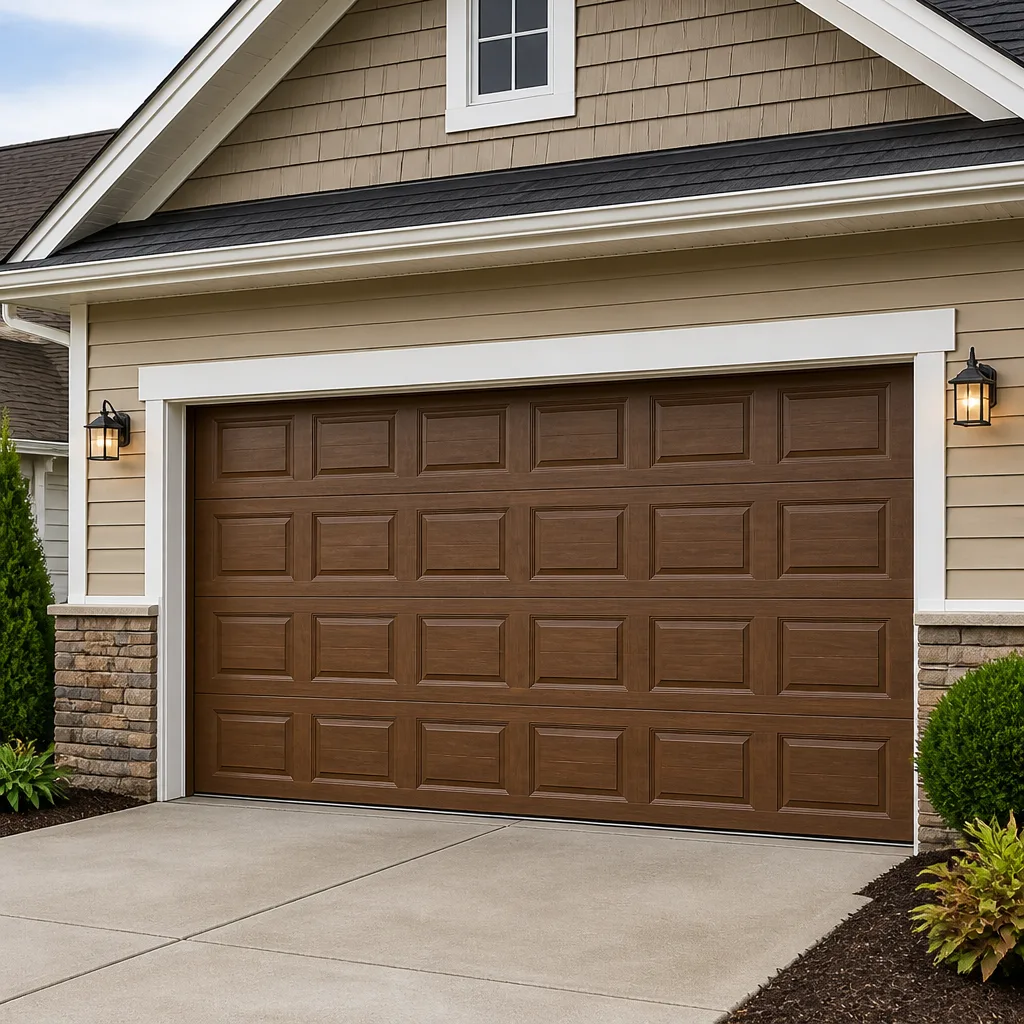 Raised-panel steel
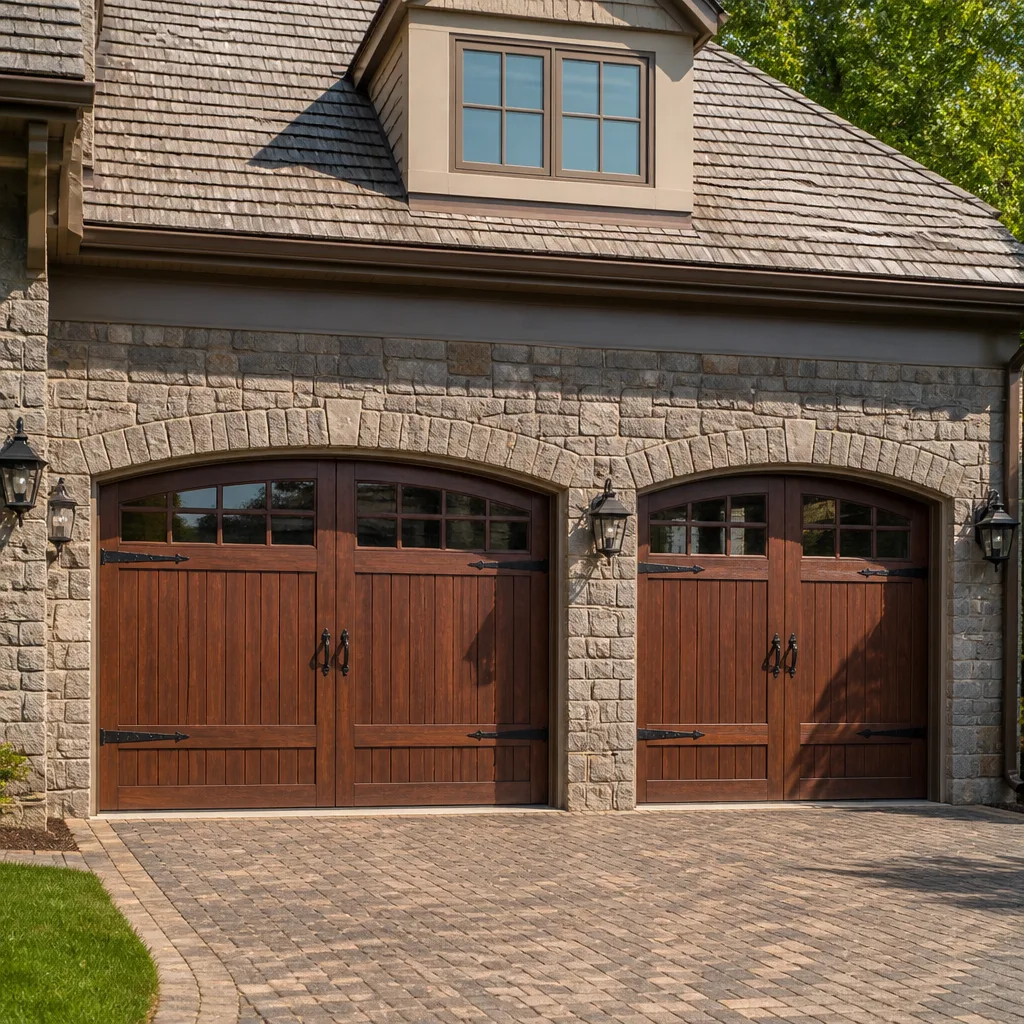 Carriage house
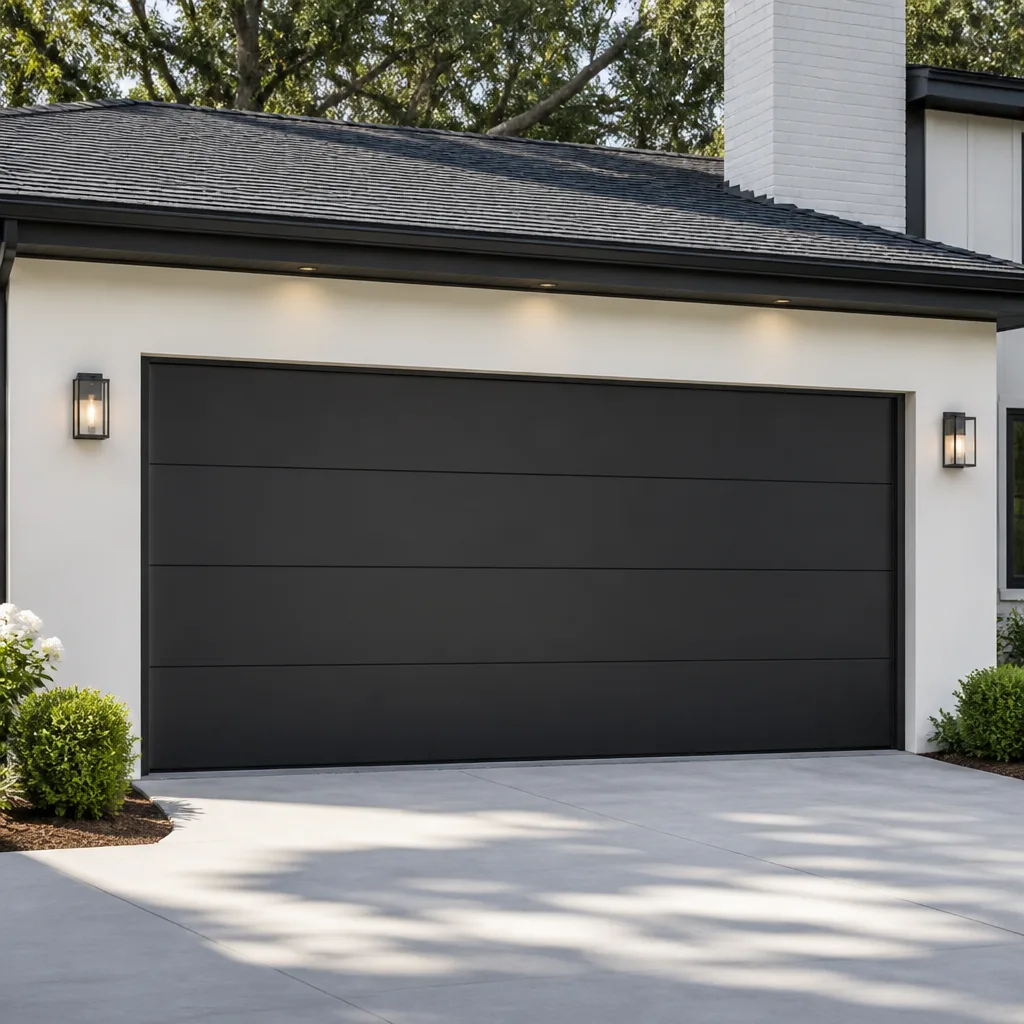 Modern flush
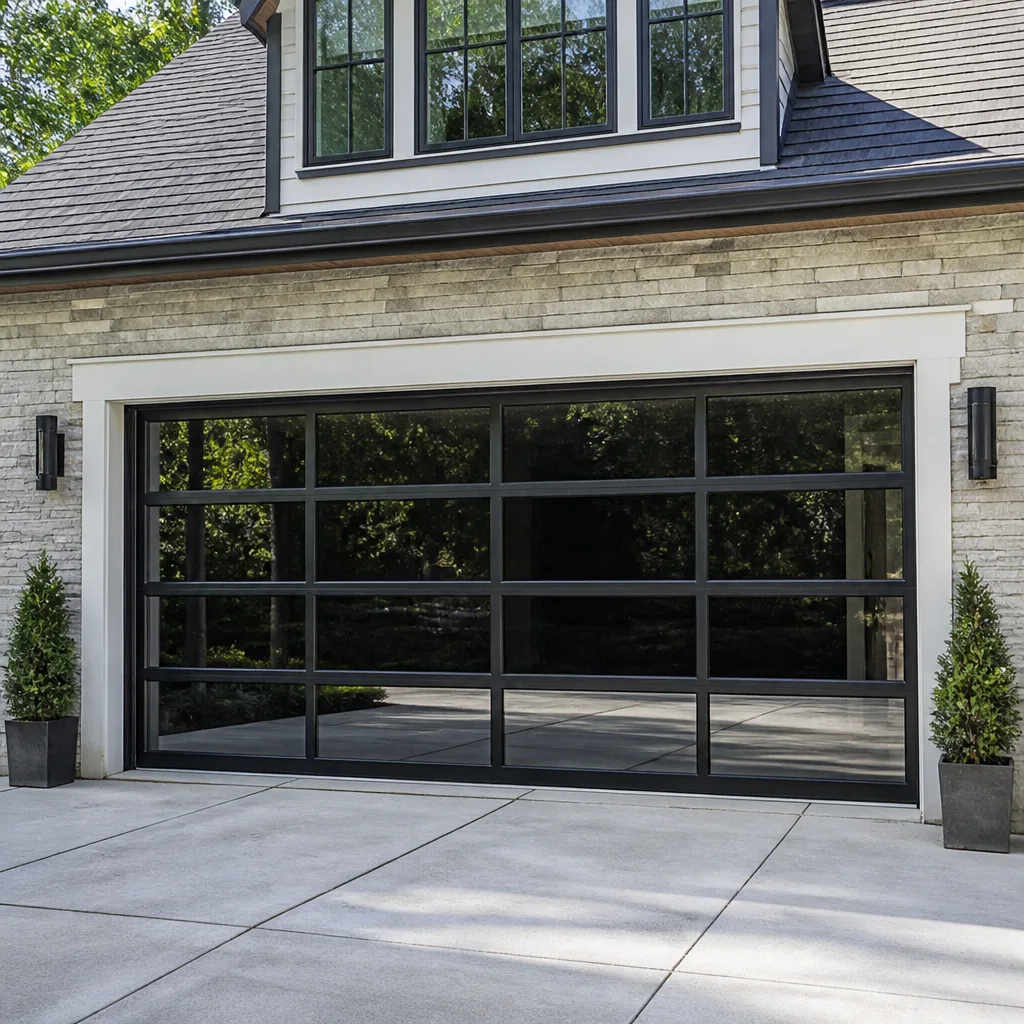 Full-view glass
 LiftMaster openers
 Chamberlain openers
Full 25-point door and opener safety check with every visit - springs, cables, rollers, tracks, and your LiftMaster or Chamberlain opener included
You get a price before we start. It does not change when the pro arrives.
Get your free estimateGarage Door Repair Maintenance Checklist for Stonecrest Homeowners
Most garage door maintenance checklists are ordered wrong. They start with wiping down panels and tightening a few bolts because those steps are easy and safe, then bury the parts that actually fail at the bottom. In our experience, the number-one thing homeowners skip is the cable drum, not because it’s hard to inspect but because every generic guide puts it last. That ordering costs you money, because the parts that fail first are the ones you want to catch first. This guide is sequenced around failure probability for the doors common in Stonecrest, where the mix of newer subdivisions and 10-to-20-year-old homes means plenty of original springs, rollers, and openers still in service. You’ll learn what to check safely, what to leave alone, and when a small noise is telling you something expensive is coming.
Quick Answer
A garage door maintenance checklist for Stonecrest should inspect components in failure order: springs, cables and drums, rollers, hinges and tracks, then the opener and its safety reverse. Check monthly for noise and balance, lubricate moving metal twice a year, and test the auto-reverse force monthly. Stonecrest’s temperature swings from humid summer afternoons to occasional winter freezes are why a fall and spring adjustment matters more here than a single annual once-over.
Styles & brands we work with
- Raised-panel steel
- Carriage house
- Modern flush
- Full-view glass
- LiftMaster openers
- Chamberlain openers
Table of Contents
- Why Failure Order Beats a Generic Checklist
- Visual Inspections You Can Do Safely
- Springs, Cables, and Cable Drums: What to Look At, Never Touch
- Lubrication Points Most Guides Get Wrong
- The Auto-Reverse Force Test That Catches Opener Decline
- A Seasonal Adjustment Calendar for Stonecrest’s Climate
- What a 10-to-20-Year-Old Door Needs That a New One Doesn’t
- Opener and Brand-Specific Checks
Why Failure Order Beats a Generic Checklist
A garage door is a system under constant tension, and its parts don’t wear evenly. Torsion springs cycle thousands of times a year and are the most common failure point by far. Cables fray and drums work loose under load. Rollers flat-spot. Hinges loosen. The opener motor is usually the last thing to give out, but its early decline shows up in strained force tests long before it dies. If your checklist follows that order, you find the high-probability problems first.
Here’s the failure probability ranking we see on Stonecrest doors, highest to lowest:
- Torsion or extension springs – the single most common failure and the most dangerous to ignore.
- Cables and cable drums – frayed cables and loose drums precede snapped cables.
- Rollers – nylon rollers flat-spot and steel rollers seize, creating drag the opener has to fight.
- Hinges and track – loosened hinges and misaligned track cause binding and uneven travel.
- Opener motor and drive – gears, belts, chains, and logic boards decline last and worst.
This ranking matters because a door that “feels heavy” could be a spring at the end of its life, a seized roller, or an opener on its way out. Checking in order tells you which. Stonecrest sees this constantly on doors that hadn’t been looked at in years, where one worn roller was quietly straining the opener toward failure. If you’d rather have a trained eye go through the ranking with you, our garage door repair service starts with a full inspection.
Visual Inspections You Can Do Safely
Most of what a checklist catches is visual, and you can do it without touching a spring or a cable. A visual inspection should take about ten minutes and should be done from the floor with the door closed. Watch for fresh metal shavings under the door, uneven gaps along the floor, or a door that looks crooked in the opening – those are all signals that something is under strain.
Run through these checks:
- Springs: look for a gap in the coil, a stretched or tangled extension spring, or rust streaks. A visible gap in a torsion spring means it has broken – stop using the door.
- Cables: glance at the cables running along the sides. Fraying, kinks, or a cable off its drum are all stop-using-door signals.
- Rollers: check that rollers sit straight in their hinges. A roller sitting crooked or chipped is a drag point.
- Hinges and tracks: look for loose hinge screws and dents or bends in the track. Never bend track back into shape by hand – a bent section wants a professional.
- Weather seal: the rubber seal at the bottom should touch the floor evenly. Light leaking under one corner means the door is out of balance or the floor has settled.
- Panels: look for dents, cracks, or separation between sections.
A lot of homes in Stonecrest have doors with panels from builders like Clopay and Amarr still going strong two decades in. Panels usually outlast the hardware behind them, so a door that looks fine can still be running on worn springs and rollers. That’s why the visual pass is step one, not the whole job.
Springs, Cables, and Cable Drums: What to Look At, Never Touch
Springs, cables, and drums are where the real money and the real danger live. A torsion spring holds the full weight of the door under extreme tension. When one breaks, it releases that energy instantly. A cable under load can whip with enough force to cause serious injury. This is a look-only zone for homeowners, and no checklist should ever suggest otherwise.
What you can safely do:
- Look for a visible gap in a torsion spring coil, which means it’s broken.
- Check extension springs for stretching or tangling.
- Look for cable fraying or a cable that has jumped off the drum.
- Note any cable drum that looks loose, wobbly, or out of alignment.
- Watch for the door hanging crooked or not closing level, a sign a spring or cable has let go on one side.
What you should never do:
- Never try to wind, unwind, or adjust a torsion spring yourself.
- Never cut or remove a cable.
- Never reach into the drum area to “check” anything.
- Never operate a door with a broken spring or a cable off its drum.
The cable drum is the step every generic guide buries at the bottom, and it deserves top billing. A loose drum means a cable is already at risk, and a snapped cable can drop a door. This is exactly the repair our team treats as a specialty. Broken spring? That’s what garage door spring repair exists for, and it’s a job for a trained technician, not a weekend project. Springs and cables are the two components where a professional call is worth every dollar. If you see any of the warning signs above, stop and call before using the door again.
Lubrication Points Most Guides Get Wrong
Lubrication is where well-meaning advice does the most damage. The classic mistake is spraying WD-40 or a general-purpose oil on every moving part. That works against you: a thin solvent-based spray attracts dust, thins the correct lubricant, and can degrade nylon rollers. Nylon rollers are common on newer Stonecrest doors, and they should stay dry – no oil, no silicone, nothing. Lubricating a nylon roller does nothing useful and can make it brittle over time.
Here’s what to lubricate and with what:
- Hinges: a drop of white lithium grease or a silicone-based lubricant on the pivot points, once or twice a year.
- Steel rollers (only): a light grease on the bearing, sparingly. Nylon rollers get nothing.
- Track: a very light silicone spray along the inside of the track, never grease – grease traps grit and creates a paste.
- Chain drive (if your opener uses one): chain-specific lubricant, not oil.
- Springs: a light spray on torsion springs is acceptable, but never wind or loosen them to do it.
Avoid: WD-40 as a general lubricant, cooking oil, motor oil on the tracks, and anything applied to nylon rollers. A 10-to-20-year-old door in Stonecrest often has a mix of newer rollers and original hinges, so check what each component actually is before you lubricate it. A dry, squeaky door is usually telling you a roller or hinge wants attention – not that the whole track needs greasing.
The Auto-Reverse Force Test That Catches Opener Decline
The auto-reverse force test is the single most useful homeowner check, and most people never do it. Garage doors installed after 1993 are required to have an auto-reverse safety feature, and the test confirms it still works. More importantly, it’s a leading indicator of opener motor decline: a motor that’s straining shows up as a door that won’t reverse under the correct force, long before it fails outright.
To run the test, place a solid object like a 2×4 flat on the floor in the door’s path, then close the door. It should reverse immediately on contact. If it doesn’t, or if it presses the door down hard before reversing, the force setting or the motor needs attention. Do the same test with the safety sensors: stand in the door’s path and break the sensor beam with your leg – the door should stop and reverse. If either test fails, stop using the door and get it looked at.
One test result worth knowing: a door that reverses on the object test but only barely – a soft, slow reverse – usually means the opener is working harder than it should. That strain is often caused by a worn roller, a loosened hinge, or a spring past its prime rather than the motor itself. Catching it here keeps you out of an emergency call later. On Stonecrest doors with LiftMaster or Chamberlain openers, the force setting is adjustable through the unit’s logic board, and a technician can dial it back in minutes once the underlying drag is diagnosed. Every so often the drag points to the opener gearing itself, and that’s where garage door opener repair takes over. Run this test monthly; it’s the best early-warning system you’ve got.
A Seasonal Adjustment Calendar for Stonecrest’s Climate
Stonecrest’s weather is not extreme, but it’s not flat either. Summer brings heat and humidity. Winter brings occasional hard freezes and a few nights that drop below freezing. Those cycles expand and contract metal, and each swing puts a little more stress on springs, cables, and hinges. A generic “hot/cold” checklist misses this; here’s a calendar tied to what actually happens in the area.
- Early spring (March-April): the season of pollen and temperature swings. Lubricate hinges, check the auto-reverse force test (cold winter settings can drift), and inspect for rust on springs. Pollen and grit collect on tracks – wipe them down before summer.
- Late spring (May): the door has had a full thermal cycle. Look at rollers and hinges for loosening and run a full visual pass.
- Summer (June-August): heat and humidity are the story. Wood and some composite doors can swell; check that the door still seats evenly at the floor. Nylon rollers and steel tracks expand differently – listen for new squeaks.
- Early fall (September-October): the best time to do your main lubrication and full inspection before the cold.
- Late fall (November): before the first freeze, confirm the auto-reverse still works and that the weather seal is intact.
- Winter (December-February): occasional freezes stiffen everything. Listen for the opener working harder on cold mornings; that’s normal to a point, but a persistent strain means a drag point has developed.
Do the big checks in early spring and early fall, and a quick visual and force test monthly in between. That’s a two-to-four session year, and it’ll catch most of what would otherwise turn into an emergency call on a cold Stonecrest morning.
What a 10-to-20-Year-Old Door Needs That a New One Doesn’t
Most Stonecrest subdivisions were built 10 to 20 years ago, and many of those doors are still on their original springs, rollers, and openers. A newer door mostly needs lubrication and a force check. An older door needs a different checklist, because its parts are at or past their design life. Torsion springs typically last a certain number of cycles, not years, and an everyday-use door hits that limit somewhere in that window.
For a 10-to-20-year-old door, add these to your regular checks:
- Springs: count the cycles, not the years. A broken spring is usually a when, not an if, at this age. Spring repair should be a planned call before it’s an emergency one.
- Cables: original cables at this age are more likely to have frayed. Check them every spring.
- Rollers: worn rollers are common. Replacing them is cheap and takes strain off the opener.
- Weather seal: original seals harden and crack. Sun and heat in Stonecrest speed this up. A cracked seal lets water and pests in.
- Opener: original openers from this era – often a Genie or a Craftsman – are nearing end of life. That’s when the force test earns its keep.
At this stage, repair and replacement start to compete. A door worth repairing usually just needs the hardware refreshed; one with damaged panels and a tired opener may be ready for a replacement. That’s a conversation worth having before you spend on repairs that don’t fit the door’s remaining life.
Opener and Brand-Specific Checks
Openers aren’t all the same, and the checklist needs to match what’s actually on your ceiling. We work on the eight brands you’re most likely to find on a Stonecrest door, so the checks below map to real systems rather than generic advice.
For your opener, regardless of brand:
- Safety sensors: confirm the sensors are aligned and the beam breaks correctly. A misaligned sensor is the most common reason a door won’t close at all.
- Force and travel limits: run the object test monthly. If the door reverses on contact but not on a second attempt, the force setting has drifted.
- Battery backup (if fitted): test it a couple of times a year, since it usually only fails when you need it.
- Lubrication: chain-drive units need chain lubricant; belt and screw-drive units differ. Don’t oil a belt.
Brand matters for the details. Chamberlain and LiftMaster units often ship with myQ smart-home integration, which means the connection status and any app faults are worth checking when the door behaves oddly. Genie and Craftsman units have their own travel-limit procedures. If your opener is a smart unit, test the app and the wall button – a door that responds to one but not the other is a symptom, not a dead unit. When the diagnosis points past a force adjustment, we’re set up for opener repair across that full spectrum, from basic chain-drive units to Wi-Fi-enabled openers. Either way, the door and the opener get looked at together, since a drag in the door is usually the real culprit behind an opener that “seems” to be failing.
Common Mistakes to Avoid
- Starting with the panels. Wiping down panels feels productive, but it finds nothing that fails. Start with springs, cables, and drums, then work toward the opener.
- Using WD-40 as a garage door lubricant. It’s a solvent, not a lubricant. On Stonecrest doors with nylon rollers, it degrades the rollers and attracts grit to the tracks.
- Forcing a door with a broken spring. Running the opener on a door with a broken spring overtaxes the motor and can drop the door. Stop and call.
- Skipping the auto-reverse test. It’s the cheapest early warning you have, and most homeowners have never run it once.
- Ignoring the force test when it “just barely” passes. A slow, soft reverse is often the first sign an opener is straining against a drag point.
- Doing one annual check and calling it done. In Stonecrest, the temperature swings make a spring and fall pass necessary, not optional.
- Greasing nylon rollers. It does nothing useful and can shorten roller life. Nylon rollers stay dry.
See the difference
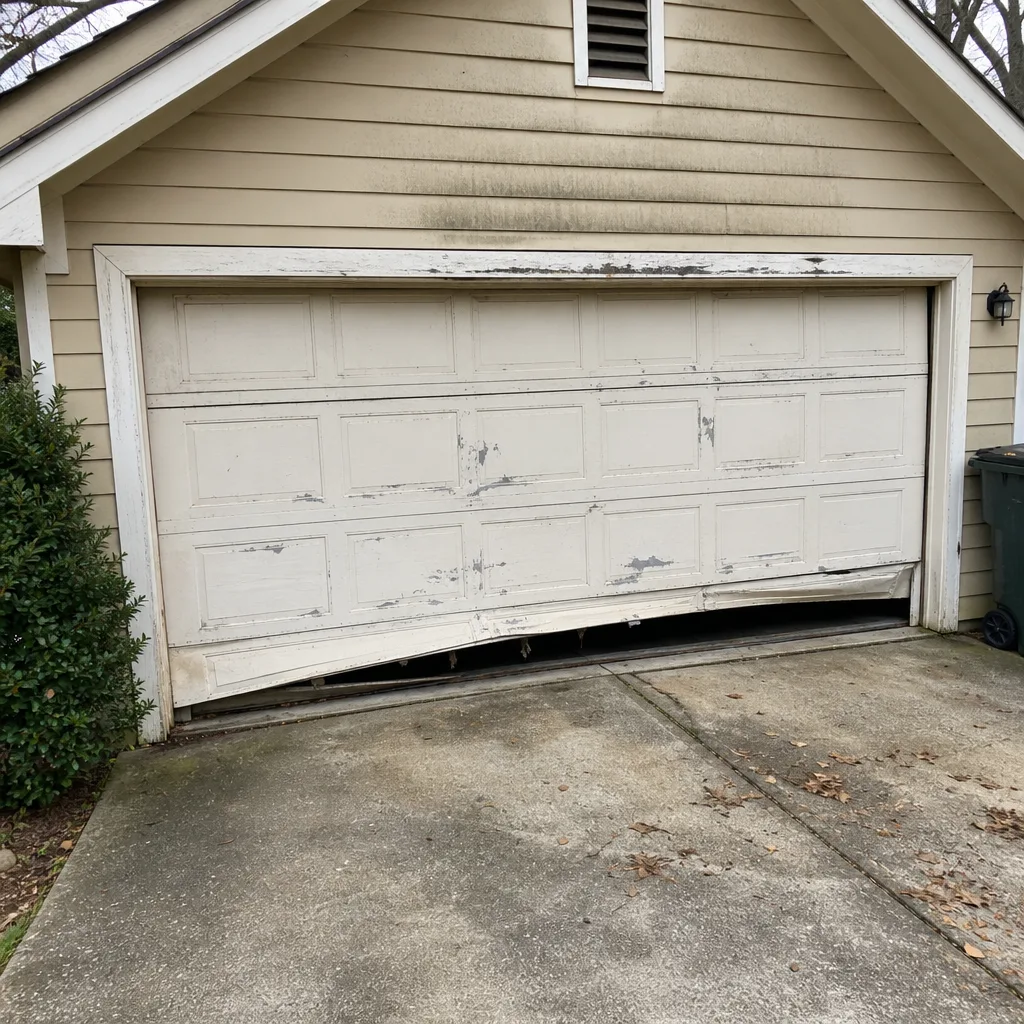 Before
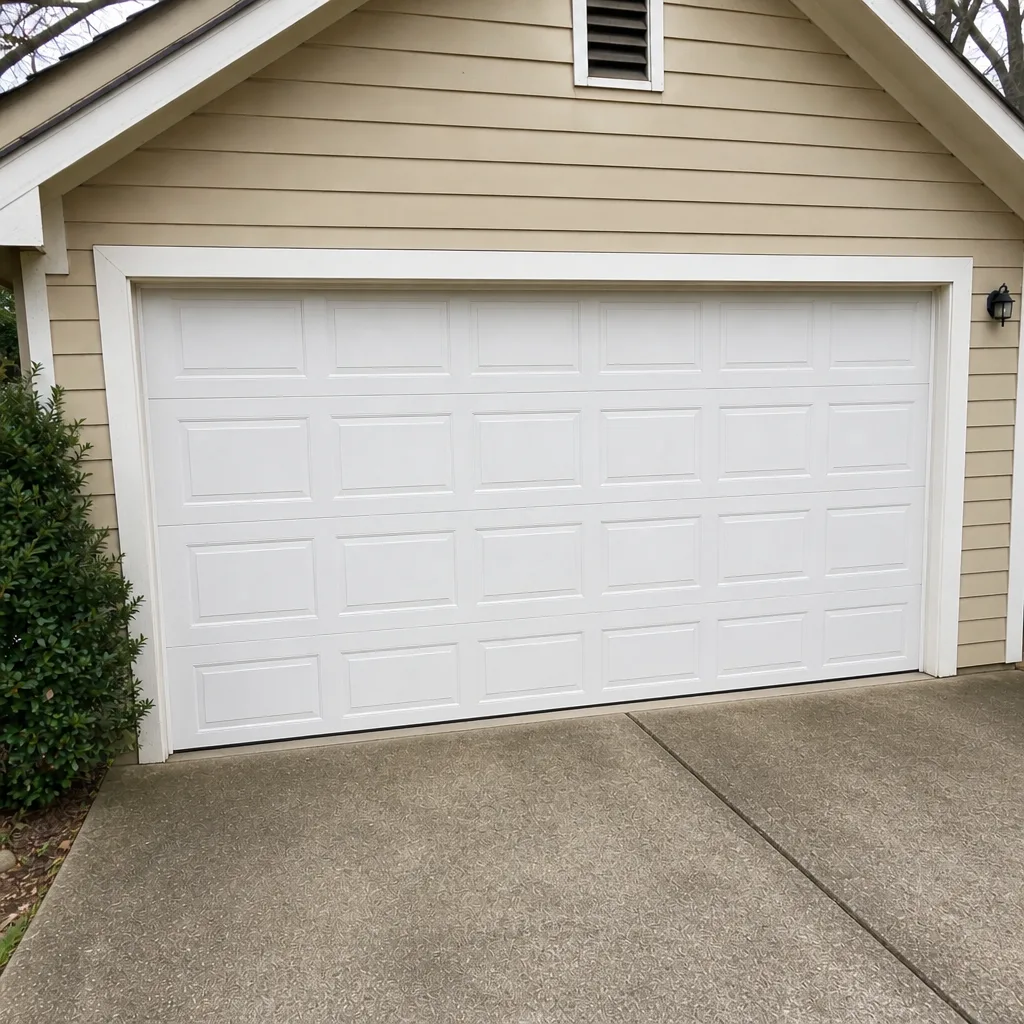 After
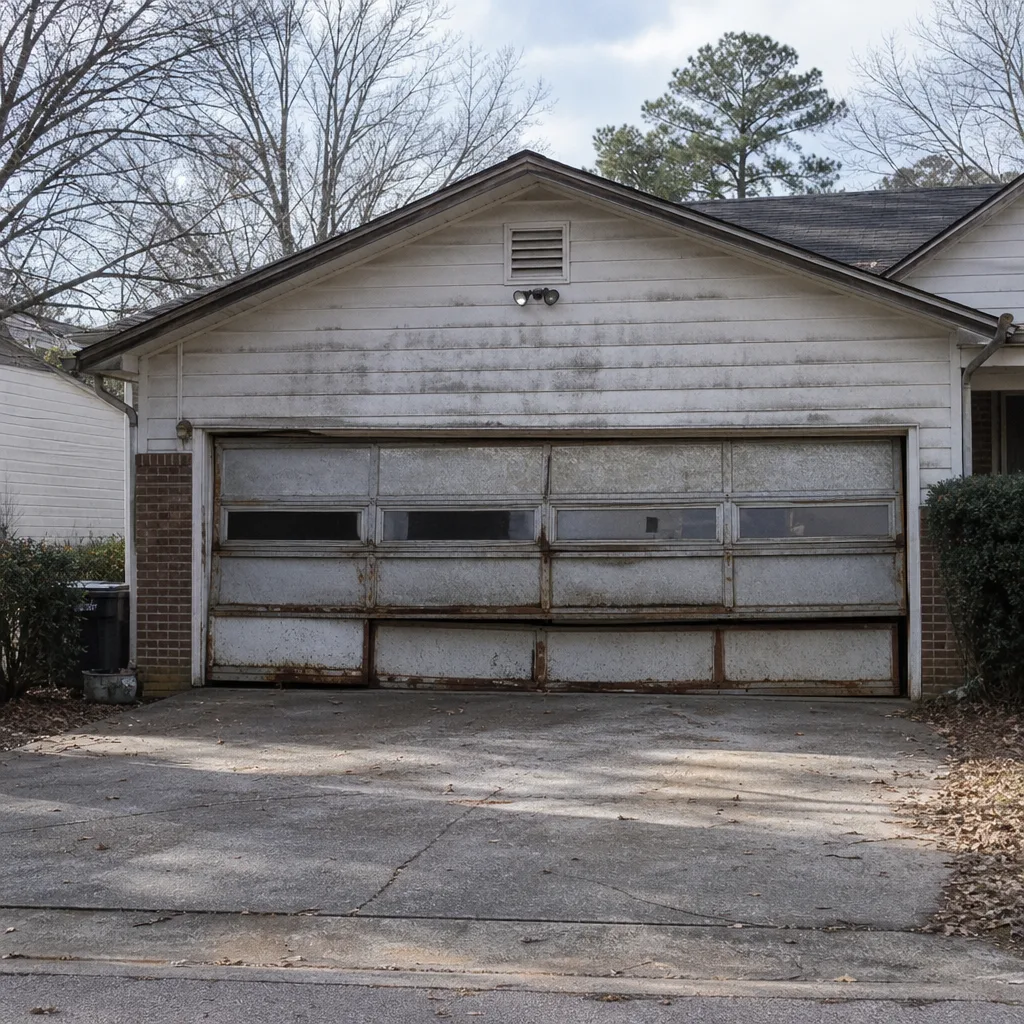 Before
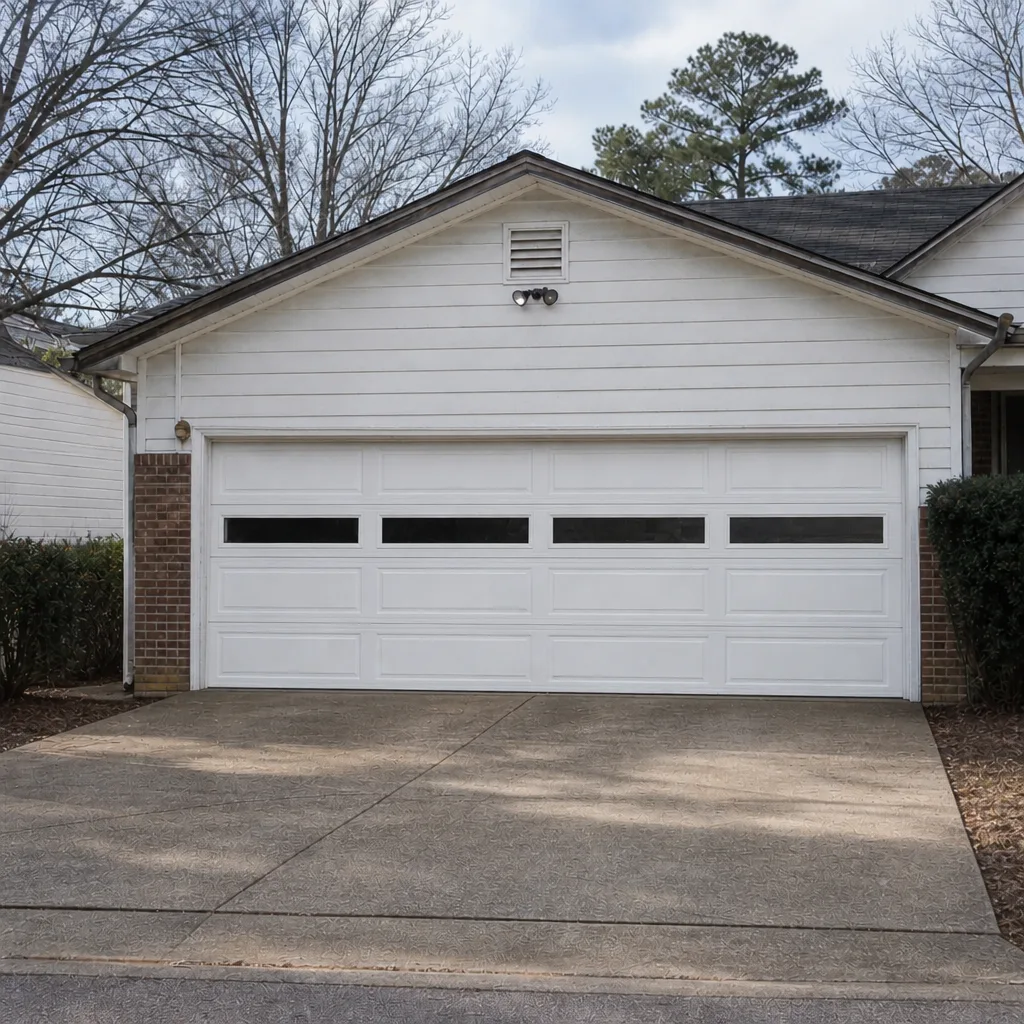 After
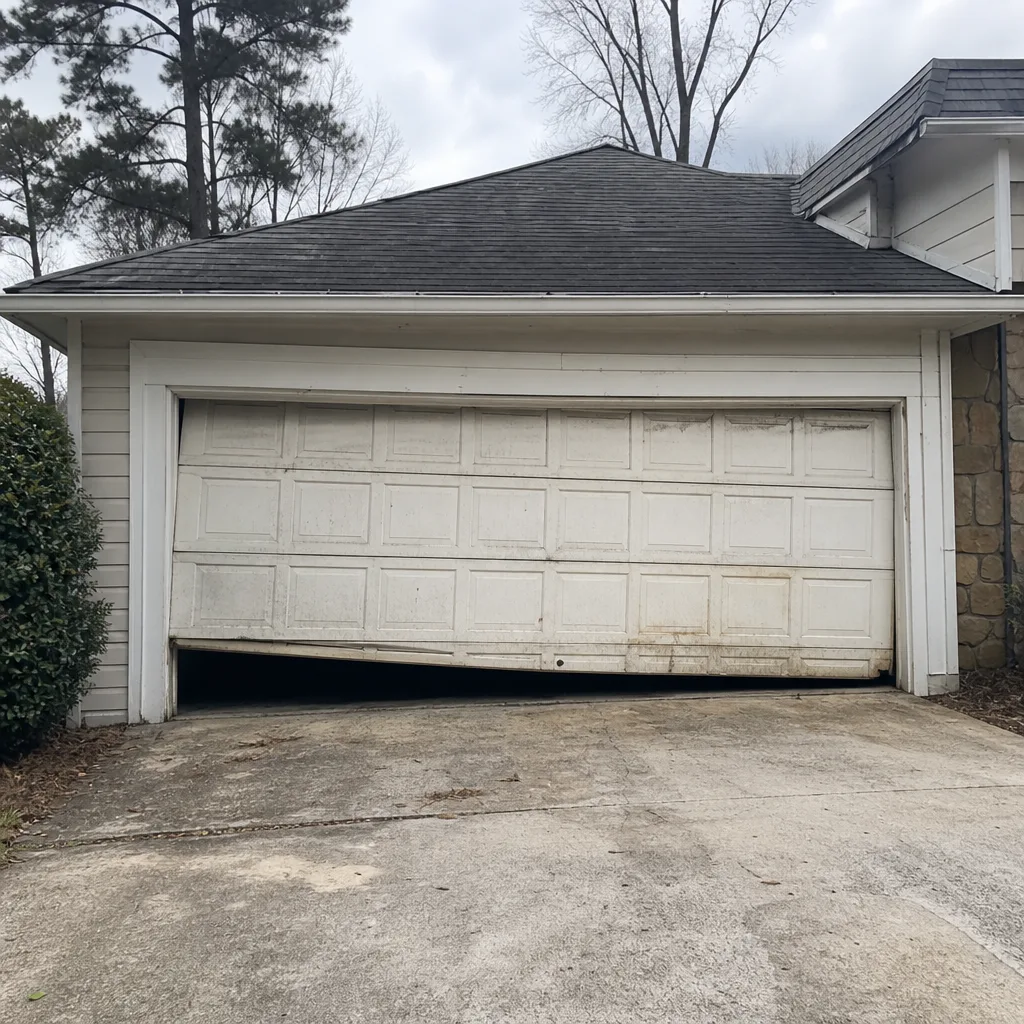 Before
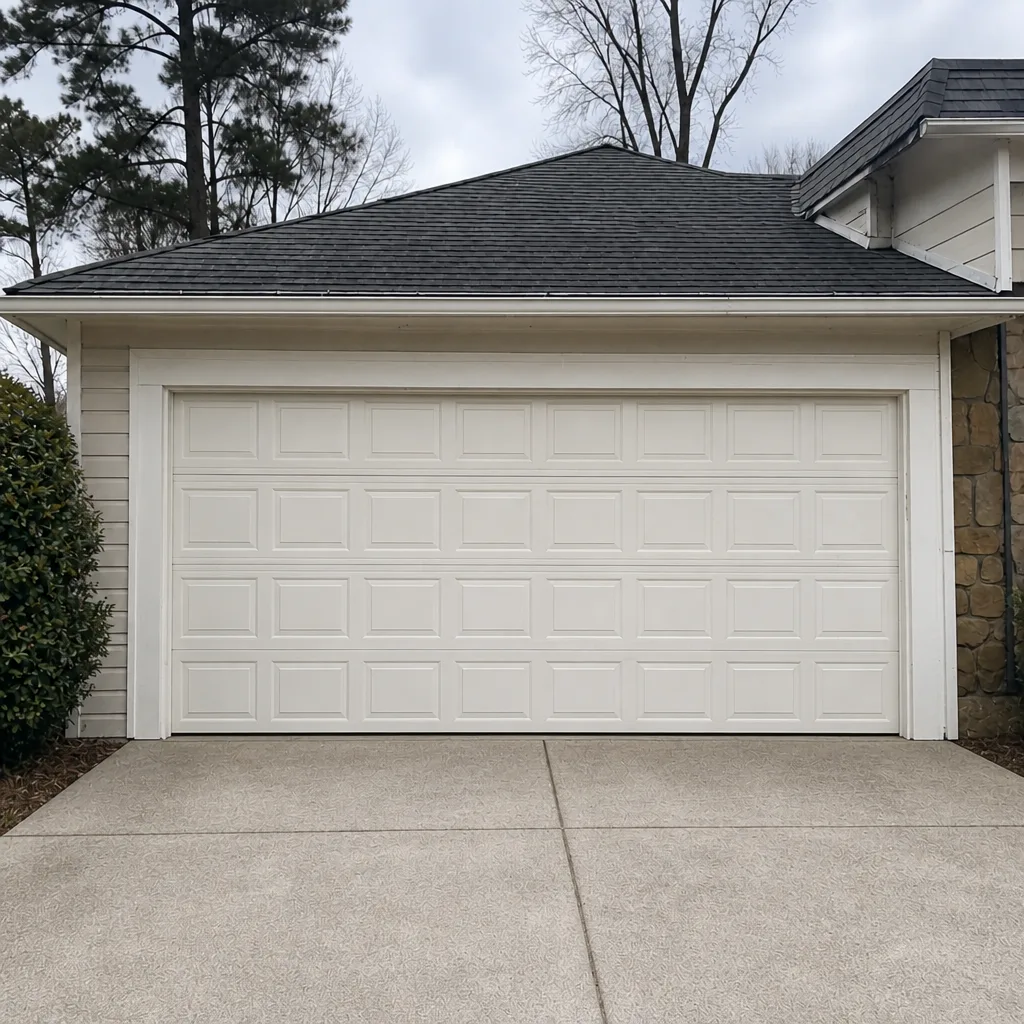 After
When to Call a Professional
Some things are worth a professional call without hesitation. A broken spring, a cable that’s frayed or off its drum, a door that hangs crooked, or a door that won’t close all reverse at once are all stop-using-door signals. Any door that reverses hard or doesn’t reverse at all is a safety issue. And any opener fault that survives a force and sensor check deserves a trained eye. The tricky part is the borderline case: a noisy door, a slow close, a door that “feels heavy” but still moves. Those are exactly the situations where catching a worn roller or a tired spring early is cheaper than waiting. Stonecrest Garage Door Repair offers free estimates in Stonecrest – call (877) 792-7296. We answer 24/7. Fast dispatch from 7am to 7pm, Sunday through Friday. Our technicians have up to 11 years of experience across the brands on your door, so nothing gets guessed at.
Frequently Asked Questions
Once monthly for the visual and auto-reverse test, and twice a year for a full lubrication and inspection pass. Stonecrest’s temperature swings from humid summers to occasional winter freezes make a spring and fall pass the minimum; the monthly checks catch drag points before they become emergency calls. Call (877) 792-7296 for a free estimate if anything looks off.
You can spray a light coat on a torsion spring without touching the windings, but never wind, loosen, or adjust a spring yourself. A torsion spring holds the full weight of the door under extreme tension, and a broken spring or cable can cause serious injury. If you see a gap in the coil or a frayed cable, stop using the door and call a professional. Estimates are free at (877) 792-7296.
Reversing without contact is usually a misaligned or dirty safety sensor. Wipe the sensor lenses and check they’re squarely aligned and facing each other before assuming the opener is failing. If they’re clean and aligned and the door still reverses, the force setting or motor may be at fault. Call (877) 792-7296 for a free estimate if it doesn’t clear.
A gap in the coil, rust streaking on the spring, or a door that feels unusually heavy when you lift it manually are the earliest signs. Springs usually give no more than a day or two of warning before they break, and an everyday-use door at 10 to 20 years is approaching that point. That’s why spring repair is worth a planned call. Estimates are free – call (877) 792-7296.
Only steel rollers get a light grease, and nylon rollers get nothing at all. Nylon rollers are common on newer Stonecrest doors, and oiling them does nothing useful and can shorten their life. When in doubt, check whether the roller is nylon or steel before you lubricate. If you’re not sure, call (877) 792-7296 for a free estimate.
Same-day spring repair is often possible. Springs are among the most common failures we handle, and we keep the process moving so you can get back up and running. The price is quoted and agreed before any work starts, and the written estimate sets the final price. For an exact quote, call (877) 792-7296 – estimates are free.
The Bottom Line
The order of your checklist matters more than the length of it. Springs and cables fail first and cost the most when ignored; rollers and hinges wear next; the opener usually declines last but shows strain in its force test long before it dies. Lubricate the right parts with the right products, run the auto-reverse test monthly, and do your two big passes in early spring and early fall to match Stonecrest’s temperature swings. A 10-to-20-year-old Stonecrest door may already be due for new springs and rollers, which is a small planned call versus an emergency one. Start with the highest-probability failure and work backward. When anything looks past a quick fix, a free estimate is the simplest next step.
One company can carry you from that first inspection through repair, opener work, and a full new installation when the time comes. Whether it’s a snapped spring, a dead opener, or a door that’s simply due, Stonecrest Garage Door Repair is built to handle it. Call (877) 792-7296 for a free estimate. We answer 24/7. Fast dispatch from 7am to 7pm, Sunday through Friday. Our technicians have up to 11 years of experience working on LiftMaster, Chamberlain, Genie, Clopay, Amarr, Wayne Dalton, and Craftsman systems, so your brand isn’t a question mark.
Written by the team at Stonecrest Garage Door Repair.