
Last updated November 23, 2026
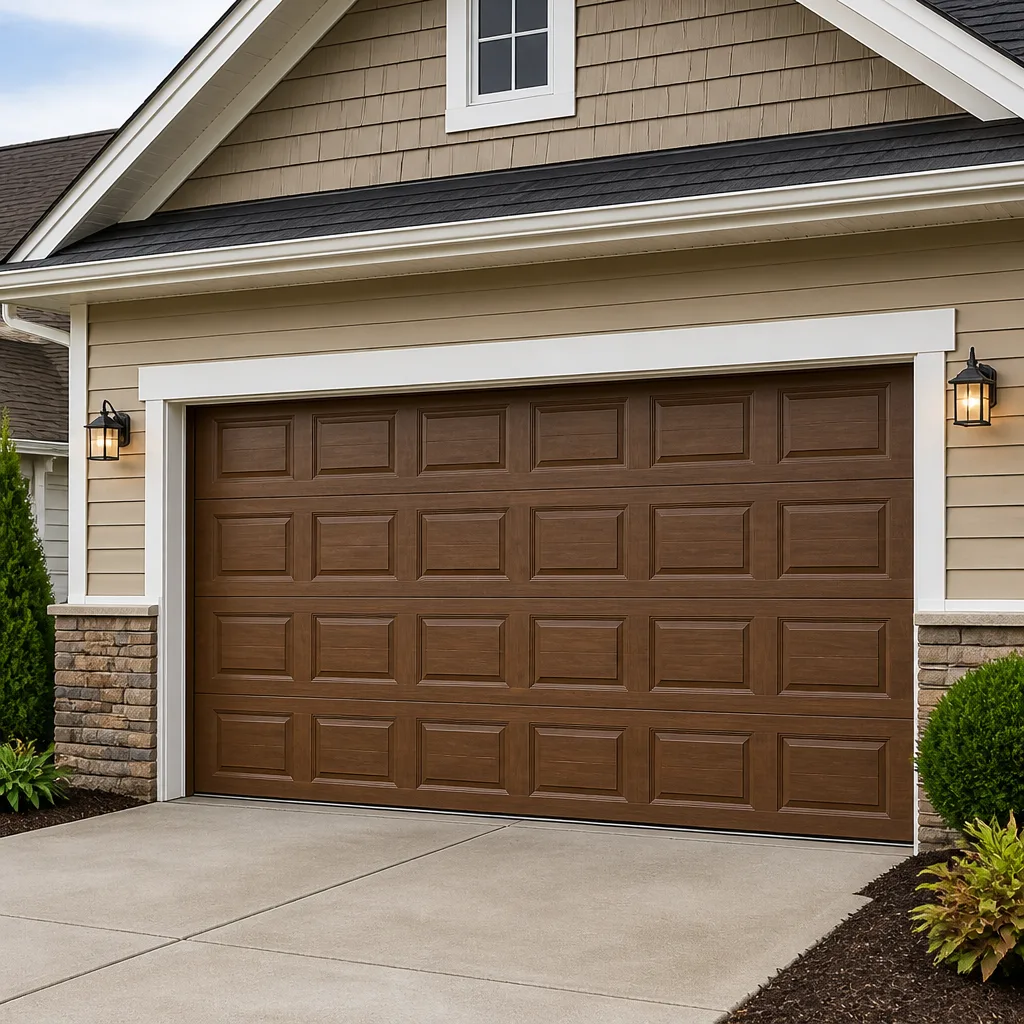 Raised-panel steel
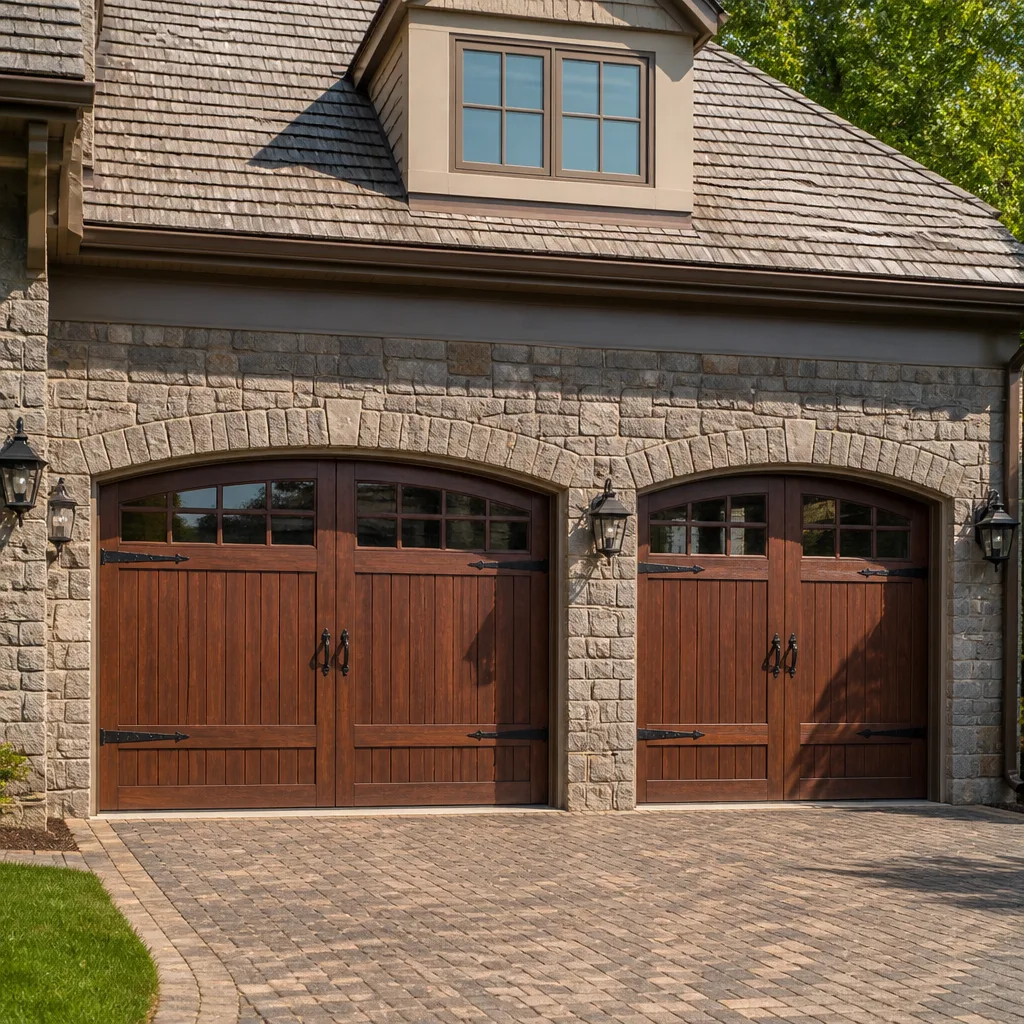 Carriage house
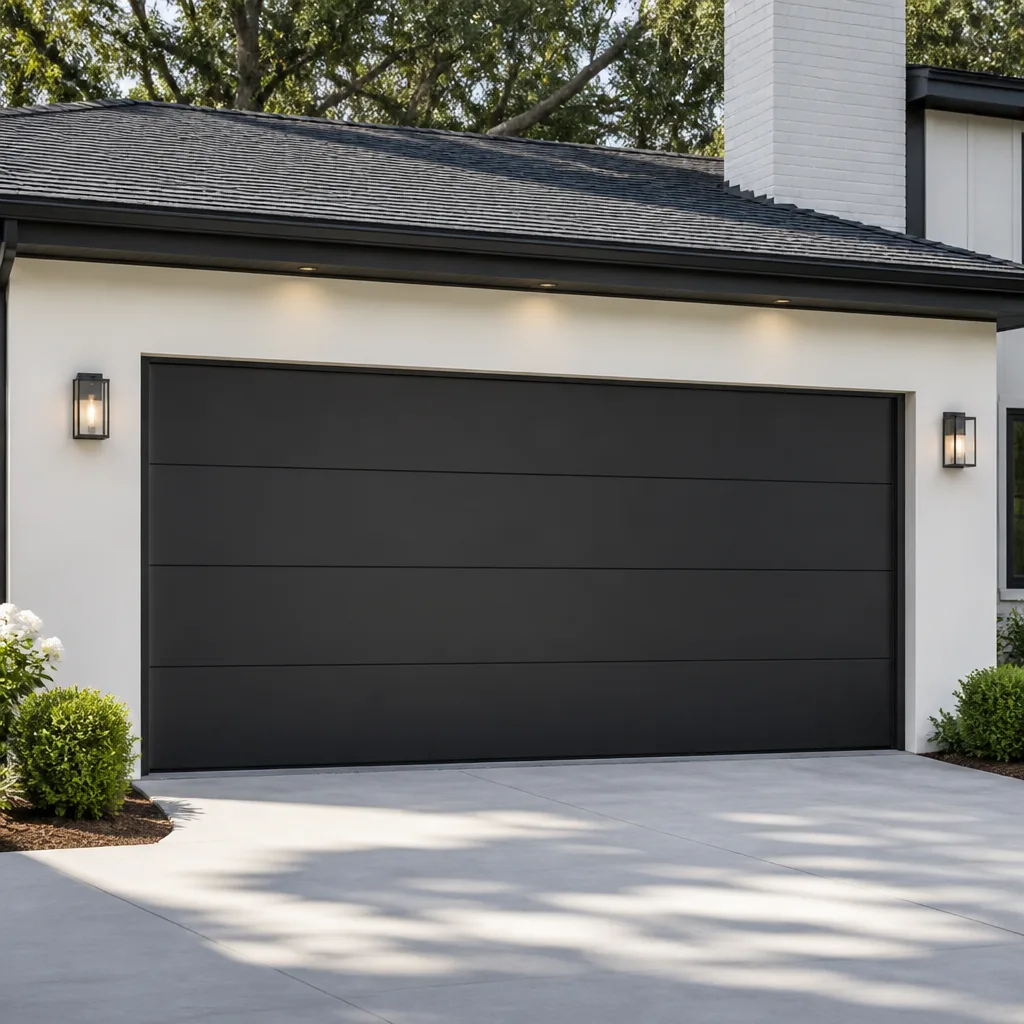 Modern flush
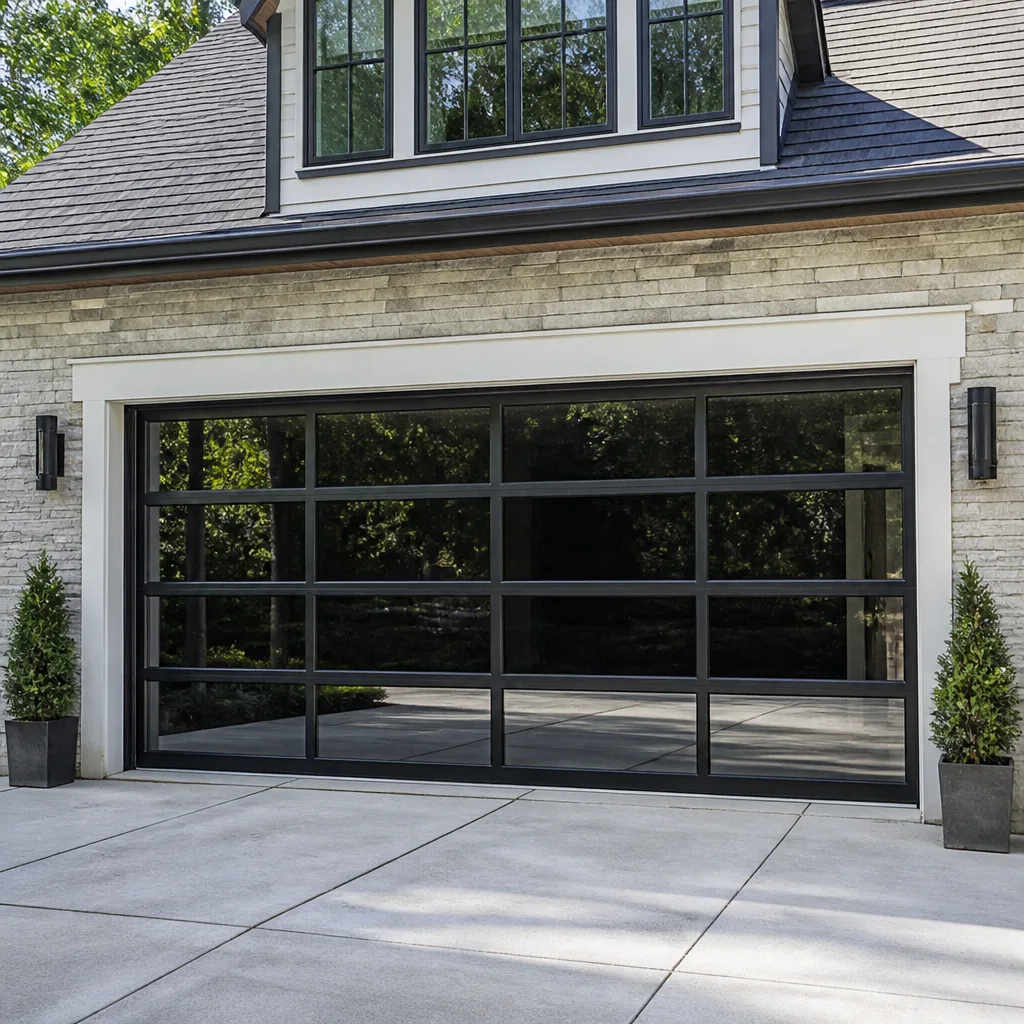 Full-view glass
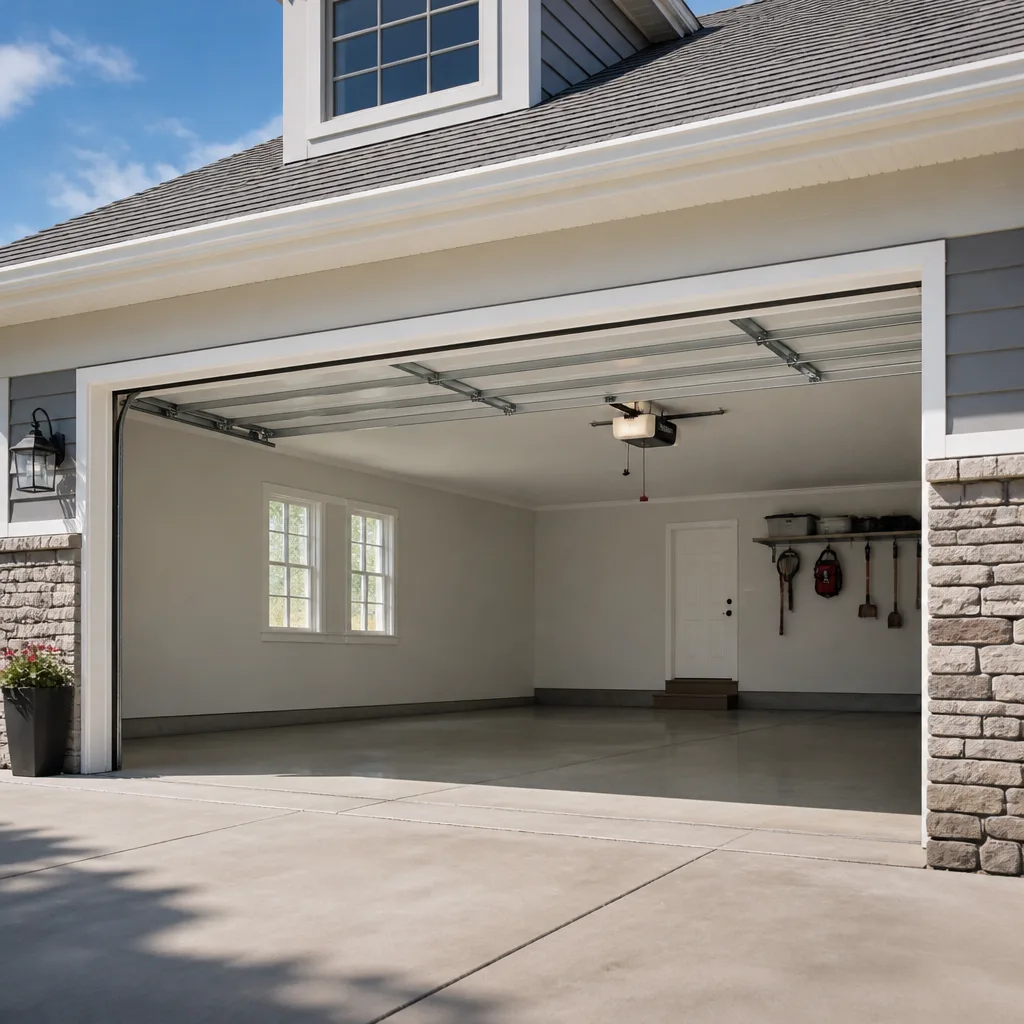 LiftMaster openers
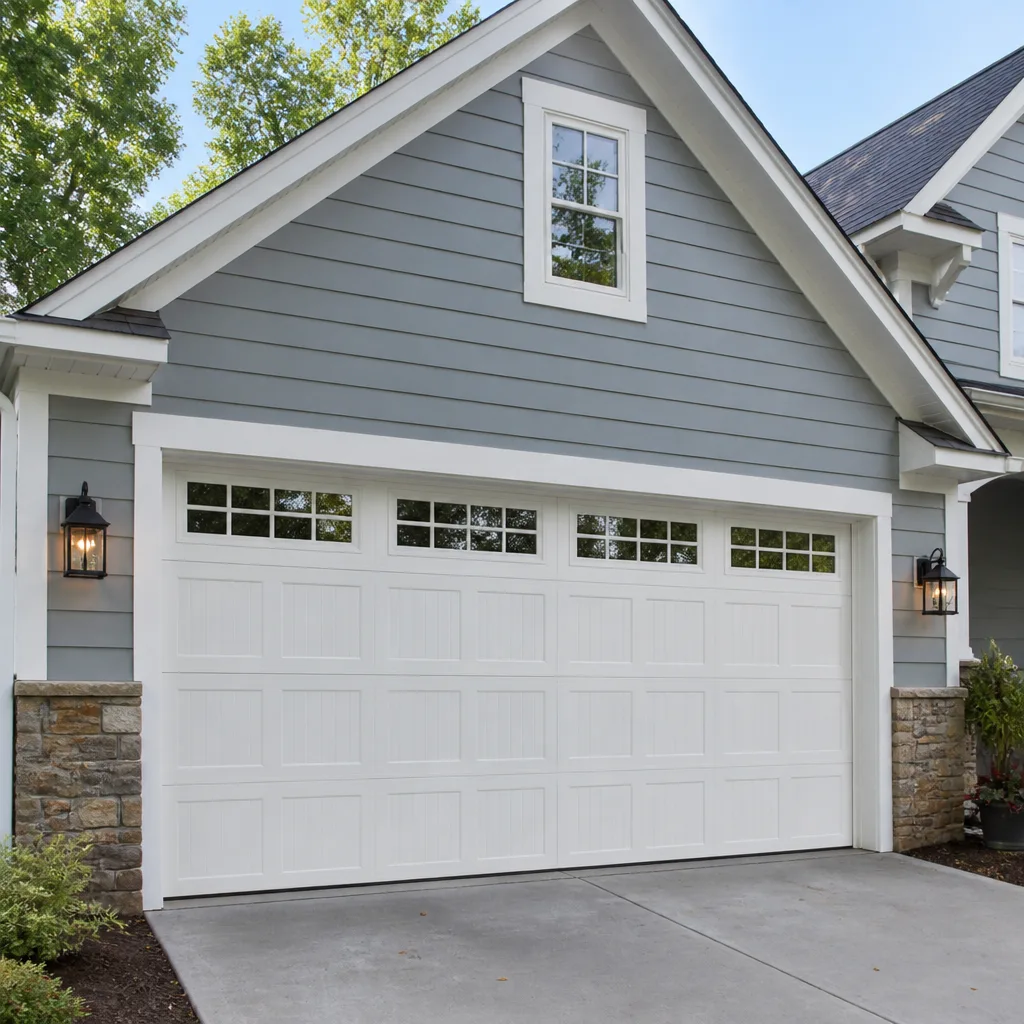 Chamberlain openers
Full 25-point door and opener safety check with every visit - springs, cables, rollers, tracks, and your LiftMaster or Chamberlain opener included
You get a price before we start. It does not change when the pro arrives.
Get your free estimateGarage Door Permits, Codes & Inspections in Stonecrest, GA: What You Need to Know
A garage door replacement done without a required permit can follow your house long after the door is hung. It shows up as an unpermitted alteration on a buyer’s home inspection report, and it can stall or sink a sale while you scramble for paperwork years after the fact. Most Stonecrest homeowners assume a garage door is a swap-and-go project with no paper trail. For a repair, that’s usually right. For a full replacement, it often isn’t. This guide walks through when a Stonecrest job crosses the line into permitted work, what a DeKalb County inspector actually looks at, how HOA covenants stack on top, and how to clean up old work before you list. We’re a Stonecrest garage door company, and we deal with these questions on real jobs week after week.
Quick Answer
In Stonecrest, replacing a garage door (a new door, a new opening, or a change to the structure around it) generally requires a residential building permit through DeKalb County, because the door is part of the building envelope and must meet wind-load and attachment standards. Repairing a door, an opener, or a spring usually does not require a permit. Any job that changes structure, size, or the opening itself needs approval, and many Stonecrest subdivisions add their own HOA architectural review on top. When in doubt, call the city or county building department and ask a specific question about your exact project.
Styles & brands we work with
- Raised-panel steel
- Carriage house
- Modern flush
- Full-view glass
- LiftMaster openers
- Chamberlain openers
Table of Contents
- Repair vs. Replacement: Where the Permit Line Sits
- What the Permit Application Actually Requires
- What a Residential Inspector Checks on a Garage Door
- Wind Load and Storm Bracing in Georgia
- HOA Covenants in Stonecrest Developments
- Retroactively Permitting Work Left by a Previous Owner
- When to Call a Professional
- Frequently Asked Questions
Repair vs. Replacement: Where the Permit Line Sits
The single biggest source of confusion in Stonecrest is the difference between fixing a door and replacing it. The permit line almost always follows that distinction. A snapped spring, a failed opener motor, a bent track, a door off its rollers – these are repairs to existing components. A whole new door, a bigger opening, a change from a single door to a double, or moving the header all touch the structure, and that’s when the county wants a permit.
Here’s how we sort it on a typical call:
- Repair (usually no permit): spring, cable, roller, hinge, track, sensor, and opener work on an existing door in the existing opening.
- Like-for-like replacement of the door panel in the same opening: often permit-required, because the new door has its own wind-load rating and attachment details. Ask the building department about your specific door and size.
- Structural change (permit required): widening the opening, raising the header, converting a carport, adding a second bay.
- New construction or addition (permit required): a garage door on a new build falls under the whole-project permit.
Notice we didn’t give you a hard yes or no on like-for-like. That’s deliberate. Permit thresholds can shift, and the answer depends on the door’s size, weight, and rated wind speed. The person who can answer with certainty is the DeKalb County building department, and it’s worth one phone call before you buy a door. If your door is failing but the frame is sound, a straightforward garage door repair usually keeps you out of the permit process entirely.
What the Permit Application Actually Requires
A garage door permit application is less scary than it sounds, but it does ask for specific things. When a Stonecrest homeowner pulls a permit for a door replacement, the paperwork typically asks for the same information the county wants on any envelope item: who’s doing the work, what’s being installed, and how it meets the code standard for your area.
Expect the application to want:
- The scope of work in plain terms. “Replace 16-foot sectional door, same opening, like-for-like” is the kind of description that moves through review without questions.
- Product specifications. Manufacturer, model, size, and the wind-load rating or design pressure of the door being installed.
- Attachment details. How the track and header brackets fasten to the framing. On a wind-rated door this matters, because the door’s rating is only as good as its anchoring.
- Contractor information. If a licensed professional is doing the work, their credentials go on the application. If you’re doing it yourself as the homeowner, ask the county how they handle owner-builder permits for this scope.
- The fee. Permit fees are set by the county and scale with job value. We don’t quote permit fees, because the county sets them, not us.
One honest note from our side: we can’t promise a permit will clear in a day or a week. Timelines belong to the building department, and they vary with their workload. The best thing a Stonecrest homeowner can do is start the conversation before the door is ordered, not after it’s sitting in the driveway. A permit that runs alongside the product lead time rarely holds up a job.
What a Residential Inspector Checks on a Garage Door
“Code compliance” is a vague phrase that tells you nothing. So let’s get specific about what a residential inspector actually looks at when they walk up to a newly installed garage door in Stonecrest. The inspection isn’t a test of how the door looks. It’s a check of whether the door is attached, rated, and set up safely.
Here’s what tends to be on the list:
- Attachment and anchoring. Are the track brackets and header fasteners into solid framing, and do they match the approved detail? This is the number one inspection item.
- Wind-load rating match. Does the installed door’s label or documentation match the rated door that was submitted on the permit?
- Structural integrity of the opening. Header, jambs, and any framing changes the plan called for.
- Clearances and labeling. Safety labels present, and the door operating without binding in the opening.
- Alignment with the approved plan. The inspector is comparing what’s built to what was permitted, not grading the install on taste.
We’ve seen failed inspections that were purely paperwork problems – a door swapped to a different model than the permit showed, for example. That’s the kind of thing that costs a return trip. When we install a door on a permitted job in Stonecrest, we match the installed product to the approved spec so the inspection has nothing to argue with. Clopay and Amarr both publish the ratings and install details the county wants to see, which makes that match easier. The same principle applies across brands, and it’s why brand familiarity matters on a permitted install. Our technicians have up to 11 years of experience reading exactly these spec sheets, and we’re factory-familiar with eight major brands: LiftMaster, Chamberlain, Genie, Clopay, Amarr, Wayne Dalton, Craftsman, and Raynor.
Wind Load and Storm Bracing in Georgia
Georgia storm zones are why garage doors get rated at all. The garage opening is the largest single hole in a home’s exterior wall, and in high wind it’s the weakest point. That’s not scare talk – it’s the reason building codes treat the garage door as a structural component with a design pressure, not a decorative panel. In Stonecrest, a door replacement on a permitted job has to meet the wind standard that applies to the home’s location and construction.
Practically, this is what it means for you:
- The door you buy carries a wind-load rating. Two doors that look identical from the street can carry different ratings. The rating is on the product documentation.
- Reinforcement matters. Wind-rated doors use heavier struts, hinges, and track anchoring than an unrated builder-grade door. A rated door hung on light brackets doesn’t deliver its rating.
- The opening has to be braced to receive the weight and the wind load. On a like-for-like swap this is usually existing framing; on a bigger opening it’s new structure and a permit.
We don’t publish design pressures or claim which rating your home needs. That number depends on your construction and the code in force. What we do is confirm the door we’re installing matches the rating on your permit, and build the installation to the manufacturer’s anchoring detail. If you’re replacing a builder-grade door after years of service, this is the moment to match the new door to the current standard rather than the old door’s spec.
HOA Covenants in Stonecrest Developments
A county permit is only half the approval picture in much of Stonecrest. Many of the city’s subdivisions have active homeowner associations, and those covenants layer an architectural review on top of the building permit. An HOA can address things the county never will: door color, window configuration, panel style, material, even whether a door must match the model originally used on the street.
Here’s the order that keeps you out of trouble:
- Read your covenants first. Find the architectural section, the door and exterior-change rules, and any submission form.
- Submit the HOA request before you order the door. Approval on paper is cheaper than a door that has to be repainted or returned.
- Get the county permit if the scope requires it. HOA approval does not replace a permit, and a permit does not satisfy the HOA.
- Keep the approval letter and permit in your home file. This is exactly what a future buyer will ask for.
The most common covenant snag we see in Stonecrest is a homeowner picking a door purely by price, then discovering the style or color wasn’t approved. Color and panel-stye rules vary from association to association, so we can’t tell you what yours says. We can install the door your HOA approves, and we can match a specific approved model within the brands we work with. Genie openers, for what it’s worth, sometimes carry HOA or neighbor concerns about noise in close-set lots, which is worth weighing if your association is strict.
Retroactively Permitting Work Left by a Previous Owner
Buying a Stonecrest home with a replaced garage door from a past owner is common, and so is discovering during the buyer’s inspection that the work was never permitted. It’s not a disaster, but it’s a hurdle that costs time if you don’t handle it deliberately. County building departments and local professionals like the ones we connect you with deal with retroactive permits on a regular basis.
Here’s the process we walk sellers and buyers through:
- Get the specifics. Identify what was changed, when, and whether any documentation exists (a receipt, a spec sheet, an old permit number).
- Call the DeKalb County building department. Ask what a retroactive permit for this scope requires, and what inspection it will trigger.
- Prepare for an inspection of the installed work. If the door and anchoring are sound, the inspection is often a formality. If not, corrections get identified and made before the permit closes.
- Make any corrections a professional can certify. Structural attachment issues are where a garage door specialist earns their keep on this process.
- Close the permit and keep the record. A closed permit is your proof of a compliant installation, and it’s the document that answers the inspection question on the next sale.
Our advice to any Stonecrest seller: don’t wait for the inspection report to force this. A retroactive permit started six weeks before listing is a scheduled project. The same thing started during a contract that’s already ticking is a fire drill. If the door fails inspection structurally, that’s a repair, and this is the point where we’d point you toward a specialist for the garage door spring repair and hardware work, since those are exactly the components a rigorous inspector checks.
Common Mistakes to Avoid
These are the mistakes we see over and over. Each one has a version that’s expensive and a version that’s avoidable.
- Assuming a replacement never needs a permit. Many Stonecrest homeowners treat a door replacement as a repair; when the door is a wall component, the county may not agree. One call to the building department settles it.
- Ordering the door before you check the covenants. An HOA can reject a color or panel style the county has no opinion on. Check the covenants, then order.
- Swapping the product spec at the last minute. Changing to a different model than the permit lists is the most common inspection fail we hear about. Match the installed door to the approved spec.
- Pulling a permit but skipping the wind-load match. A rated door on unrated anchoring isn’t compliant, even if the door’s label is right. The install detail is part of the job.
- Ignoring a prior owner’s unpermitted door. This surfaces at the worst time, usually during a buyer’s inspection. Clean it up before you list, not after.
- Hiring an installer who treats permit paperwork as your problem. On a permitted install, the person doing the work should be able to give you the product spec the county wants, not wave it off.
- Letting a failing door fail all the way. A door with a damaged spring or bent track can drop or jump, and that’s a safety risk, not just an annoyance. That’s a repair, and it shouldn’t wait behind permit work.
When to Call a Professional
Some jobs are a homeowner’s call. The dangerous ones aren’t. If your garage door has a snapped spring, a frayed cable, or a door that’s dropped off one side, a trained professional should handle it. High-tension springs and cables can cause serious injury, and they’re the part of the door system that should never be a weekend project. Same goes for a door that’s off its rollers or binding track: an amateur repair on a binding door can bend panels and crack framing fast.
Permit questions are a different kind of professional call. If you’re planning a replacement or a structural change and you’re not sure whether Stonecrest requires a permit for it, a specialist who handles permitted installs can tell you what the paperwork will need and match the product to it. Stonecrest Garage Door Repair offers free estimates in Stonecrest: call (877) 792-7296. We answer 24/7. Fast dispatch from 7am to 7pm, Sunday through Friday. Every estimate is free, and the price is quoted and agreed before any work starts.
Frequently Asked Questions
Often yes, but it depends on scope. A like-for-like door replacement that changes the envelope or a structural change to the opening generally requires a residential building permit through DeKalb County, while a repair to the existing door usually doesn’t. Call the county building department with your exact project before ordering a door. Then call (877) 792-7296 to line up the install and confirm the product spec, and estimates are free.
Usually no. Spring, cable, hinge, roller, track, sensor, and opener repairs to an existing door in an existing opening don’t touch the structure, so they typically stay out of the permit process. If a repair turns into a structural fix (a bent header, a rotted jamb), ask the county whether the fix raises the scope into permitted work. Call (877) 792-7296 if the repair is on your list.
The inspector checks the installation against the approved permit: attachment and anchoring, wind-load rating match, structural integrity of the opening, and alignment with the approved plan. It’s not a grading of the door’s appearance. A mismatch between the installed door and the permitted spec is the most common fail we hear about. Call (877) 792-7296 to get your install spec right before the inspection.
No. HOA architectural approval and the county permit are two separate processes, and both can apply to the same job. The HOA addresses style, color, and material; the county addresses structural and code compliance. Get the HOA approval in writing first, then pull the permit if the scope requires it. Call (877) 792-7296 for a free estimate once you’ve checked both.
Start with a call to DeKalb County’s building department and ask what a retroactive permit requires for this scope. Plan for an inspection of the installed work, and be ready to correct structural attachment issues if they turn up. Getting ahead of it before you list is far easier than discovering it during a contract. Call (877) 792-7296 to have the installation checked before you start the paperwork.
Doors installed under a permit in Georgia carry a wind-load rating and must be anchored to a matching detail, because the garage opening is the largest single opening in the home’s exterior wall. A rated door on light brackets doesn’t deliver its rating. If you’re replacing a builder-grade door, the new one should match the current standard rather than the old door’s spec. Call (877) 792-7296 to talk through the door and anchoring you need, and estimates are free.
See the difference
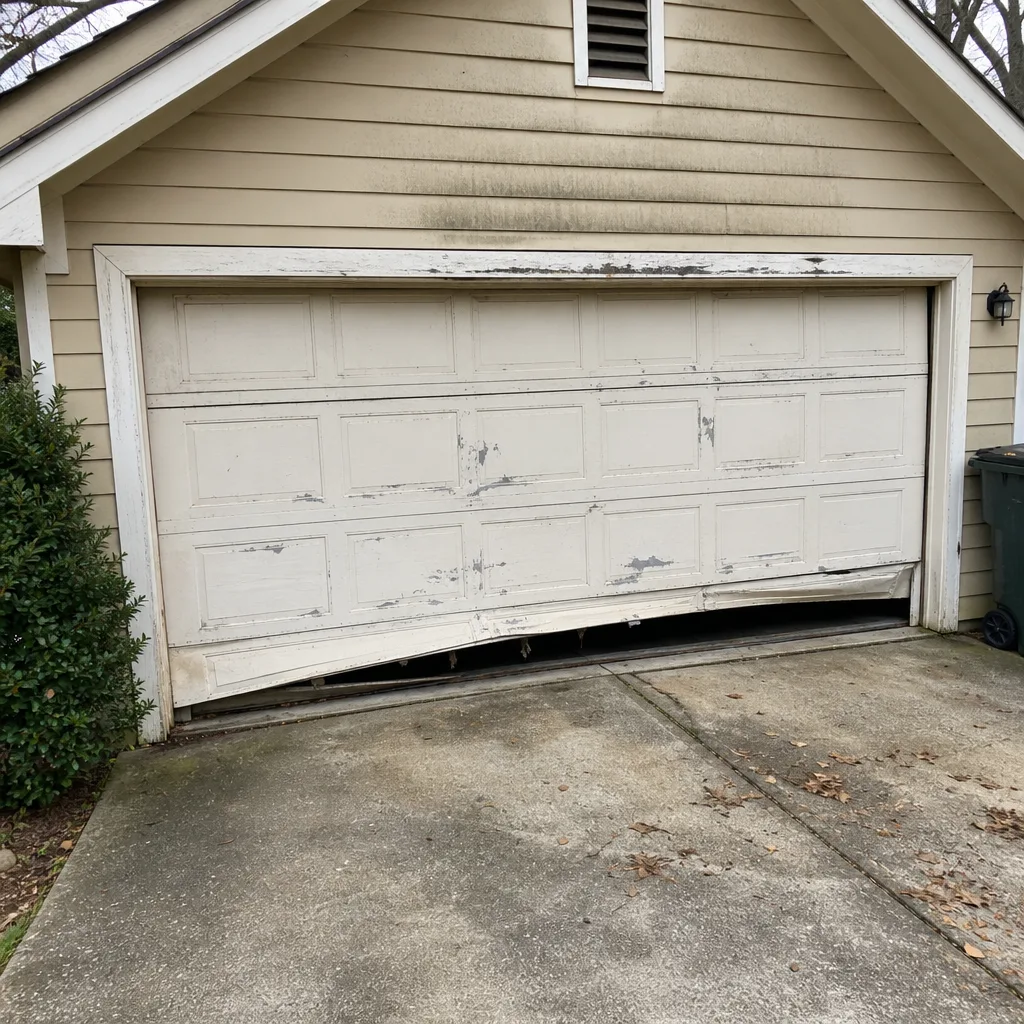 Before
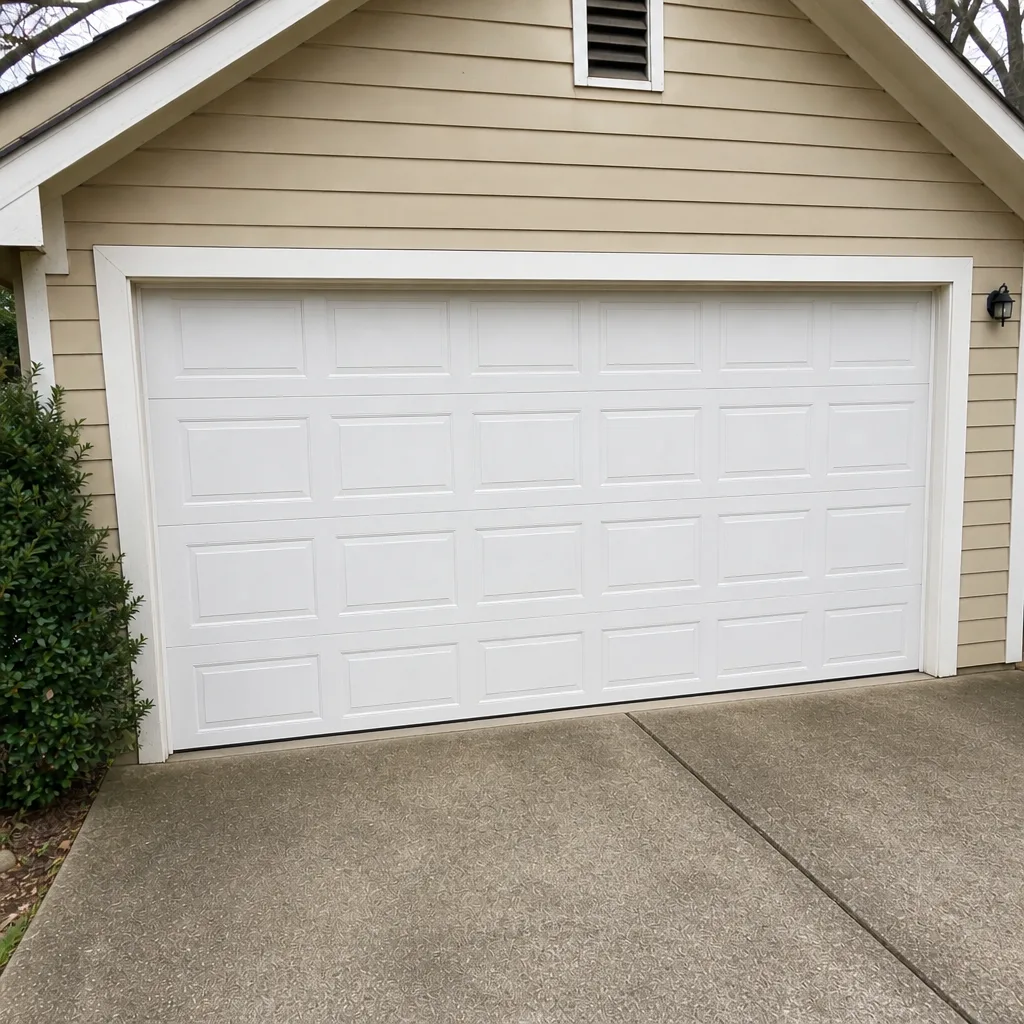 After
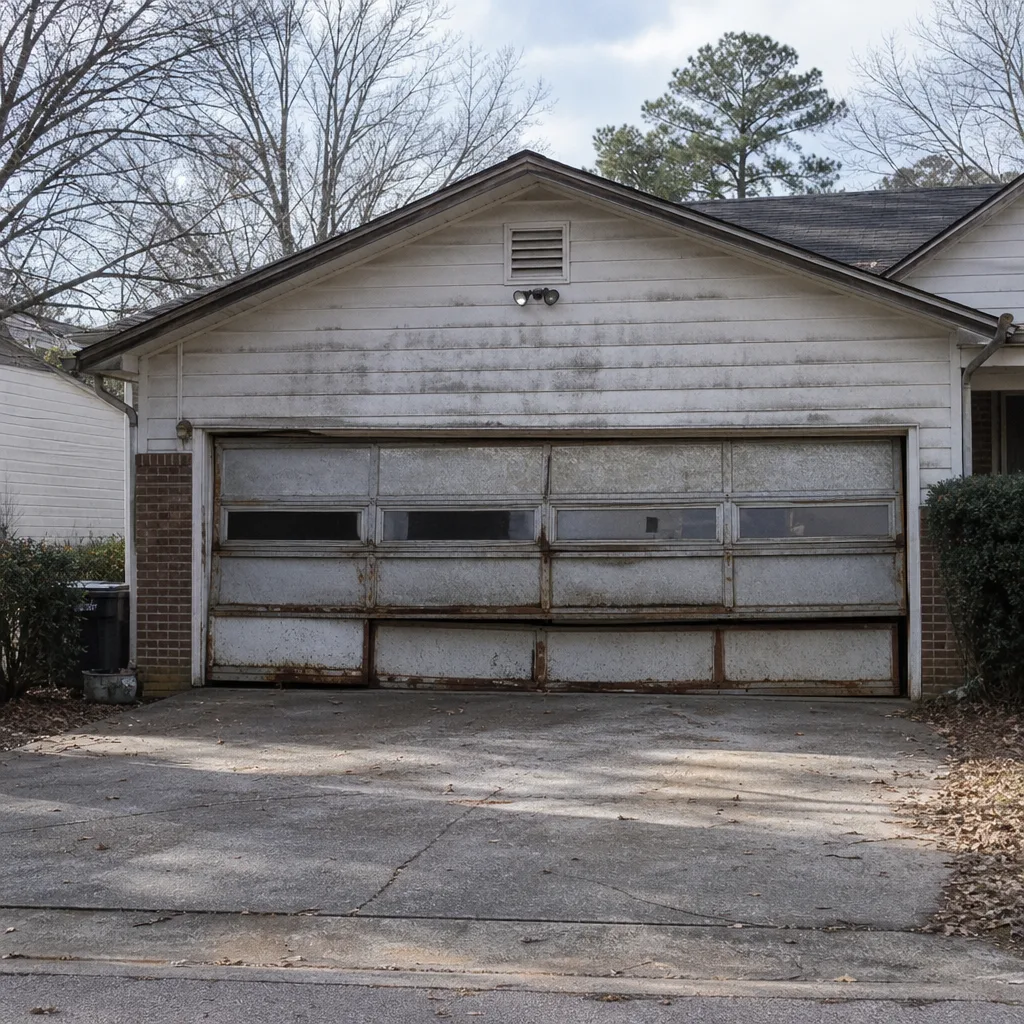 Before
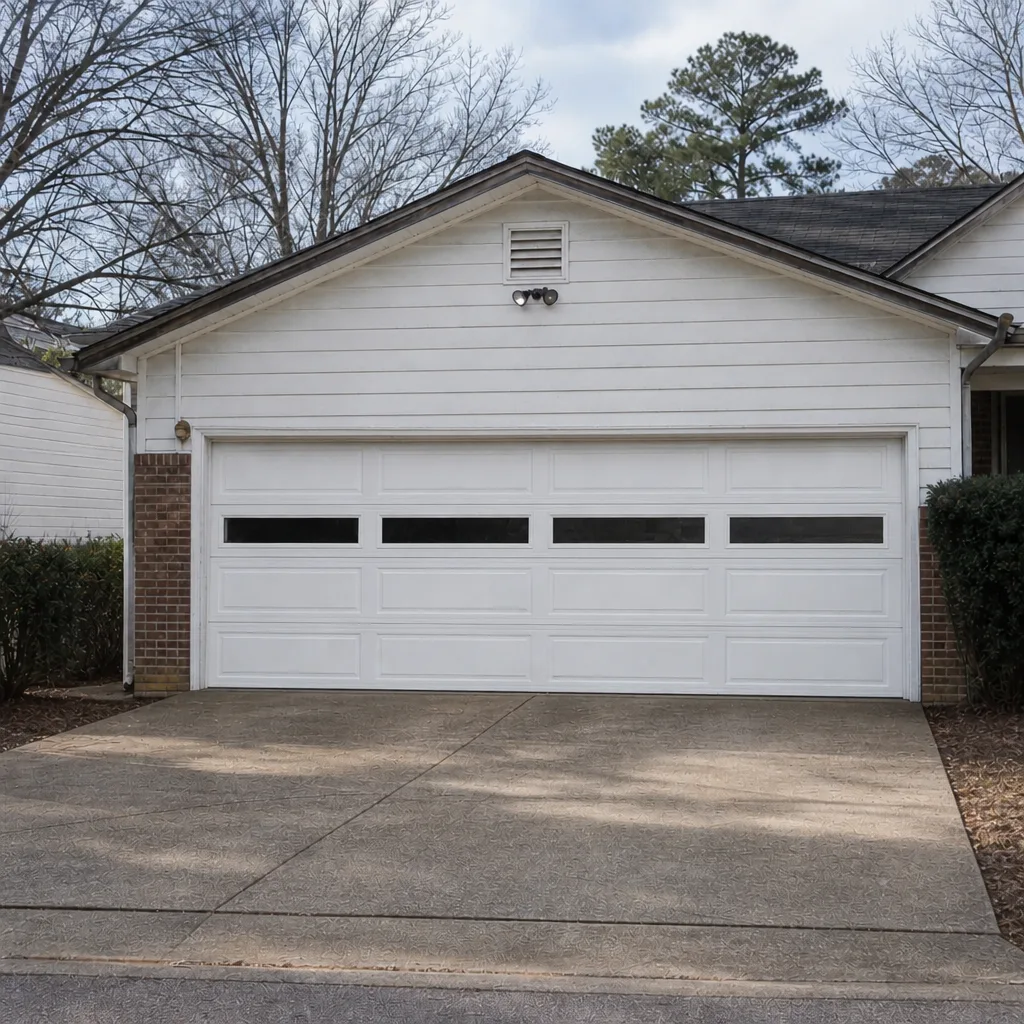 After
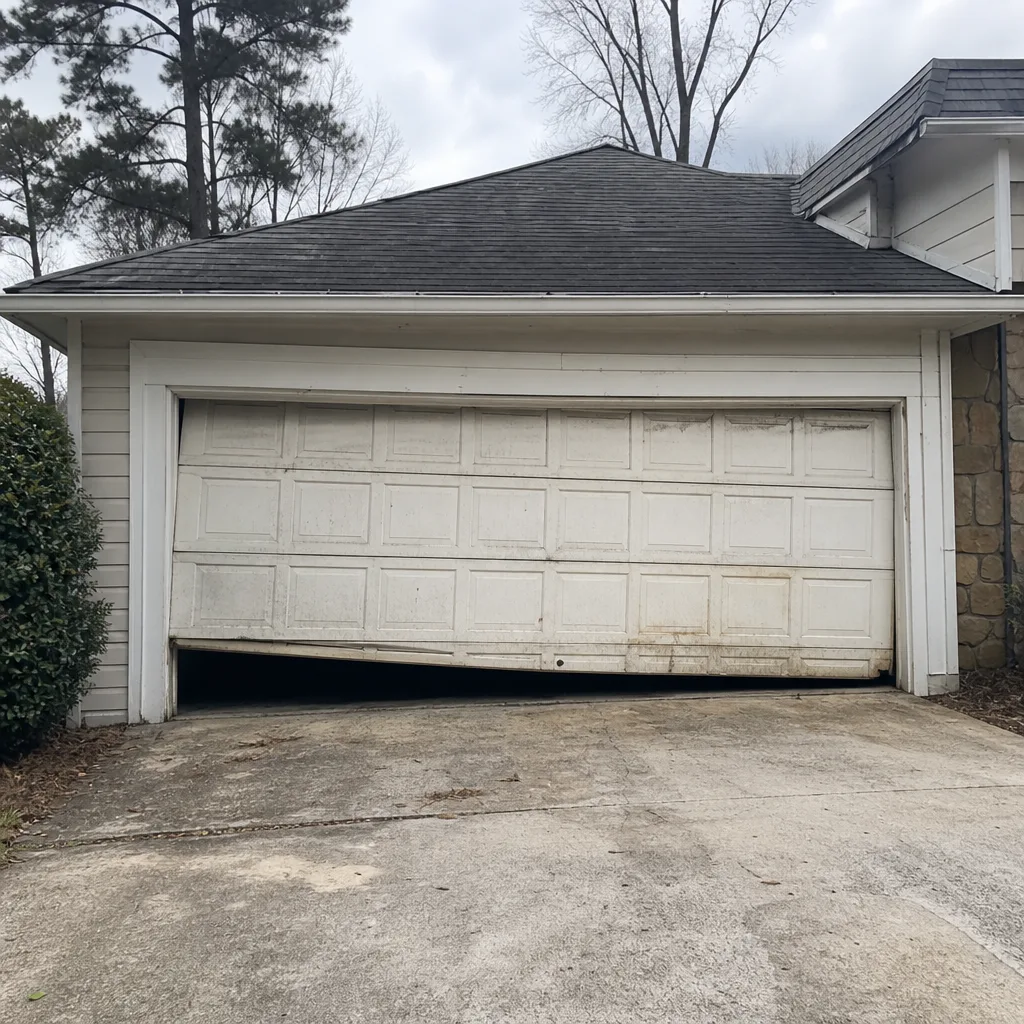 Before
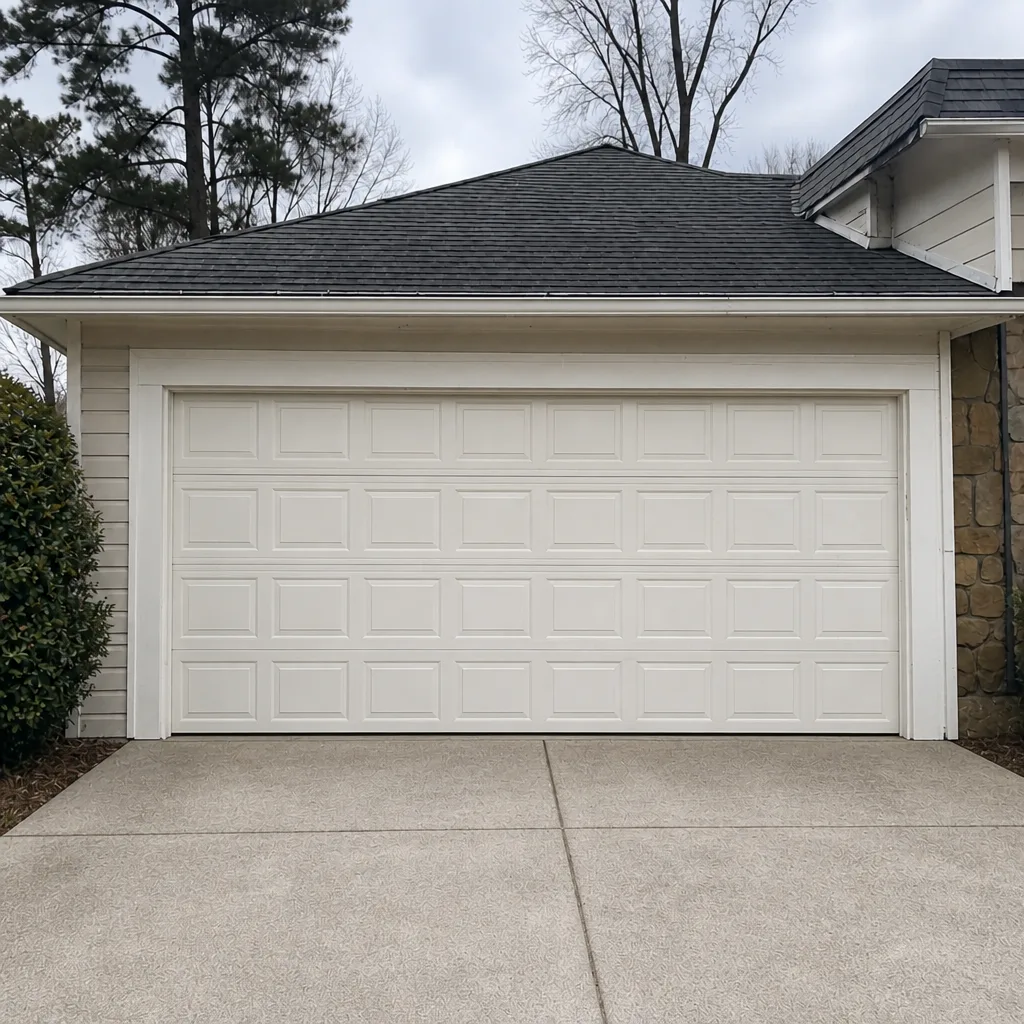 After
The Bottom Line
A garage door in Stonecrest is more than a moving panel: it’s part of the building envelope, and replacements often need a permit even when a repair doesn’t. The short version: repair is usually clear; replacement and structural changes usually get a county permit; HOA approval often sits on top; and unpermitted work by a past owner should be squared away before you sell. Inspectors check attachment, rating, and the match to the approved plan, and that’s exactly where brand familiarity helps. Match the door to the spec, check the covenants before you order, and call the county for the final word. We’re here to help with the door side, from the first cable to the final panel. Our technicians have up to 11 years of experience, and we’re factory-familiar with eight major brands. Questions? Start with our Stonecrest Garage Door Repair guide, look at garage door opener repair if the motor is the issue, or connect with the team here.
Contact Us
If you’re planning a door replacement in Stonecrest, or you need a repair that has to happen before any permit work can move, call Stonecrest Garage Door Repair at (877) 792-7296 for a free estimate. We answer 24/7. Fast dispatch from 7am to 7pm, Sunday through Friday. The price is quoted and agreed before any work starts, so you’ll know the number before we touch the door.
Written by the team at Stonecrest Garage Door Repair.