
Last updated November 23, 2026
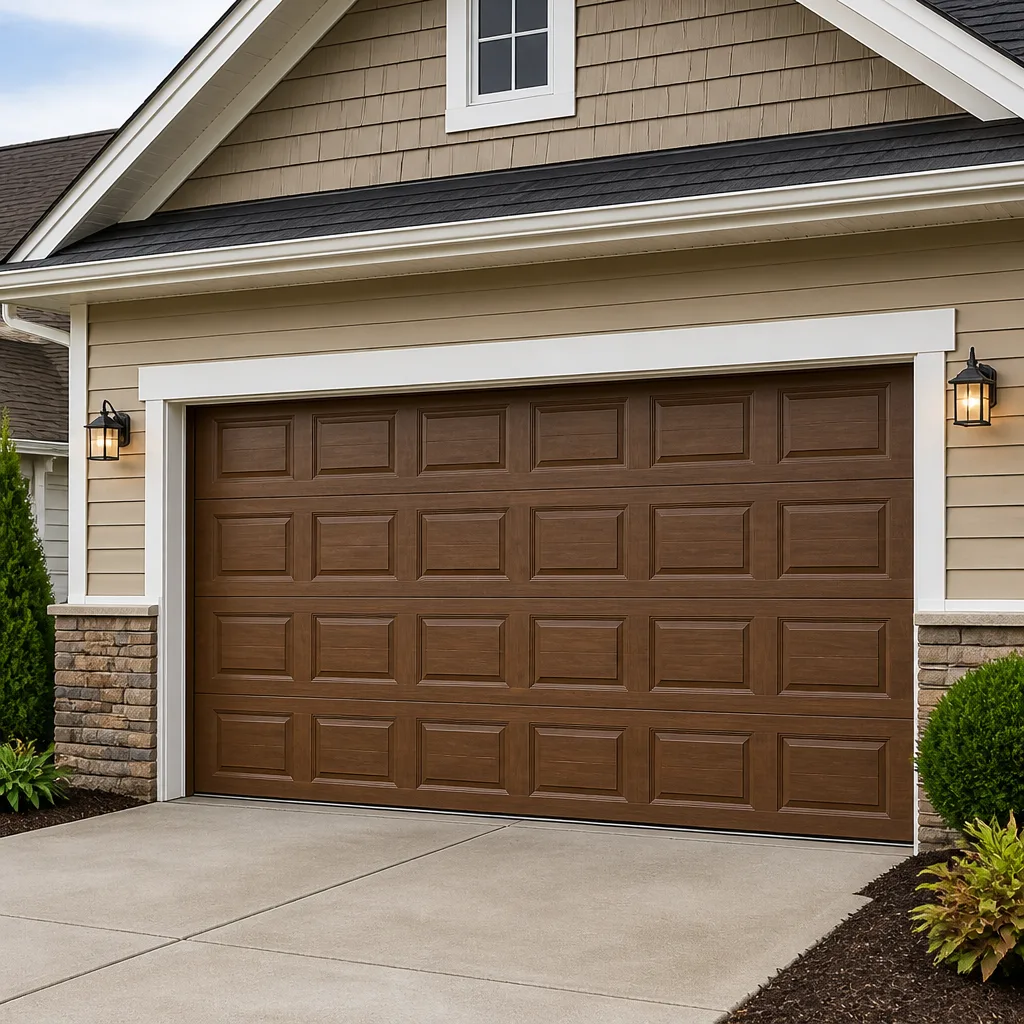 Raised-panel steel
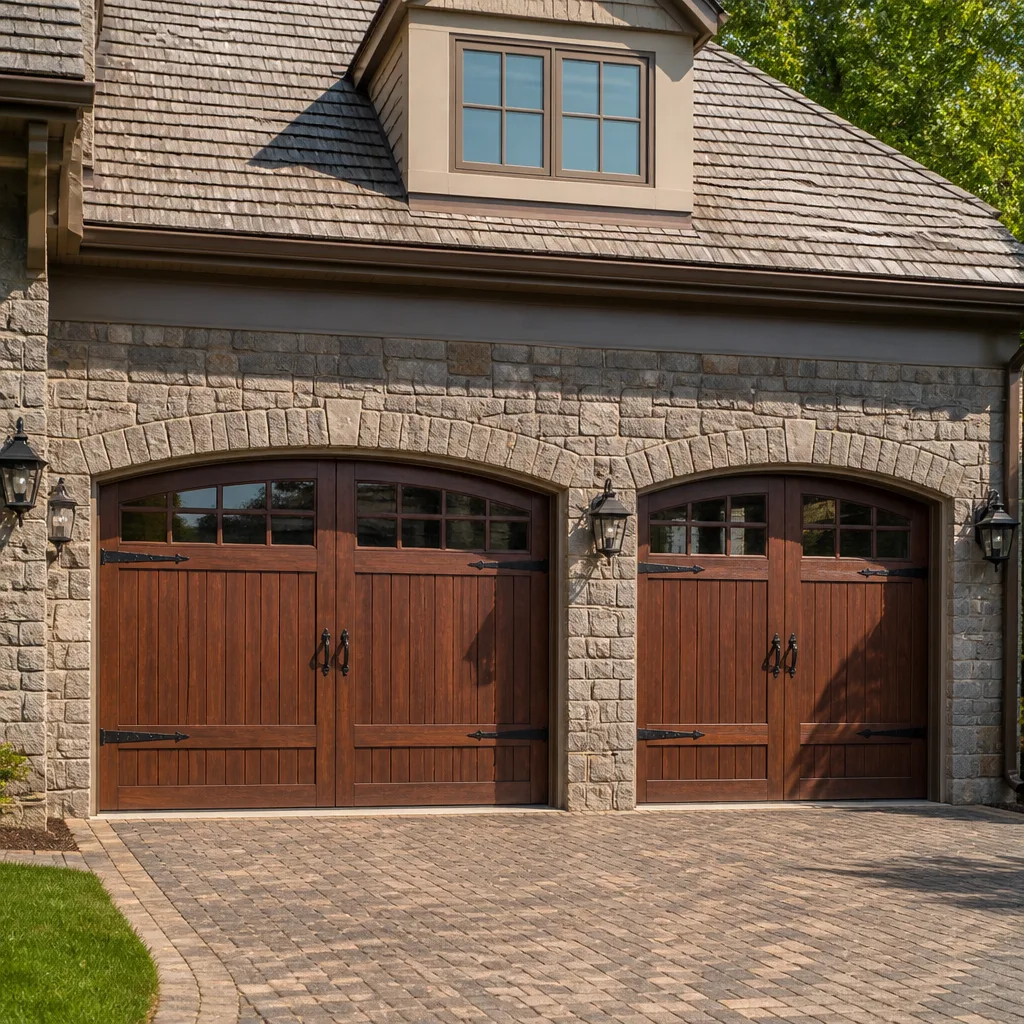 Carriage house
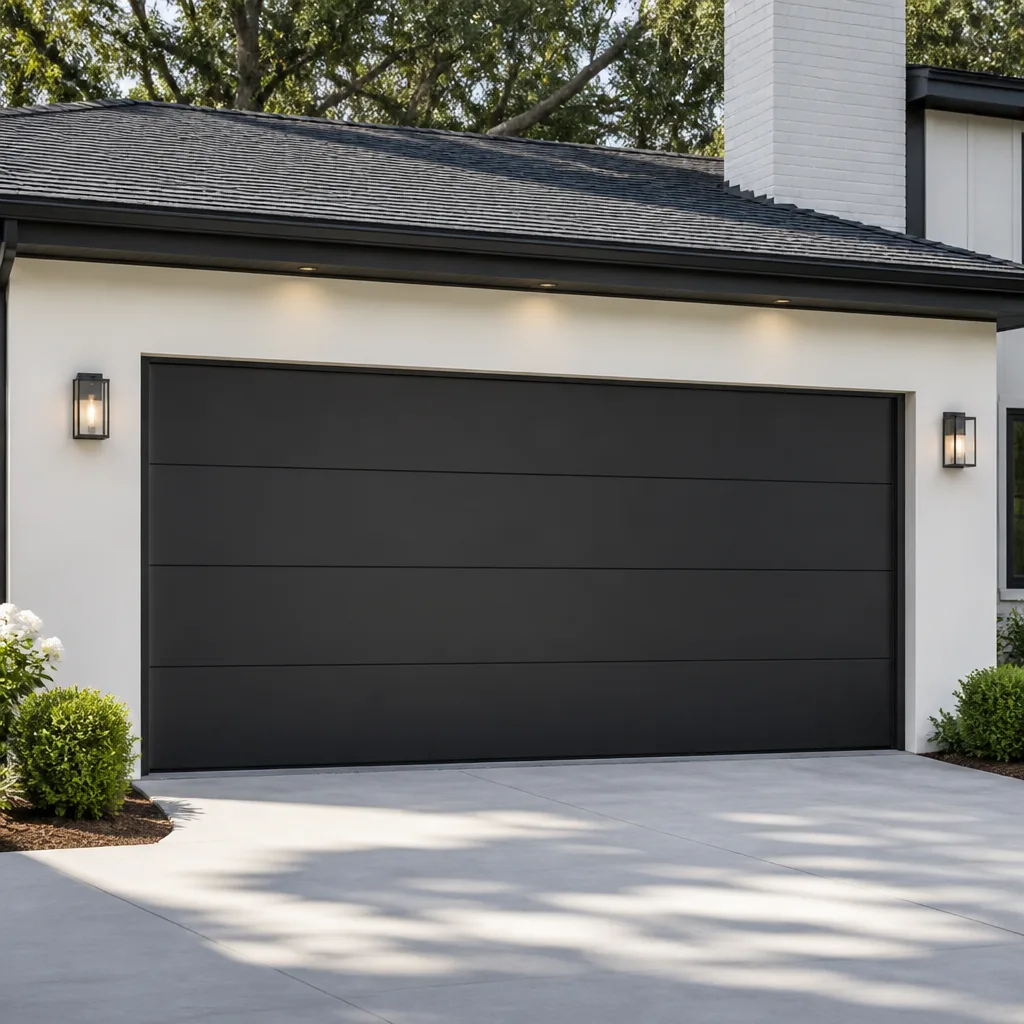 Modern flush
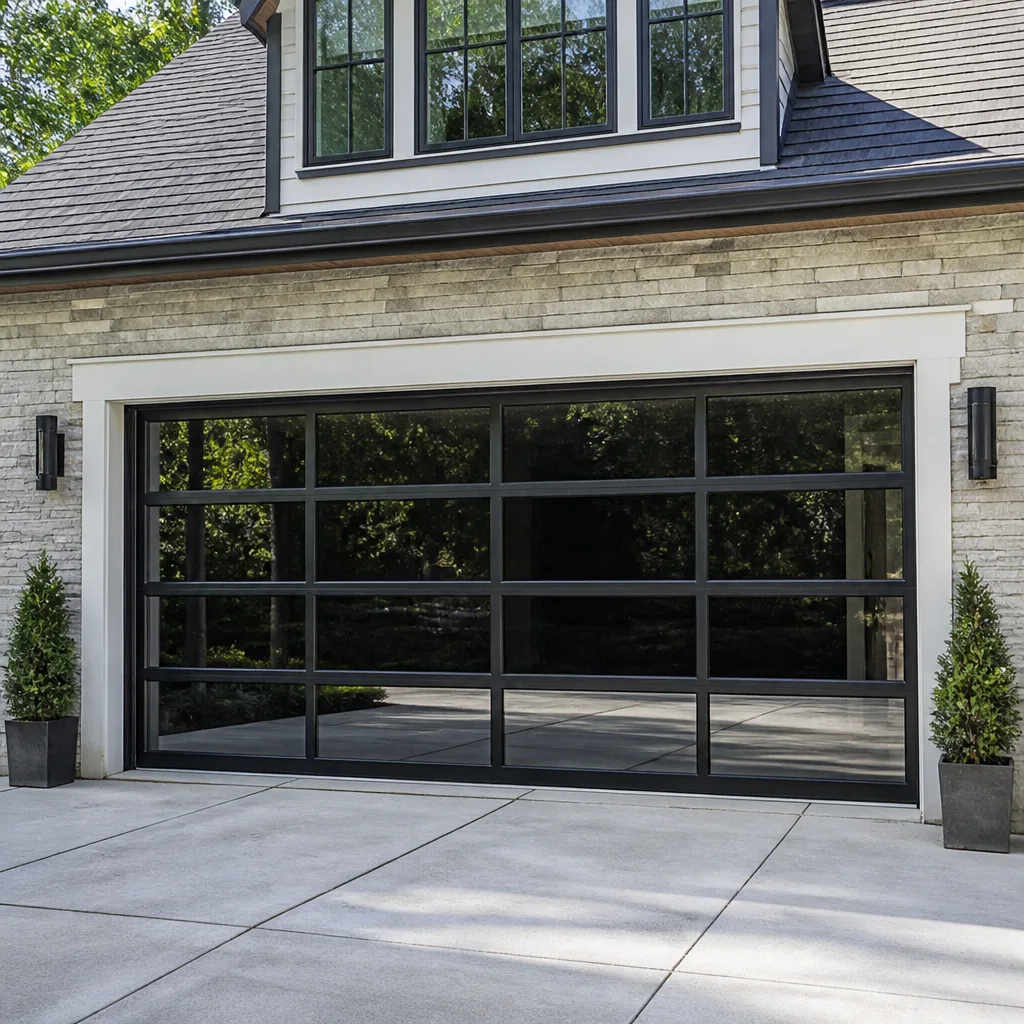 Full-view glass
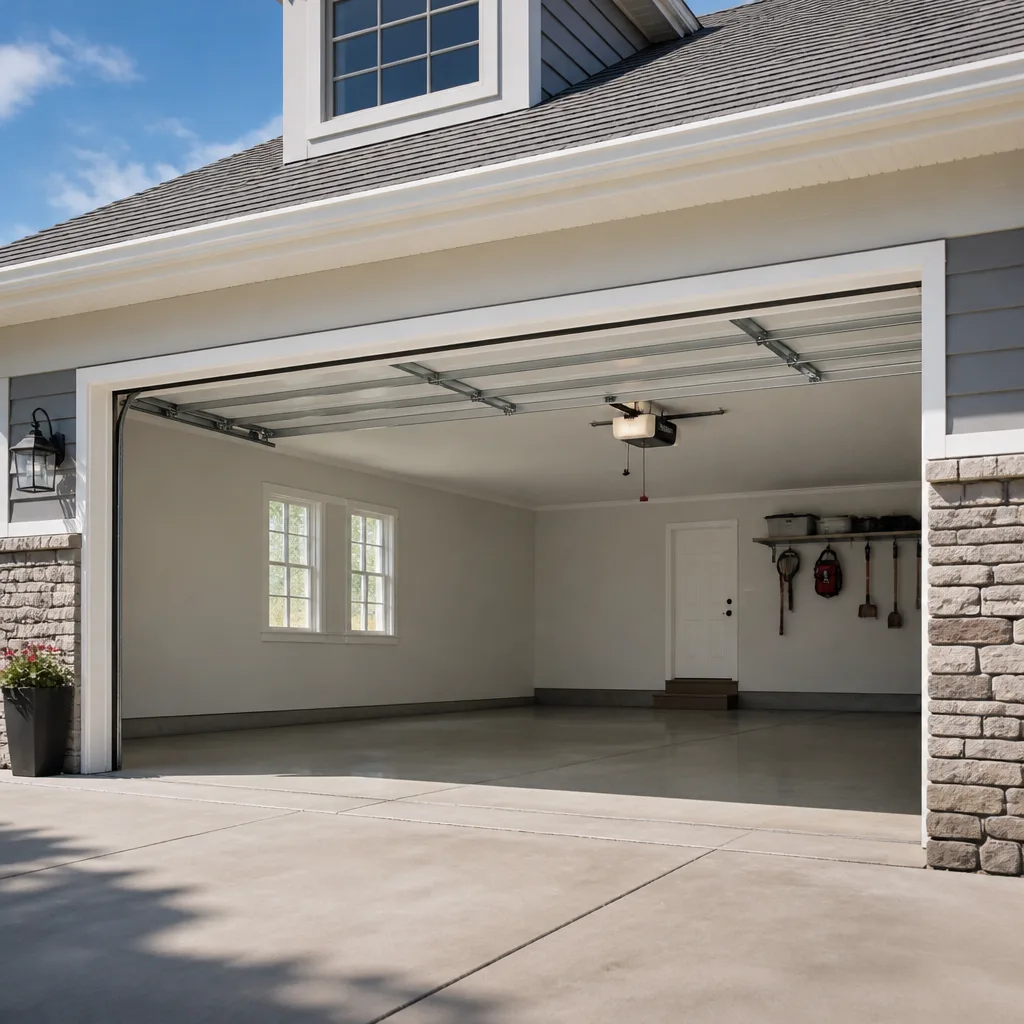 LiftMaster openers
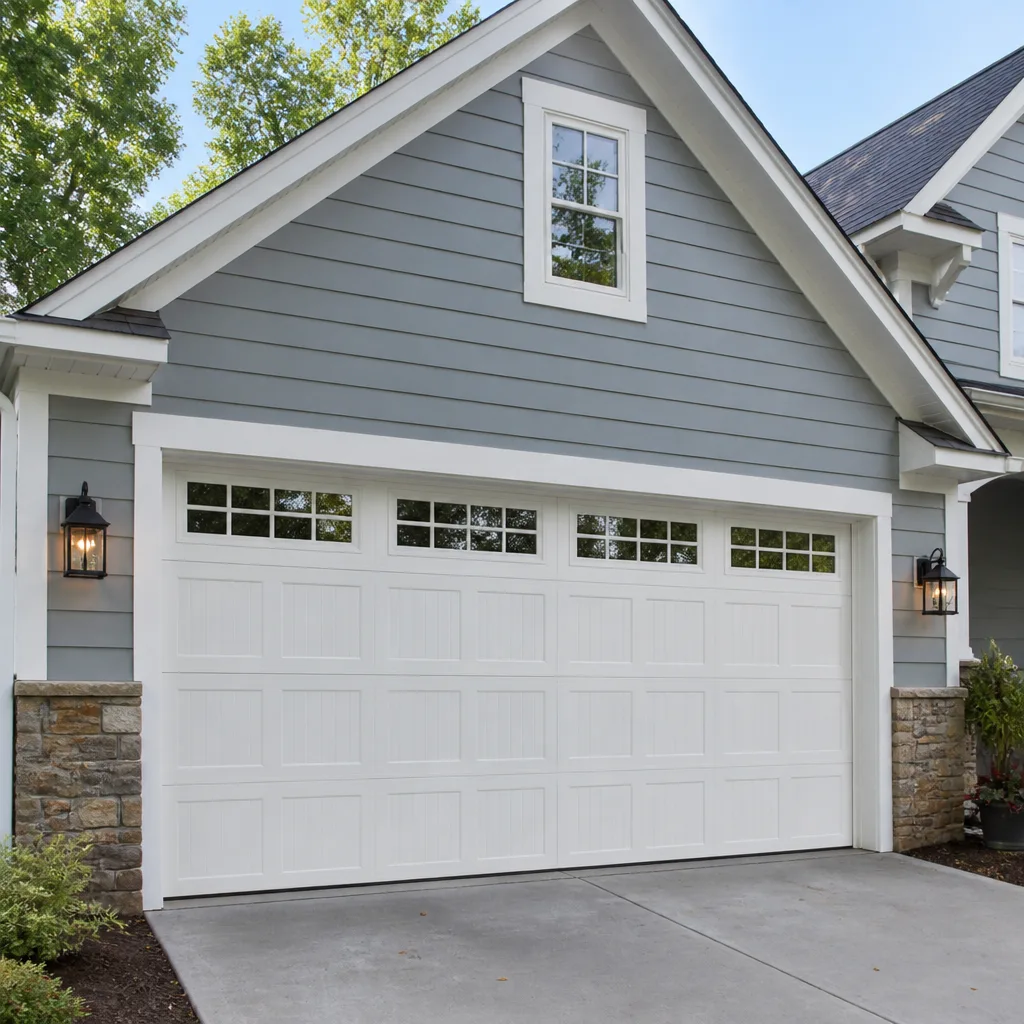 Chamberlain openers
Full 25-point door and opener safety check with every visit - springs, cables, rollers, tracks, and your LiftMaster or Chamberlain opener included
You get a price before we start. It does not change when the pro arrives.
Get your free estimateChoosing the Right Garage Door Brand: A Buyer’s Guide for Stonecrest
The lifetime warranty on a budget steel door usually means the manufacturer will ship you a replacement panel. It doesn’t cover the labor to install it, and the color match on that panel after five Georgia summers is rarely exact. That gap between what a warranty sounds like and what it actually delivers is the reason most brand-shopping goes wrong. Homeowners compare names and prices when they should be comparing steel gauge, joint sealing and finish. This guide works backward from the conditions a garage door faces in Stonecrest, then maps those conditions to what current brands actually deliver. By the end you’ll know which specifications predict longevity, how to read a spec sheet without being fooled by marketing language, and when a mid-tier door is the smarter buy.
Quick Answer
There’s no single best garage door brand for every Stonecrest home. The right choice depends on three specifications: steel gauge, joint sealing and finish type, matched to whether your garage is attached or detached. For most attached garages in Stonecrest, a mid-tier insulated steel door from Clopay or Amarr with a properly sealed joint system outperforms a premium door with thinner steel and a decorative face. Brands matter far less than the specifications behind the name.
Styles & brands we work with
- Raised-panel steel
- Carriage house
- Modern flush
- Full-view glass
- LiftMaster openers
- Chamberlain openers
Table of Contents
- Start With the Climate, Not the Brand
- The Three Specifications That Predict Door Longevity in Stonecrest
- How to Decode a Manufacturer Spec Sheet
- Brand Support and Parts Availability Around Atlanta
- What Insulation R-Value Actually Means for a Stonecrest Garage
- Matching Brand Tier to Door Age Expectations
- Why Installation Quality Beats the Badge on the Box
- Common Mistakes to Avoid
- When to Call a Professional
- Frequently Asked Questions
- The Bottom Line
Start With the Climate, Not the Brand
A garage door in Stonecrest lives a harder life than the same door in a mild coastal climate or a dry desert town. Stonecrest sits in the Atlanta metro’s eastern arc, which means hot, humid summers, a real pollen season, afternoon thunderstorms in the warm months, and occasional winter freezes that catch homeowners off guard. Every one of those conditions attacks the door differently.
Summer heat expands steel and stresses the joints where panels meet. Humidity works on the bottom seal, the hinges and any bare metal edge the factory finish missed. Pollen and grit collect in the tracks and along the weatherstripping. Winter freezes can stiffen lubricant and make a marginal opener labor harder than it should. None of these conditions care what logo is stamped on the door.
Here’s the practical shift: instead of asking “which brand is best,” ask “which door is built to handle heat cycling, humidity and pollen for the next fifteen years in this specific climate.” That reframing is the entire guide in one sentence. When we assess a door in Stonecrest, we’re looking for evidence that the manufacturer designed for a humid, hot market, not a mild one.
Three climate-driven questions to ask about any door you’re considering:
- Does the finish resist humidity? A factory-baked finish on galvanized steel holds up far better than a painted or primed-only surface.
- Are the joints sealed or just fitted? Section joints are where moisture and heat find their way in.
- Will the bottom seal survive Georgia summers? Cheap vinyl seals harden and crack; better seals stay flexible through the heat.
Get those answers before you compare brand names. A door that fails the climate test fails no matter whose name is on it, and a door that passes is a reasonable candidate regardless of tier. The rest of this guide is about how to find those answers on paper before you buy.
The Three Specifications That Predict Door Longevity in Stonecrest
If you only remember one section of this guide, make it this one. In our experience working on doors across Stonecrest, three specifications separate the doors that last from the ones that start sagging, rusting or rattling within a decade. Brand reputation is a weak signal compared to these three.
1. Steel gauge thickness
Gauge is the thickness of the steel skin on each door section. The confusing part: a lower gauge number means thicker steel. So 24-gauge is thicker than 27-gauge, and 25-gauge is thicker than 26-gauge. Many budget doors use 27- or 28-gauge steel on both faces or mix a thicker face with a thinner back face to hit a price point.
Thicker steel resists denting from a stray basketball, sagging from its own weight over years of heat cycling, and the flexing that eventually breaks hinge screws loose. For a Stonecrest garage door facing summer heat expansion, gauge is the single most reliable longevity predictor in the spec sheet. Insist on knowing the gauge on both faces, not just one.
2. Joint sealing
Every door has joints where sections meet, and every joint is a place for water, humidity and heat to get behind the finish. Better doors use a tongue-and-groove joint with a gasket or a sealed overlapping joint. Cheaper doors butt the sections together with a gap that hides behind the hardware and lets moisture in slowly.
On a humid Stonecrest summer, an unsealed joint is where the rust starts, usually along the bottom edge of the middle panel where you don’t see it until the paint bubbles. Ask specifically how the joints are sealed.
3. Finish type
The finish is the door’s first line of defense against humidity. A factory-baked, pre-painted finish bonds to the steel better than any field-applied paint. Some premium doors use a hot-dip galvanized steel base with a baked-on topcoat, which is meaningfully more corrosion-resistant than untreated steel with paint over it.
For a humid market like Stonecrest, the finish question is worth asking directly: is the steel galvanized before the finish is applied? If the answer is vague, that tells you something. A door with a galvanized base and a proper factory finish will outlast a higher-end-looking door with a thinner finish every time.
When these three specifications are strong, brand tier becomes a secondary consideration. When they’re weak, no brand name rescues the door.
How to Decode a Manufacturer Spec Sheet
Manufacturer spec sheets are written to make comparisons hard. The same steel can be described a dozen ways, and the terms that sound most impressive often reveal the least. Here’s how to read the sheet without getting lost.
- Find the gauge on both faces. Look for “steel thickness” or “gauge” in the construction section. Better sheets list the front and back face separately. If only one number is given, ask for the other.
- Watch for round numbers that hide the real number. “Heavy-duty steel” and “premium gauge” mean nothing without a number. A sheet that says “25-gauge” is more useful than one that says “commercial-grade construction.”
- Check for galvanized steel in the base construction. If the sheet doesn’t mention galvanization, assume the steel is untreated. That’s a meaningful question for a humid climate.
- Look for insulation R-value along with the actual insulation type. Polystyrene, polyurethane and injected foam behave differently. R-value alone doesn’t tell you which you’re getting.
- Verify the warranty language on labor versus materials. A “lifetime” warranty that covers panels but not labor is a materials warranty. Read which parts it covers and for how long on each.
- Confirm the door is rated for your opener’s lift capacity. A heavier insulated door may need a more capable opener than the one you have. Check the door weight and match it to your opener’s rating.
The pattern to notice: the most useful information on any spec sheet is specific and numeric. Terms that sound technical but contain no number are usually decoration. When you compare two doors, put the numbers side by side, because the marketing language will tell you both are excellent.
A practical shortcut: bring the spec sheet to your estimate. A good technician will read it with you and point out what actually matters for a Stonecrest install. If a brand’s sheet is vague enough that nobody can answer the gauge question, that’s an answer in itself.
This is also where garage door repair expertise helps before you buy. Technicians who fix doors for a living know which construction details fail first and can read a spec sheet with that in mind.
Brand Support and Parts Availability Around Atlanta
A garage door is a mechanical system, and mechanical systems need parts. Springs, cables, rollers, hinges, bottom seals and opener components all wear out. The brand question that matters most over a fifteen-year horizon isn’t which door looks best on day one. It’s which brand’s parts are actually available in the Atlanta metro when something breaks.
The major residential brands all have distribution through Atlanta-area suppliers, but the depth of that supply varies. Clopay and Amarr, both widely installed in Stonecrest, have broad parts networks through Atlanta-area distributors. Wayne Dalton and Raynor also have established supply channels in the metro. Opener brands follow the same logic: LiftMaster and Chamberlain parts are effectively everywhere, Genie has solid availability, and Craftsman openers share enough common architecture with the major drive systems that most repair work is routine.
What this means for you as a buyer:
- A door from a brand with deep Atlanta-area distribution can be repaired faster. Standard parts are on hand or a short order away.
- Obscure brands can mean long lead times. When a cable or hinge fails on a door with a thin parts network, you may wait weeks for a replacement.
- Opener brand matters just as much as door brand. A well-supported door paired with an opener whose parts are hard to source leaves you stranded when the opener fails.
- Ask how the brand sources parts before you buy. “Can this door be repaired locally in a few years” is the right question.
We’re factory-familiar with eight major brands: LiftMaster, Chamberlain, Genie, Clopay, Amarr, Wayne Dalton, Craftsman and Raynor. That range matters precisely because it means a Stonecrest homeowner doesn’t have to pick a brand based on what one shop happens to carry. If a door or garage door opener repair job comes up, the brand on the equipment is one we work with regularly.
One more practical note: if you’re replacing a door and keeping the opener, verify the new door’s weight against the opener’s lift rating. A heavier insulated door can be too much for a light-duty opener, and that mismatch shows up as premature wear or a door that won’t open fully.
What Insulation R-Value Actually Means for a Stonecrest Garage
R-value is the measure of how well a material resists heat flow. Higher is better for an insulated door, but the number on the marketing sheet can mislead if you don’t know what it applies to. Here’s the question that actually matters: is your garage attached to the house or detached, and is it conditioned or unconditioned?
| Garage setup | What matters | Insulation guidance |
|---|---|---|
| Attached, conditioned space above or beside it | Heat and cooling transfer between garage and living space | Insulated door with a real R-value; polyurethane typically outperforms polystyrene |
| Attached, unconditioned (most common in Stonecrest) | Reduced temperature swing, less condensation on the door interior | Moderately insulated door; a single-layer door is workable but sweats in humid weather |
| Detached garage | Weather protection only; no living space to protect | Insulation is optional; a well-sealed single-layer door can be the sensible choice |
The humidity angle is where a Stonecrest buyer should pay attention. An uninsulated single-layer steel door in a humid summer can develop condensation on the interior face, especially if the garage is cooler than the outside air. That condensation drips onto the door tracks, the bottom seal and anything stored below. An insulated door with a thermal break reduces that swing because the interior face stays closer to the garage’s temperature.
R-value claims also need scrutiny. A manufacturer can quote the R-value of the insulation core rather than the assembled door, so the core number sounds impressive while the door’s overall performance is lower. Look for a door-level R-value and confirm which it is. In our experience, the insulation question is the one most Stonecrest buyers skip, and it’s the one that affects daily comfort most.
If you’re replacing a door on an attached garage you use as a workshop or a gym, insulation is worth the upgrade. If it’s a detached storage garage, put the money into gauge and finish instead.
Matching Brand Tier to Door Age Expectations
The most common buying error we see is assuming premium equals longer life. Premium buys you style, insulation, quieter operation and better hardware. It doesn’t automatically buy a longer service life than a well-built mid-tier door. Matching tier to realistic age expectations saves money and frustration.
Here’s how the tiers shake out in practical terms:
- Budget tier: Thinner steel, minimal or no insulation, simpler hardware. Reasonable on a detached garage or a rental property where style isn’t a priority. Expect the shortest service life.
- Mid-tier: Standard gauge on both faces, factory finish, insulation available, decent hardware. This is where most attached Stonecrest garages land well. A mid-tier insulated door from a well-supported brand is often the right answer.
- Premium tier: Thicker steel, better insulation, carriage-house styling, upgraded hardware. Worth it when curb appeal or a conditioned space above the garage justifies the cost, not automatically when you want longevity.
The decision rule we use: buy mid-tier for a standard attached garage where the door needs to work reliably and look clean, and move up to premium only when you’re getting something you’ll actually use, like better insulation for a conditioned space or a specific look for the front of the house. A premium door with a thin finish will still rust in a Stonecrest summer, and a mid-tier door with strong specs will outlast it.
The age expectation follows the specs. A mid-tier door with proper gauge, sealed joints and a factory finish should give you a solid service life before repair calls start. A premium door with weak specs gives you a shorter life with a prettier first impression. Read the specs, pick the tier, then let brand familiarity break the tie.
Why Installation Quality Beats the Badge on the Box
You can buy the best-spec’d door in the category and turn it into a problem with a bad install. The reverse is also true: a mid-tier door installed precisely can run quietly for years. Installation quality is the variable most buyers ignore, and it’s the one that shows up first when something fails.
What a proper install actually involves, in general terms:
- Level and plumb the tracks. Tracks out of alignment bind the rollers and strain the opener.
- Set the torsion spring to the door’s exact weight. A door that’s not balanced fights the opener every single cycle.
- Set the opener travel limits and force settings correctly. A door forced past its limits puts stress on the system.
- Seal the perimeter and bottom. Weatherstripping on the sides and a proper bottom seal keep heat, humidity and pests out.
- Test the safety reverse and photo-eye alignment. This is a safety requirement, not an optional step.
Every one of those steps is a place a rushed install hides a future repair. A door that isn’t balanced will wear its opener early. Tracks that aren’t plumb will chew through rollers. A spring set to the wrong weight is a safety concern as well as a performance one, and it’s why garage door spring repair is treated as a specialty job rather than a generalist task. Torsion springs under load are dangerous to handle, and we recommend they stay with a trained professional.
This is the part of the brand conversation buyers miss: the brand you choose only matters if the install is done right. A well-supported brand whose local installation is sloppy will feel like a bad brand to you. That’s why we ask about the installation plan as carefully as we ask about the door specs.
See the difference
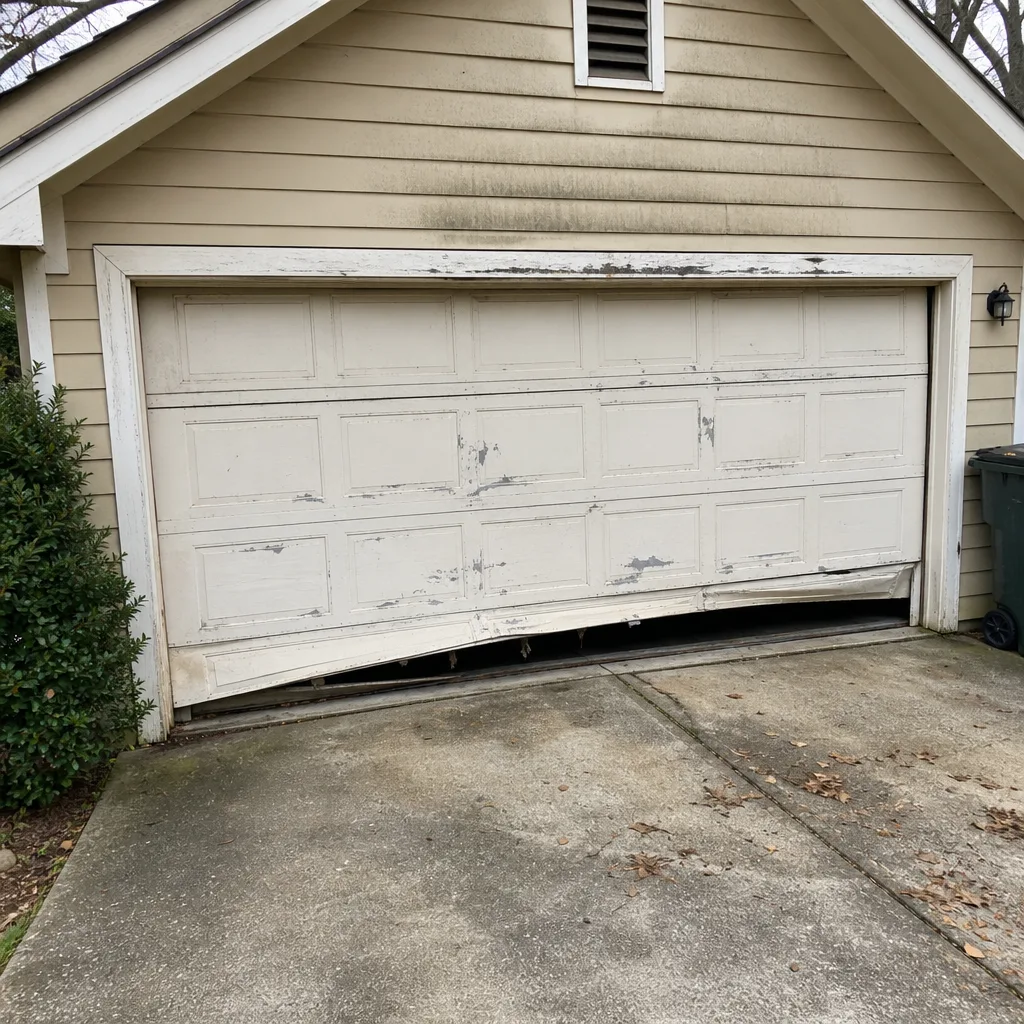 Before
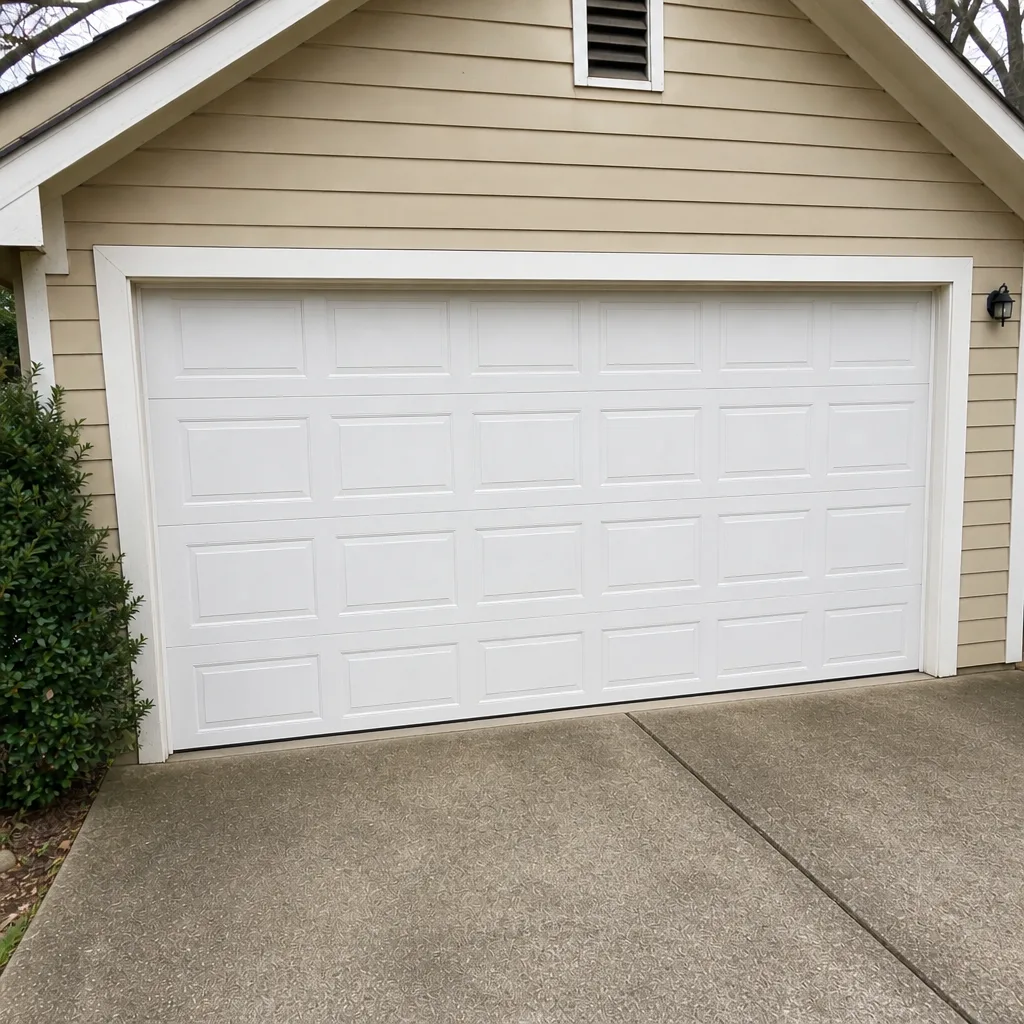 After
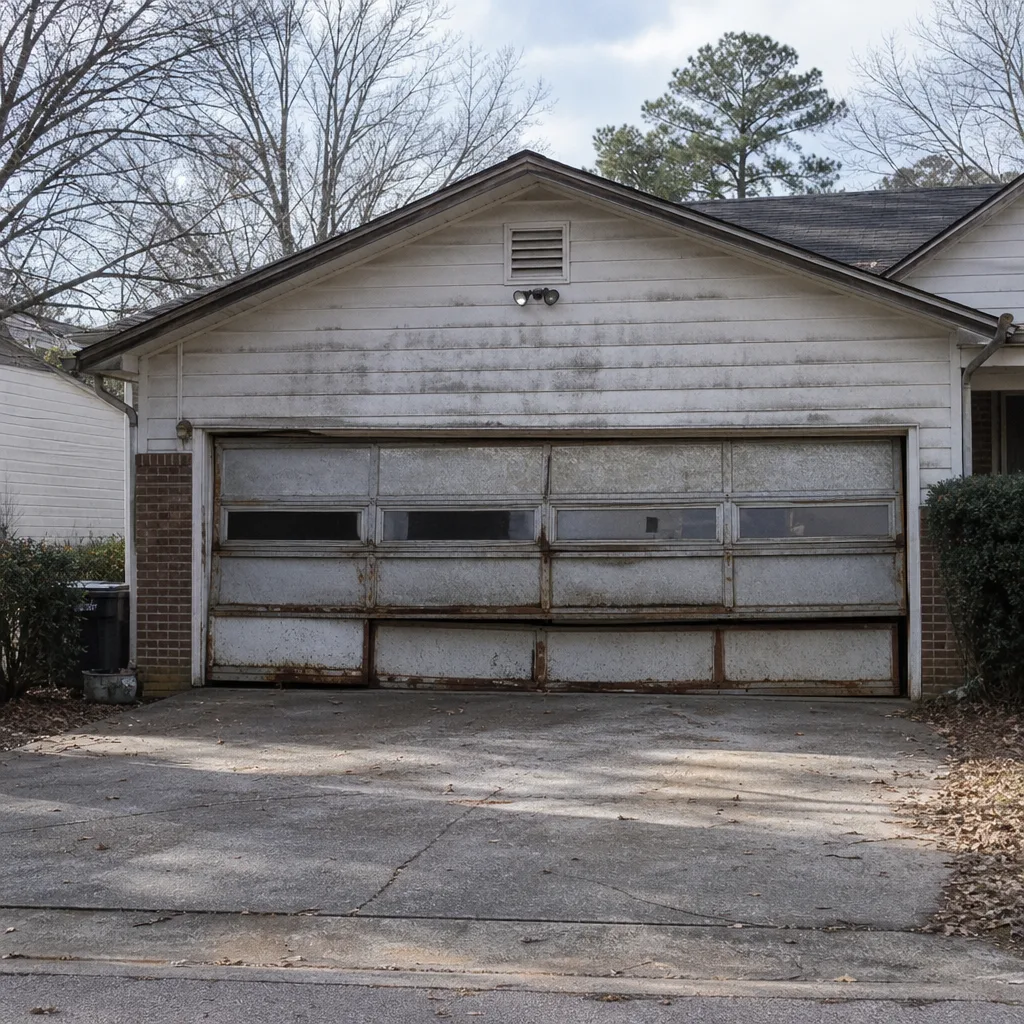 Before
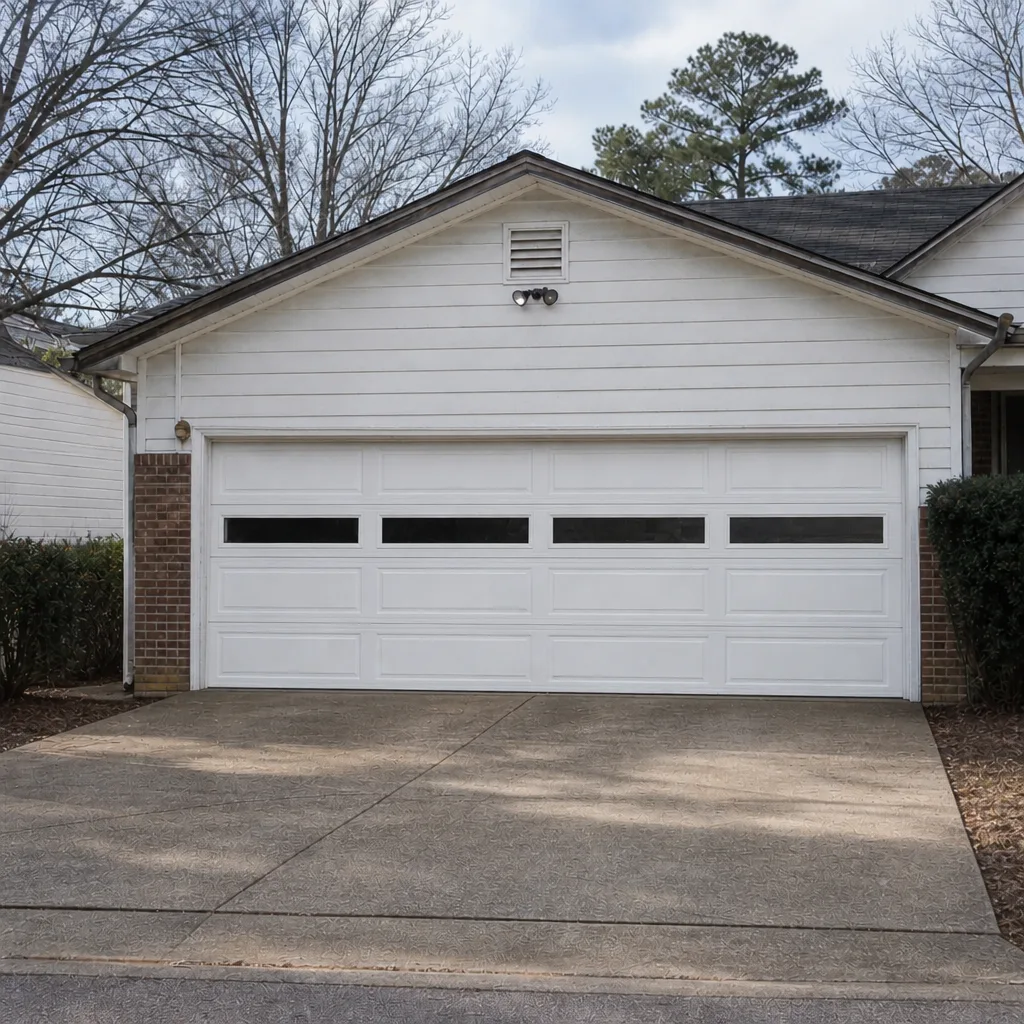 After
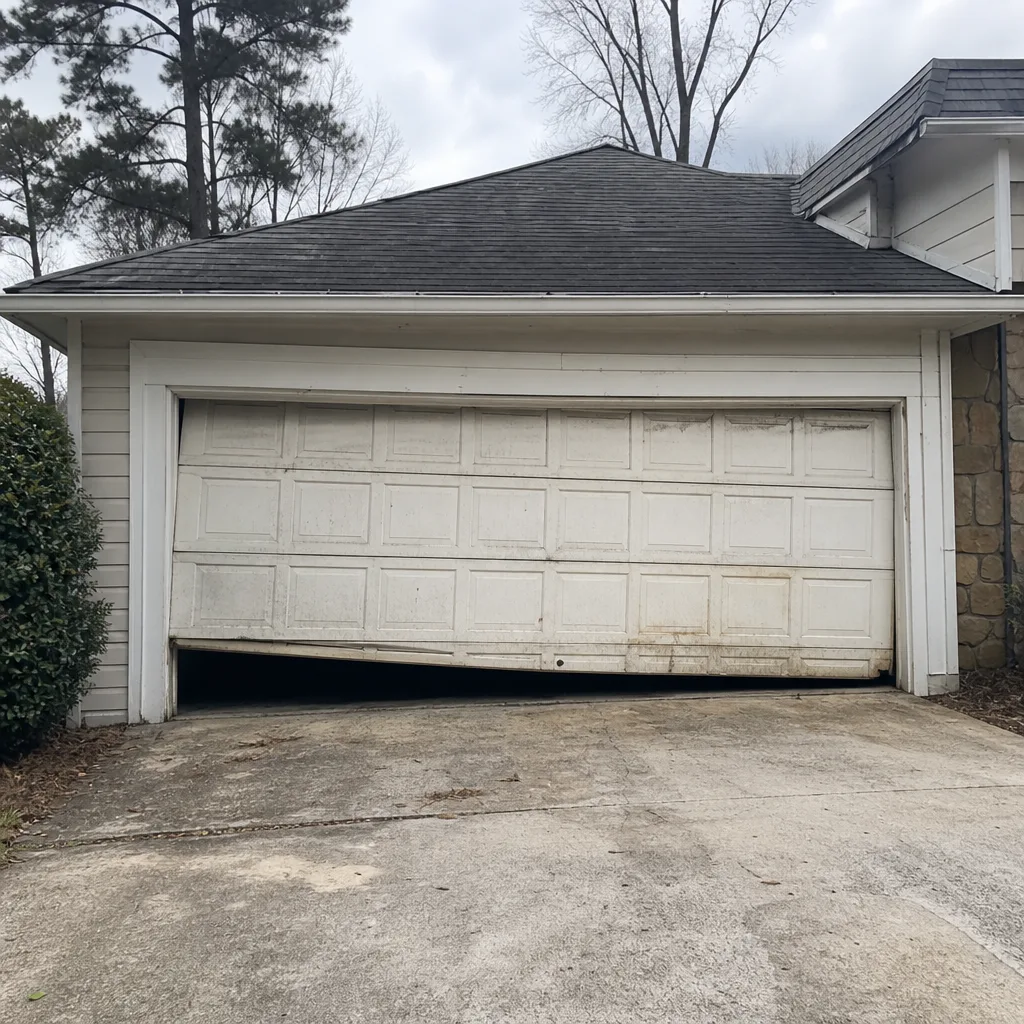 Before
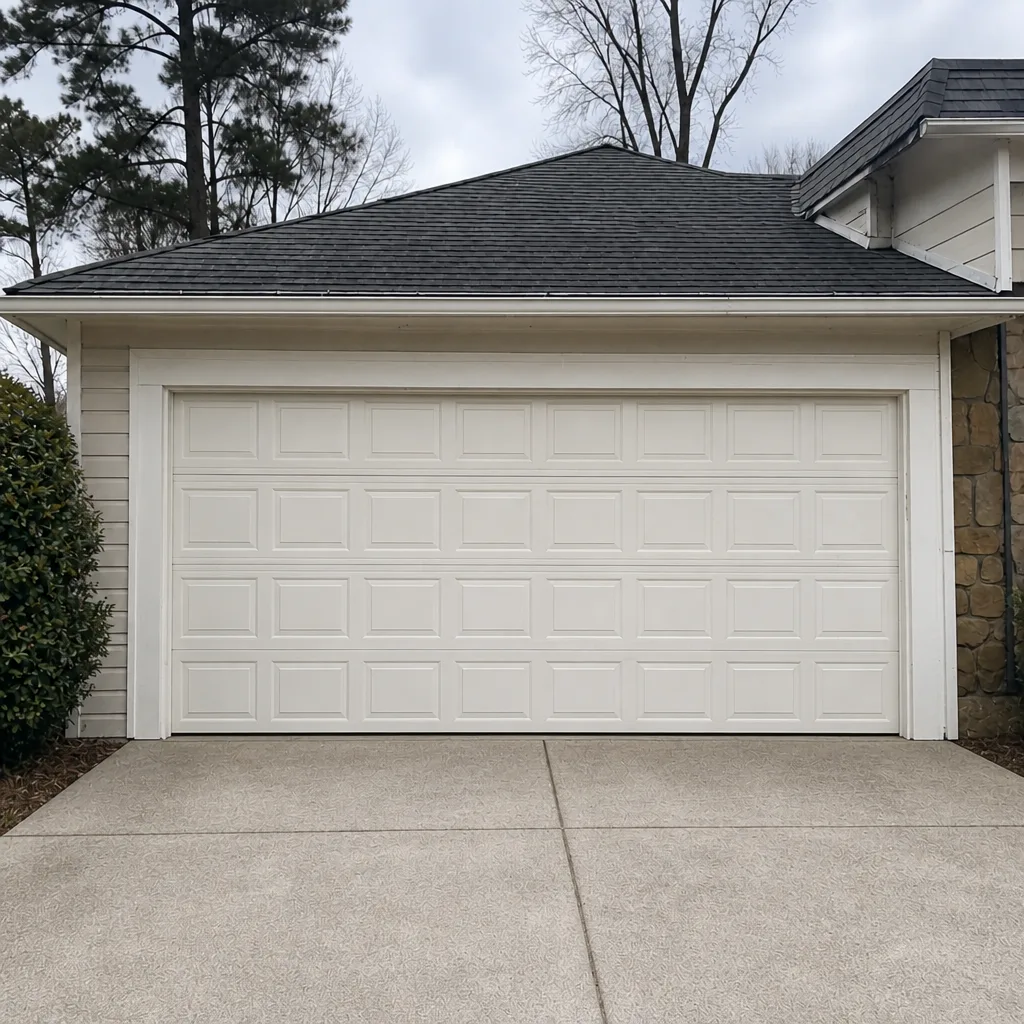 After
Common Mistakes to Avoid
- Buying on brand name alone. Brand reputation is a weak signal. The gauge, joint sealing and finish on the actual door tell you more than the logo. Two doors from the same brand can differ widely on specs.
- Trusting the warranty without reading it. A lifetime panel warranty that excludes labor isn’t the protection it sounds like. Read which parts are covered and for how long on each, and ask about the color-match process if a replacement ever happens.
- Skipping the attached-versus-detached question. Insulation that’s essential on an attached conditioned garage is wasted money on a detached shed. Decide your situation before you shop.
- Ignoring local parts availability. A brand with deep Atlanta-area distribution can be repaired fast; an obscure brand may mean long lead times when something breaks. Ask about parts before you commit.
- Assuming premium automatically lasts longer. Premium buys style and comfort. A mid-tier door with stronger specs can outlast a premium door with a thinner finish in Stonecrest’s humid summers.
- Overlooking the opener match. A heavier insulated door needs an opener rated for the weight. Mismatched equipment shows up as premature wear, not an obvious failure, so buyers don’t catch it until it’s costly.
- Not planning for the pollen and grit season. Tracks collect pollen and grit through the warm months. Doors that already need lubrication and roller attention get noisier faster in Stonecrest; plan a simple maintenance check each spring.
When to Call a Professional
Some questions are best answered on site. If your door is out of balance, grinding, or not closing flush, a professional assessment will tell you whether the door needs a repair, an adjustment or replacement, and that’s cheaper than guessing wrong on a big purchase. If you’re planning a replacement and want a specific brand compared side by side, we can read the spec sheets with you before you buy. Spring, cable and opener work is best left to trained technicians: a torsion spring under load can cause serious injury if handled without the right tools and training. Stonecrest Garage Door Repair offers free estimates in Stonecrest. Call (877) 792-7296. We answer 24/7, and fast dispatch from 7am to 7pm. There’s no charge for the estimate, and the written price is agreed before any work starts.
Frequently Asked Questions
There isn’t one best brand for every home. For most attached garages in Stonecrest, a mid-tier insulated steel door from Clopay or Amarr with solid steel gauge, sealed joints and a factory-baked finish performs best over time. The brands are worth knowing, but the specs behind the name are what predict how long the door lasts in this climate. Call (877) 792-7296 to talk through your specific garage – estimates are free.
Usually not in the way you’d expect. A lifetime warranty on a budget steel door typically covers replacement panels, not labor, and the color match on a replacement panel after several Georgia summers is rarely exact. Read which parts are covered and for how long, and ask about the labor side before you buy. If the coverage is unclear, call (877) 792-7296 and we’ll help you read the fine print.
Brand tier matters less than the specs and the size of the door. A mid-tier insulated door with strong gauge and finish often costs less than a premium door with style upgrades and gives you better longevity per dollar. The written estimate sets the final price, and we quote before any work starts. Call (877) 792-7296 for a free estimate on your specific door.
No. Doors and openers are separate systems, and any compatible opener can drive any door as long as the weight rating matches. The more important match is between the door’s weight and the opener’s lift capacity. We work on both sides of that equation, so if you’re not sure your opener is rated for a new door, call (877) 792-7296 and we’ll check it.
Attached means the garage shares a wall with living space; detached means it’s a separate structure. Attached garages benefit most from insulation because the garage’s temperature affects the house, and in a humid Stonecrest summer an uninsulated door can sweat and drip. Detached garages care less about R-value and more about sealing. If you’re unsure whether insulation is worth it for your setup, call (877) 792-7296.
We work with LiftMaster, Chamberlain, Genie, Clopay, Amarr, Wayne Dalton, Craftsman and Raynor. If your door or opener carries one of those brands, we’re familiar with its quirks and service requirements. That brand range covers most of what’s actually installed in Stonecrest homes. If you’re not sure which brand you have, call (877) 792-7296 and we’ll help identify it.
The Bottom Line
Brand names are the last thing to compare, not the first. Start with the conditions a door faces in Stonecrest: humid summers, heat cycling, pollen season and the occasional freeze. Then judge doors on steel gauge on both faces, how the joints are sealed, and whether the finish is factory-baked over galvanized steel. Match tier to your garage: mid-tier for a standard attached garage, premium when you’re getting insulation or styling you’ll actually use. Check that the brand has real parts availability through Atlanta-area distributors, and put as much care into the installation plan as the door itself. When you’ve done all that, the brand choice is easy, because the specs have already told you most of the answer. If you want help reading the sheets before you buy, we’re here for that conversation.
Written by the team at Stonecrest Garage Door Repair.
Ready to Talk Through Your Options?
Whether you’re replacing a worn-out door or trying to decide between brands, the fastest way to get a straight answer is a free estimate. Stonecrest Garage Door Repair provides residential garage door repair, garage door opener repair, garage door spring repair, garage door installation and emergency garage door service, and we work with the eight major brands most Stonecrest homes actually have. Call (877) 792-7296. We answer 24/7. Fast dispatch from 7am to 7pm, Sunday through Friday. The estimate is free, and the written price is set before any work starts. You can also start with an overview of Stonecrest Garage Door Repair and what we cover.